“Es una empresa con un buen equipo, te resuelven cualquier duda que puedas tener y plantean buenas soluciones a los problemas que te pueda surgir. Muy recomendable.”
Cliente verificado

DEVELOPMENT GOVERNANCE
Almost every company has developers using coding agents, and almost none has a written rule about what they may do with them. The result is code nobody reviews, dependencies nobody approves and deployments that skip the pipeline.
A well-used coding agent multiplies a team's capacity: it writes tests, migrates components and solves repetitive tasks in minutes. The same agent without a lane produces code nobody understands, with new dependencies, misplaced secrets and an app that only runs on its author's laptop.
In a regulated company four questions need answers: what code enters the repository, who reviews it, where it runs and who owns it in production. If the agent works outside the company repository, none of them has an answer.
Banning Cursor or Claude Code does not work: the developer uses it anyway and now nobody knows. What works is giving the same agent with rules: corporate repository, mandatory review, separate environments and a person approving the production release.
THE CHALLENGE
Copilot, Cursor and terminal agents produce changes in minutes; the controls —who approves them, under which licence and to which target— lag behind.
Patches generated by an agent reaching production with nobody able to explain what they do or why that approach was chosen.
The agent reads the whole repository: if there are keys, customer data or third-party licensed code, it has read those too.
Without a record of which agent touched which file, an audit or an incident is investigated from memory and guesswork.
APPROACH
The goal is for the agent to work under the same rules as a person on the team: branch, review, tests and a known target.
We define what an agent may read, where it may write and which repositories and environments are off limits because they hold sensitive data.
A branch per change, mandatory review, automated tests and authorised merge: the agent proposes, a person decides.
Every commit and pull request records who requested it, which agent executed it and in which session, so history can be rebuilt when it matters.
Dependency, secret and insecure-pattern scanning on every integration, before the change reaches test or production.
DELIVERABLES
What you need for agents to be an advantage rather than an unmeasured source of risk.
A short, applicable document on which agents are used, with which permissions and how their output is reviewed.
Branch protection, mandatory reviewers and automated checks that no agent can skip.
Authorship and context metadata on every change, queryable when a decision must be explained months later.
Vulnerable dependencies, exposed secrets and insecure patterns found and closed, with evidence for each fix.
TRUST
We have applied change control and security review on enterprise projects since 2008, with offices in Barcelona and Madrid and remote collaboration across Spain, Europe, LATAM and the US. ENS-aligned practices and code ownership always with the client.
FAQ
Tell us what you need around govern coding agents. We will help you turn it into a clear, viable delivery plan.
Lo que dicen empresas que ya trabajan con nosotros
PROYECTOS DESTACADOS
 Development+8
Web / SaaS platform +5
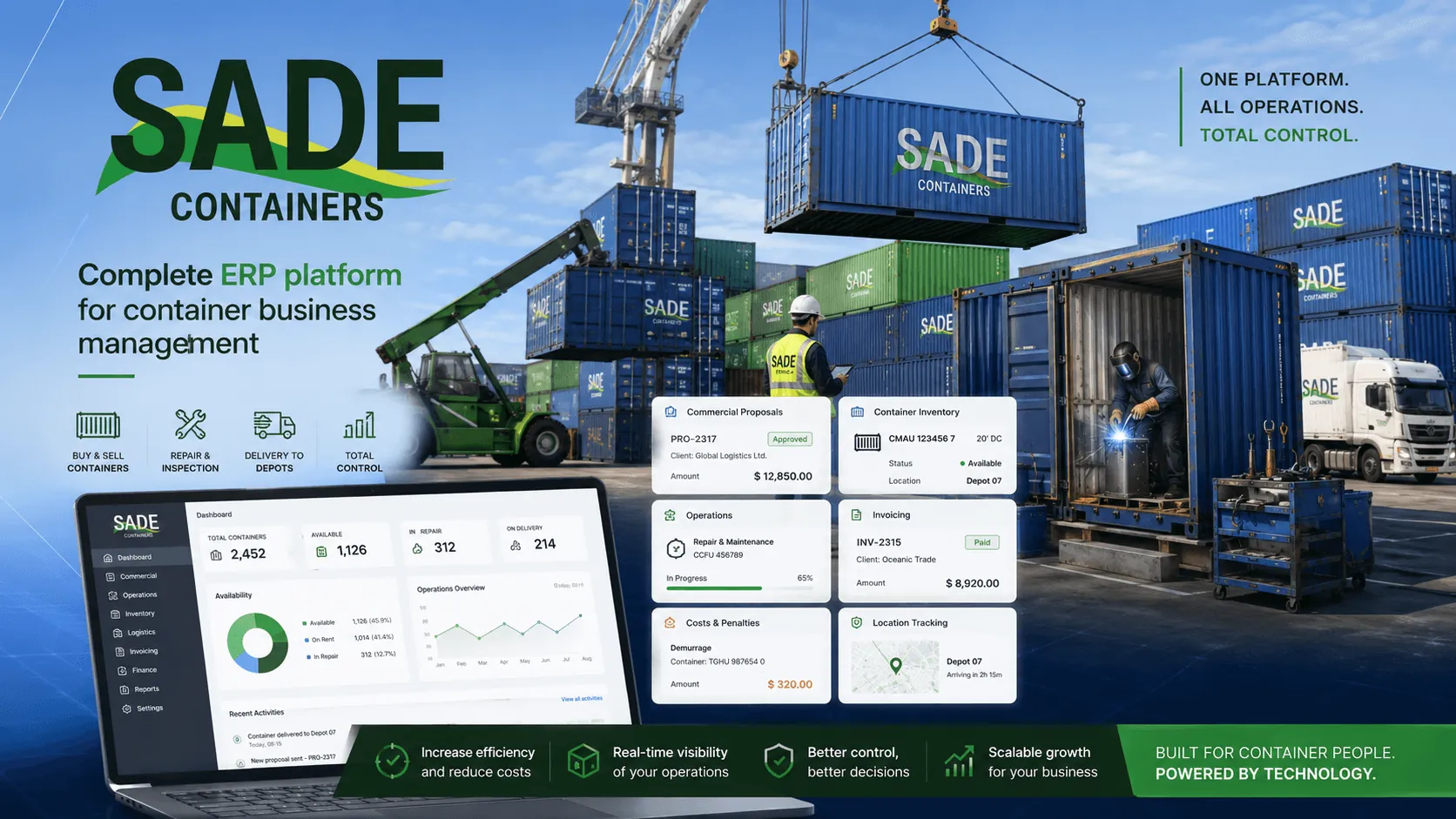
Industry · Logistics and transport
 Development+9
E-commerce / online store +8
Industry · Education and EdTech
 Development+11
Mobile App (iOS / Android) +10
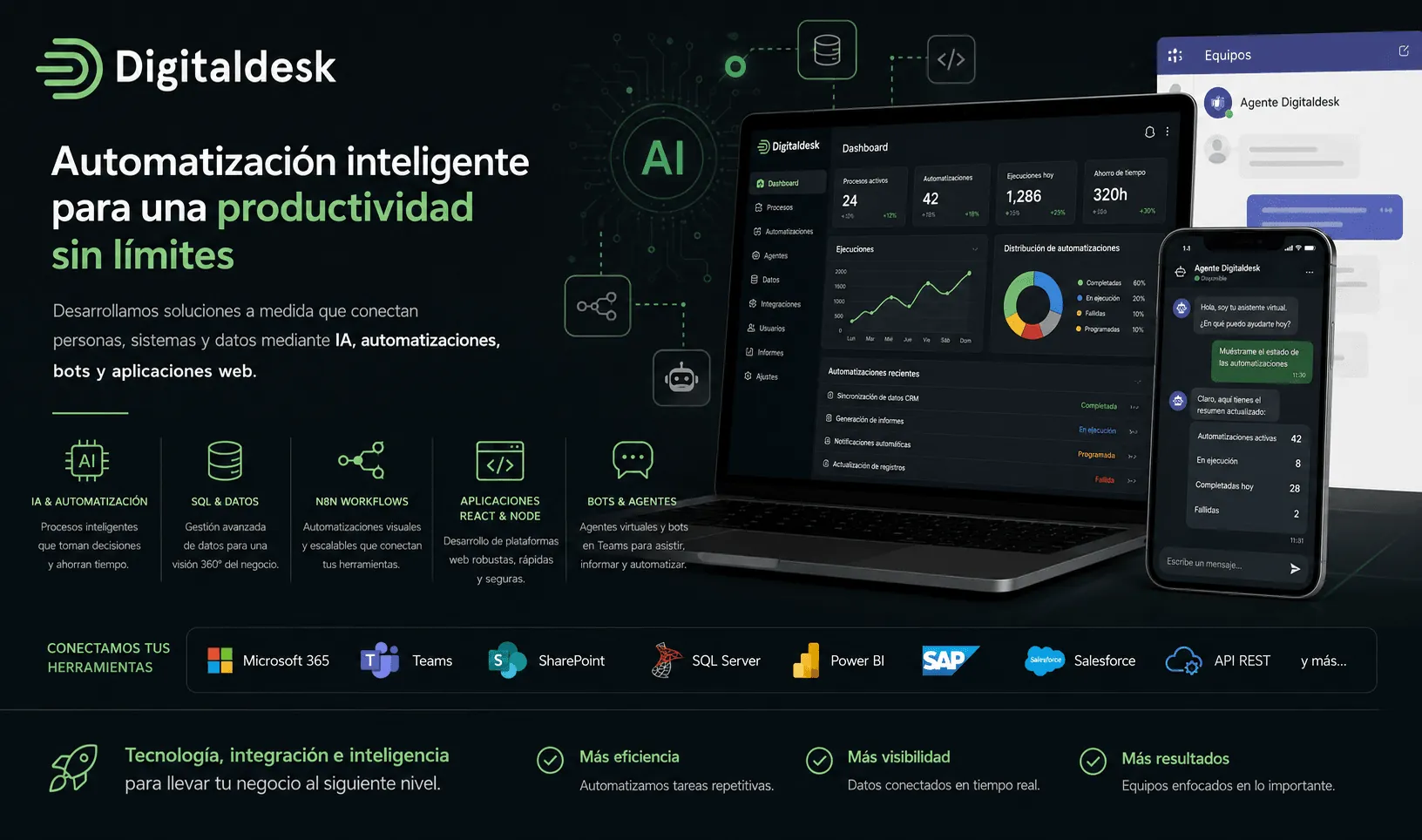
Industry · Professional Services