
Imagine this: training a single AI model costs more than building a skyscraper. The price of GPT-4? Around 169 million dollars. This is the reality of the current AI ecosystem, where only large corporations have access to the necessary computational resources. However, centralized AI is a fragile structure.
Costs are astronomical, leaving startups and researchers out. Scalability is an illusion, as computing demand grows faster than Moore's Law. Furthermore, reliance on centralized infrastructures creates single points of failure: an AWS outage can paralyze entire industries.
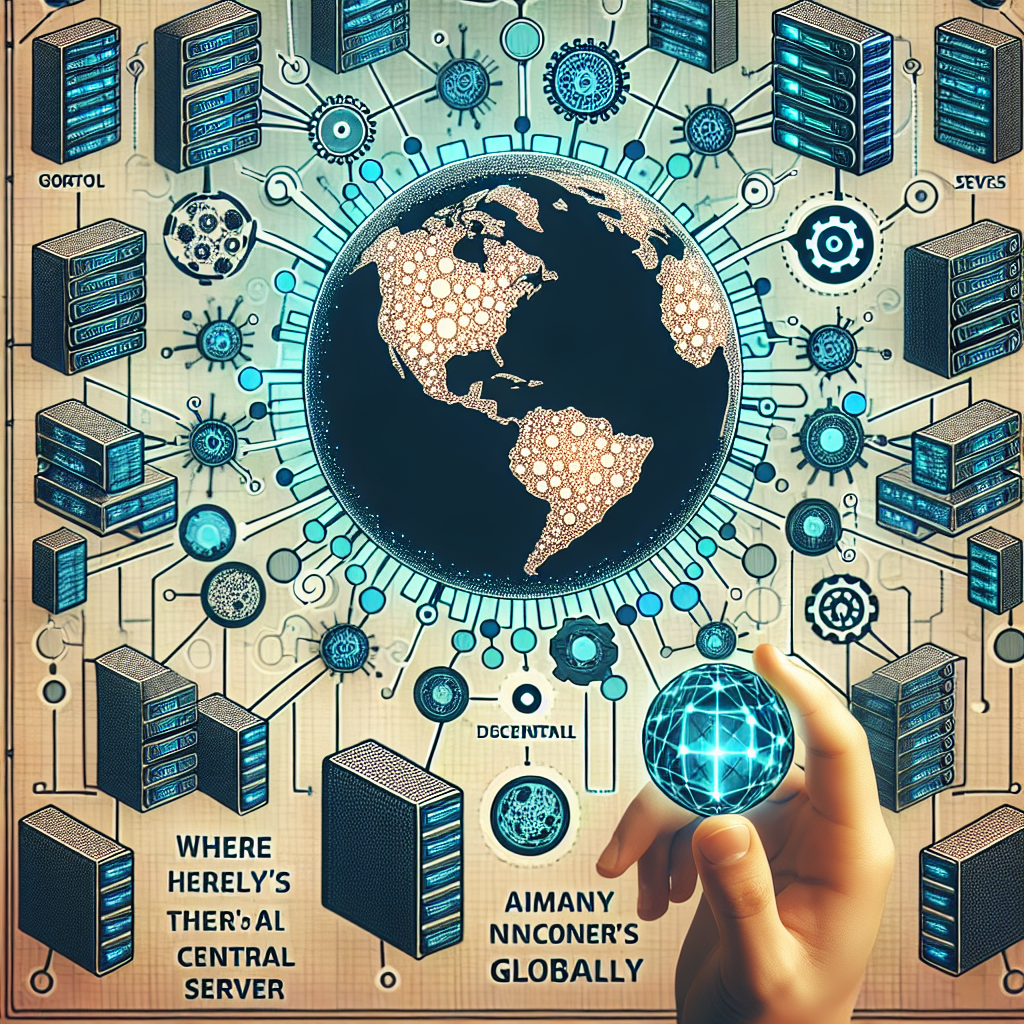
Decentralized platforms are challenging this model by redefining access to computing. By aggregating underutilized hardware, such as GPUs in gaming rigs or regional data centers, these systems create an efficient shared resource. For startups and developers, this is not just a matter of costs but of survival in a market where training models with budgets of hundreds of millions of dollars is unsustainable.
Decentralization unlocks the potential of AI. Technologies like blockchain allow computational resources to be distributed across a global network of nodes, reducing costs, improving scalability, and ensuring greater transparency. More companies have understood the importance of this shift and are adopting new strategies to democratize access to AI.
Every contribution in these systems is recorded on the blockchain, ensuring transparency and eliminating hidden biases in AI models. Additionally, tokenized incentives allow those who contribute computing power to be rewarded, creating a self-sustaining economy.
Decentralized models rely on incentives to sustain participation. Those who rent out their GPU capacity receive digital rewards, generating a circular ecosystem where resource providers can fund their own AI projects. Although some critics point out the risks of this commodification of computing, it reflects successful principles of the sharing economy.
Imagine a chatbot that analyzes smart contracts with full transparency or a decentralized financial platform powered by open infrastructure for everyone. This is not science fiction; it is a reality. It is estimated that by 2025, 75% of enterprise data will be processed at the edge (edge computing), representing a unique opportunity for decentralized architectures. For example, a manufacturing company can use decentralized nodes to monitor defects on its assembly lines in real time without relying on external clouds.
The AI revolution is not just about building more advanced models, but about deciding who controls them. Decentralization is not a passing trend, but the answer to the concentration of power in a few hands.
At Q2BSTUDIO, we understand the importance of these transformations and work on developing technological solutions that allow companies and entrepreneurs to adopt innovative technologies. We believe in a future where AI is at the service of everyone, without economic or technological barriers. Our commitment is to drive an ecosystem where artificial intelligence is accessible, scalable, and transparent for all.
The path forward is challenging, but the direction is clear: the future of AI is decentralized and inevitable.

