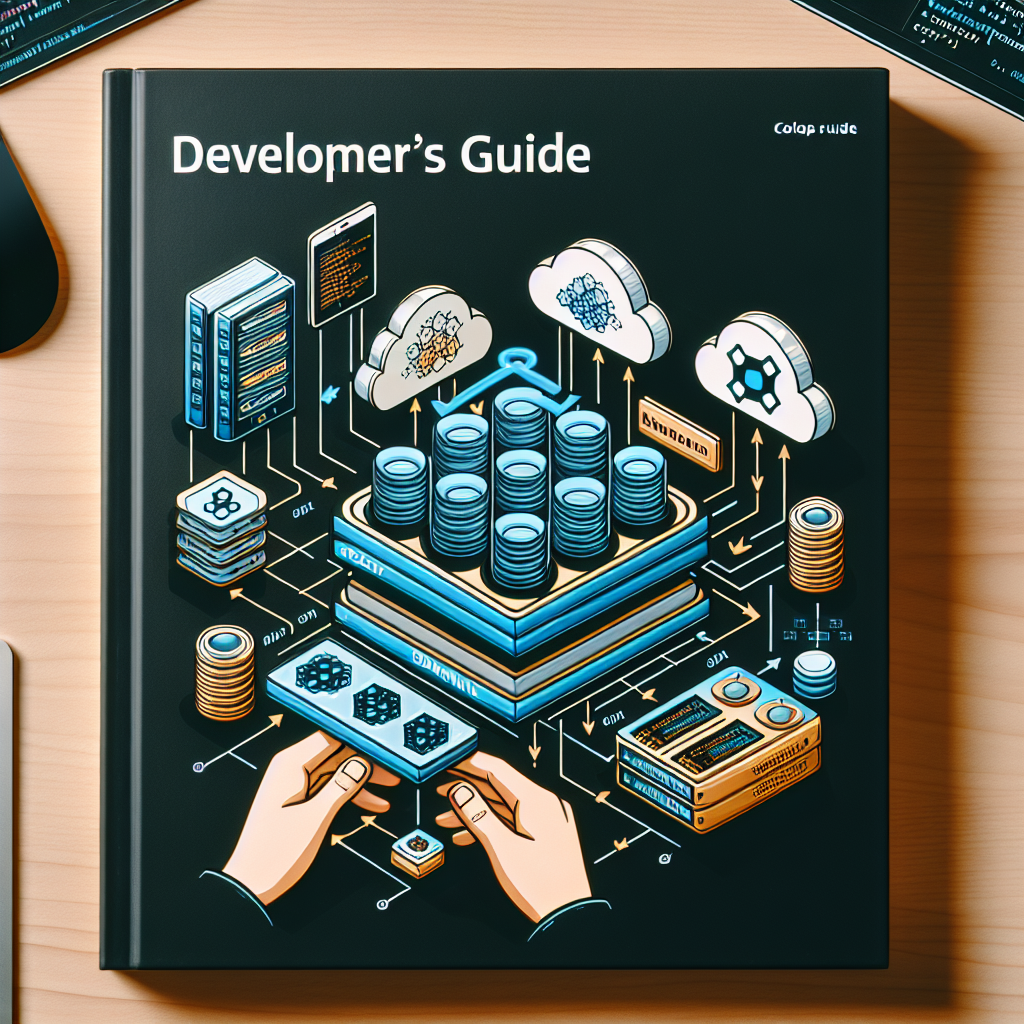
Developer's guide to integrating SeaTunnel and Hive with real-world configurations
Integrating Apache SeaTunnel with Apache Hive leverages the strengths of both projects to build efficient, scalable, and maintainable data processing pipelines. In this practical guide, we explain concepts, architecture, use cases, and real configuration recommendations designed for enterprise environments and modern data projects.
Why integrate SeaTunnel and Hive
SeaTunnel specializes in real-time and batch ingestion and transformation with production-ready connectors. Hive provides a structured, SQL-compatible data warehouse for enterprise analytics and queries. Together, they enable: massive and streaming ingestion, transformation and cleaning before storage, and analytical queries on Hive-managed tables. This combination is ideal for business intelligence solutions, ETL/ELT pipelines, and enterprise AI scenarios.
Recommended architecture
A common pattern includes ingestion points such as Kafka or cloud storage, SeaTunnel as the processing and transformation layer, and Hive on HDFS or metastore-compatible storage for querying and dimensional modeling. For cloud deployments, it is recommended to integrate AWS and Azure cloud services as preferred, using S3 or ADLS as the storage layer and maintaining a centralized metastore for catalog consistency.
Key integration steps
1. Assess sources and destinations: Identify data origins and formats, for example Kafka, relational databases, Parquet or Avro files. Define external or managed tables in Hive based on retention and governance
2. Design transformations: Use SeaTunnel for cleaning, normalization, enrichment, and proper partitioning before writing to Hive. Avoid overly expensive transformations that can be delegated to optimized queries in Hive
3. Schema management: Coordinate schema changes with the Hive metastore. Adopt columnar data formats when query performance is needed, for example Parquet or ORC
4. Performance tuning: Fine-tune SeaTunnel parallelism, output file size, and partitioning in Hive. Configure compaction and vectorized queries in Hive to accelerate BI and analytical workloads with Power BI
5. Security and compliance: Integrate access control at the metastore level, encryption at rest and in transit, and auditing. This aligns with cybersecurity practices we recommend in enterprise projects
Real-world configurations and practical recommendations
SeaTunnel to Hive input connector: Use official connectors and validate version compatibility. For batch loads, write to Parquet files and create external tables in Hive. For streaming, emit microbatches with checkpoints and control the target file size to avoid too many small files
Hive optimization: Define partitions by high-cardinality columns when necessary and use efficient compression. Enable ORC or Parquet with Snappy compression to balance space and CPU. Enable vectorized queries and use indexes or statistics when applicable to speed up Power BI and business intelligence dashboards
Monitoring and observability: Implement metrics and logs from SeaTunnel and export them to monitoring solutions. Set alerts on latency and deserialization errors. Measure impact on Hive queries and adjust configurations iteratively
Real-world use cases
Log and event ingestion: In telemetry scenarios, SeaTunnel consumes from Kafka, enriches events, and writes date-partitioned data to Hive for batch and near real-time analysis
Corporate data lake and reporting: SeaTunnel standardizes formats and validates quality before persisting to the data lake. Hive acts as a semantic layer for BI and Power BI teams
AI and model training: Massive preprocessing with SeaTunnel to generate labeled datasets stored in Hive and accessible to machine learning pipelines. Ideal for artificial intelligence initiatives and enterprise AI agents
Why choose Q2BSTUDIO
At Q2BSTUDIO, we are specialists in software development, custom applications, and advanced data solutions. We help companies design and implement pipelines that integrate SeaTunnel and Hive and deploy solutions on AWS and Azure cloud services. We offer custom software services, artificial intelligence, cybersecurity, business intelligence services, enterprise AI, and AI agents. We also customize Power BI integrations so business teams can quickly obtain actionable insights.
Services we provide
Data architecture consulting: Design and implementation of ETL and ELT pipelines: Integration and migration to AWS and Azure: Custom application development: Artificial intelligence and AI agent solutions: Cybersecurity and compliance services: Integration with Power BI and business intelligence platforms
Final best practices
Document schemas and data contracts: Automate integrity and regression testing: Prioritize security and governance: Implement observability from day one: Iterate based on performance and cost metrics
Conclusion
Integrating SeaTunnel with Hive is a powerful strategy for building modern pipelines that support analytics, BI, and AI workloads in production. With the support of an expert partner like Q2BSTUDIO, implementation risk is reduced and business value is accelerated through custom software solutions, artificial intelligence, cybersecurity, and AWS and Azure cloud services tailored to each case.