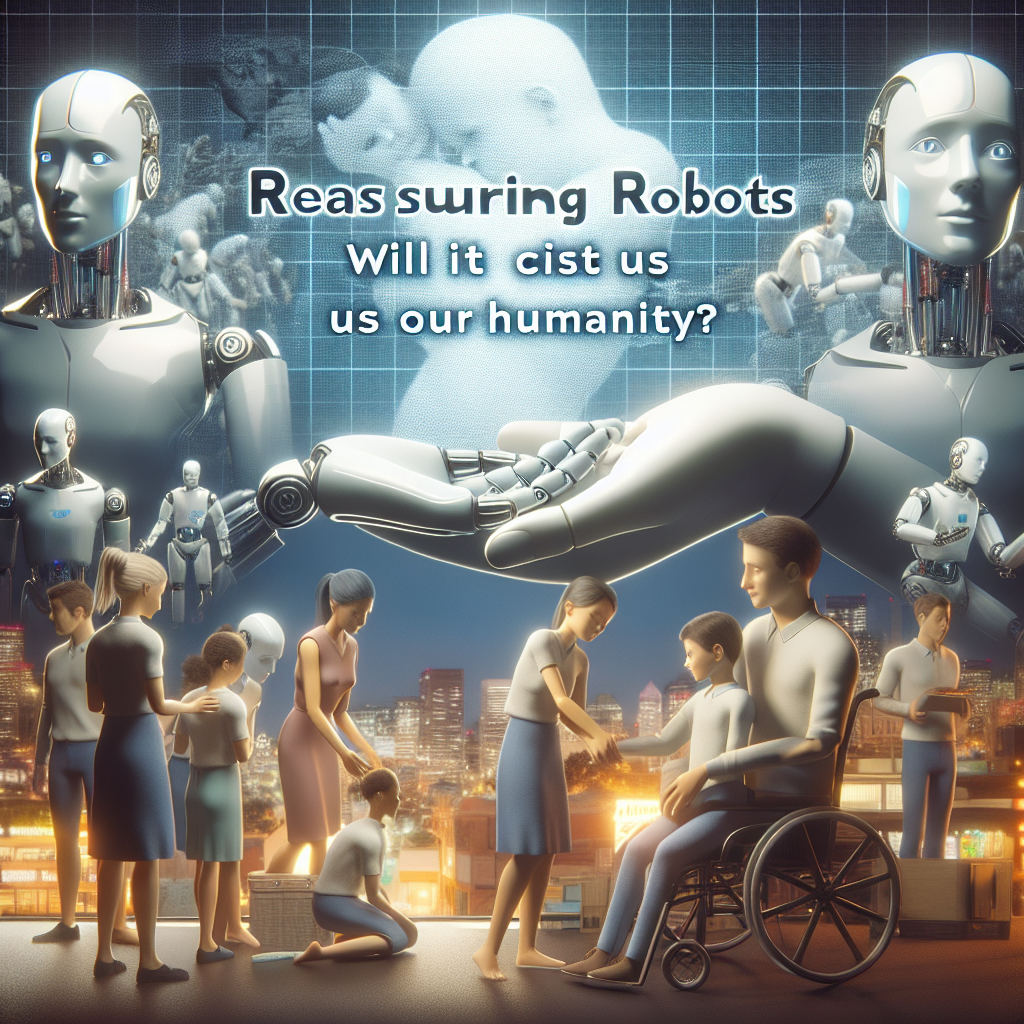
Robots that comfort us could cost us our humanity: the idea of equipping machines with emotions sounds useful and appealing, but it brings real risks for human connection and the way we organize society.
In a world where artificial intelligence is progressing rapidly, many developers and companies are betting on affective agents capable of consoling, accompanying, and responding as if they had feelings. These solutions offer practical advantages in elderly care, initial therapeutic support, customer service, and training, but they can also foster emotional dependence, isolation, and the replacement of genuine human bonds.
The benefits of integrating AI agents into everyday services are evident: greater availability, data-driven personalization, and reduced operating costs. However, when interactions are designed to imitate emotions without honesty or human context, there is a danger that people will give up seeking real human companionship. This is especially delicate in vulnerable scenarios such as mental health care or companionship for the elderly.
From a technical and business perspective, custom application solutions and custom software can incorporate AI agents to automate tasks and improve experiences. Responsible companies must prioritize transparency, informed consent, and clear boundaries between automated assistance and human care. Q2BSTUDIO, as a custom software and application development company, works precisely on designing artificial intelligence solutions that empower organizations without replacing human empathy. Our artificial intelligence specialists and enterprise AI experts create AI agents with human control and traceability.
Trust also demands security. The exposure of sensitive data derived from conversations with robots that appear to have emotions makes investing in cybersecurity essential. Q2BSTUDIO offers cybersecurity services integrated with AWS and Azure cloud services to protect platforms and ensure interactions remain private and auditable. Secure architectures and encryption are indispensable when technology manages emotionally sensitive information.
Additionally, business intelligence and analytics with tools such as Power BI allow understanding the real impact of implementing AI agents on user experience and operational results. Business intelligence services help identify when a technological solution is improving business metrics without sacrificing human well-being. Q2BSTUDIO combines business intelligence consulting services with technical implementation to offer dashboards and actionable metrics that guide responsible decisions.
Ethical considerations call for regulation, standards, and good practices: human-centered design, human oversight mechanisms, usage limitations in sensitive clinical contexts, and clear labeling of when one is interacting with a machine. Companies that develop custom software have the responsibility to incorporate explainability and audits into their artificial intelligence models to avoid emotional manipulation and biases.
In practice, the best approach is complementary: using AI agents to amplify human capabilities and free up time for meaningful interactions between people. For example, automated assistants can manage administrative tasks and allow healthcare professionals to dedicate more time to in-person care. Q2BSTUDIO is committed to integrating AI agents that act as intelligent assistants, keeping humans in the decision-making loop and promoting collaboration between technology and professionals.
If your organization seeks to implement intelligent solutions without sacrificing human connection, Q2BSTUDIO offers custom solution development: custom applications, custom software, artificial intelligence integration, AI agents for businesses, AWS and Azure cloud services, cybersecurity consulting, and business intelligence services with Power BI. Our approach combines technical rigor, ethics, and user-centered design so that technology improves life without eroding humanity.
In summary, comforting robots can be a valuable tool if designed with limits, oversight, and ethical principles. The dangerous alternative is allowing the simulation of emotions to replace real relationships and social responsibility. Technology and humanity should not be enemies: with good practices, custom applications, and a robust security strategy, it is possible to harness artificial intelligence to support, not replace, what makes us human.