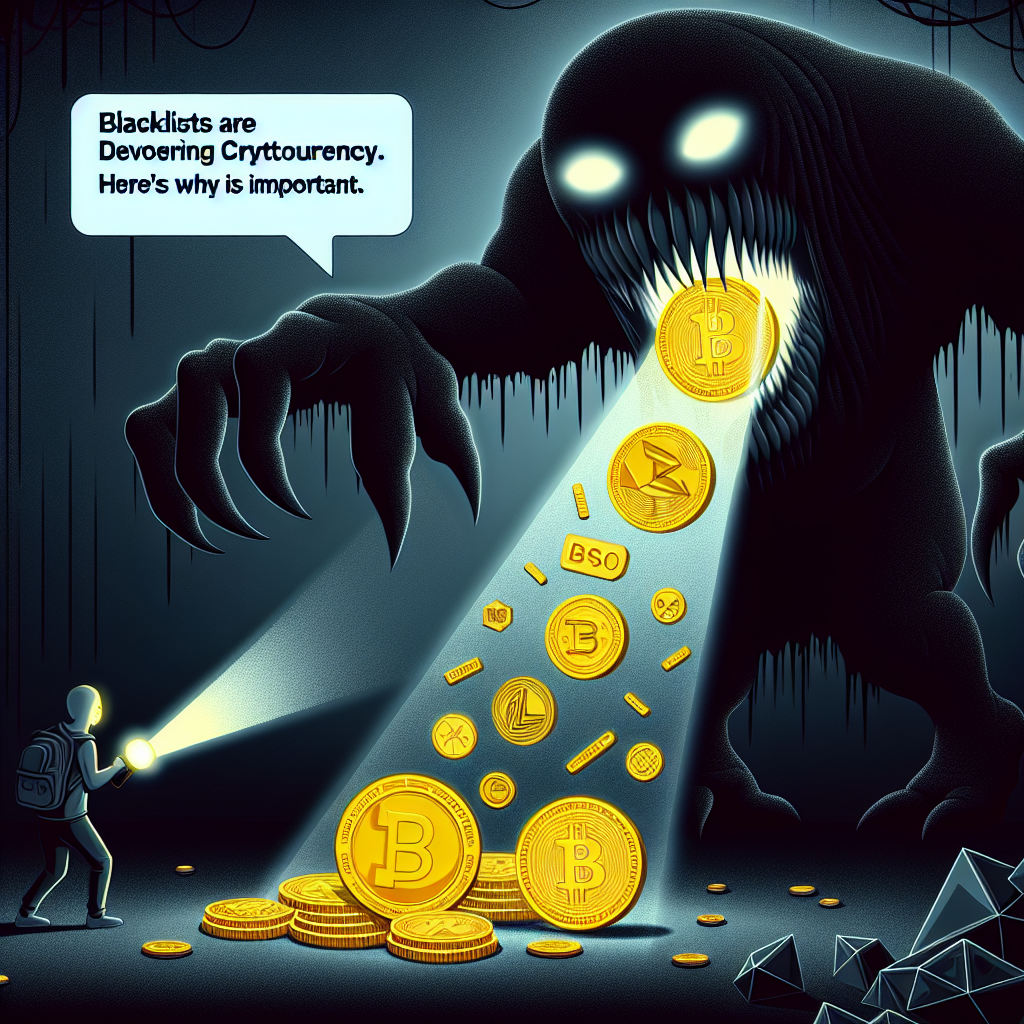
Blacklists are devouring the cryptoeconomy: why it matters
In the world of cryptocurrencies, the term blacklist usually refers to lists of addresses, accounts, or smart contracts that are prohibited from sending, receiving, or interacting with tokens on centralized platforms. Governments and regulators use these lists to enforce financial laws and sanctions, but their use raises complex questions about privacy, freedom, and the decentralized essence of blockchain technology.
Blacklists can be applied at the exchange level, the smart contract level, or even directly to addresses on chains compatible with regulatory controls. On centralized platforms, implementation is more straightforward: blocking an account means cutting off its access to the market. On distributed networks like Ethereum, the situation is more delicate and often forces developers and validators to balance legal compliance with preserving an open, censorship-free ecosystem.
The effect is not only technical but also economic and social. Blacklists generate risks of financial censorship, expanded surveillance, and exclusion of users by mistake or due to political criteria. They also increase complexity for companies that want to operate in the crypto space: they must reconcile compliance, reputation, and the trust their clients expect from truly decentralized solutions.
Faced with these challenges, there are technical and organizational responses: smart contract audits, architectures that minimize centralized control points, privacy and traceability solutions compatible with regulations, and on-chain governance strategies that seek greater transparency. Additionally, monitoring and detection tools with artificial intelligence help identify suspicious activities without necessarily sacrificing the privacy of legitimate users.
At Q2BSTUDIO, we support companies and projects that need to navigate this complex terrain. We are a custom software and application development company specialized in creating tailor-made software, implementing artificial intelligence, and designing cybersecurity measures that balance compliance and privacy. We offer AWS and Azure cloud services that guarantee scalability and resilience, as well as business intelligence services and Power BI solutions to turn data into strategic decisions.
Our capabilities include developing AI agents and enterprise AI solutions that automate risk detection, analyze patterns in real time, and help manage regulatory requirements. We combine experience in custom software with advanced cybersecurity practices to protect digital assets and design infrastructures that reduce dependence on centralized blacklists when possible, or manage them safely and transparently when necessary.
If your organization needs to adapt its technological strategy to the new regulatory landscape, Q2BSTUDIO offers consulting and custom application development, integration with AWS and Azure cloud services, implementation of artificial intelligence, and business intelligence service solutions with Power BI. Contact our team to design an architecture that protects your operations, maximizes the value of data, and minimizes the risks associated with blacklists in the crypto ecosystem.