En el mundo del trading, el término liquidez es ampliamente utilizado, aunque muchas veces malinterpretado. Se suele decir que la liquidez está relacionada con los stop-loss de los traders minoristas, pero en realidad, esta representa las órdenes limitadas que descansan en el mercado.
La liquidez puede observarse en los libros de órdenes, donde se muestran las órdenes de compra y venta limitadas. Sin embargo, no es posible ver órdenes stop-loss o precios de liquidación, ya que estas se ejecutan como órdenes de mercado. Muchos traders analizan el libro de órdenes y los heatmaps para tratar de identificar dónde se encuentra la oferta y la demanda en el mercado.
Si bien pueden encontrarse órdenes grandes que algunos ven como señales de soporte o resistencia, es importante cuestionar por qué alguien con una gran posición mostraría sus intenciones abiertamente. A menudo, estas grandes órdenes son usadas para crear una falsa sensación de oferta o demanda y pueden ser retiradas antes de ejecutarse, dejando a los traders más pequeños atrapados en el lado opuesto del mercado.
En el mercado de futuros tradicionales, la liquidez es visible y proviene de las órdenes limitadas colocadas en la profundidad del mercado. En forex y CFDs, al ser mercados over-the-counter, la liquidez proviene de proveedores especializados, lo que hace imposible visualizar con precisión la profundidad del mercado. En el caso de las criptomonedas, debido a la gran cantidad de herramientas disponibles, es posible ver cómo los libros de órdenes se inclinan hacia la compra o la venta, pero esto no siempre refleja de manera fidedigna la dinámica del mercado.
La liquidez también juega un papel clave en la volatilidad de los mercados. Por ejemplo, el S&P 500 (ES) y el Nasdaq 100 (NQ) son mercados correlacionados, pero debido a que ES tiene mayor liquidez que NQ, es menos volátil y requiere más esfuerzo para moverse en comparación con NQ. Los traders pueden elegir operar mercados más gruesos con menor volatilidad o mercados más delgados con mayor volatilidad, dependiendo de su estilo de trading.
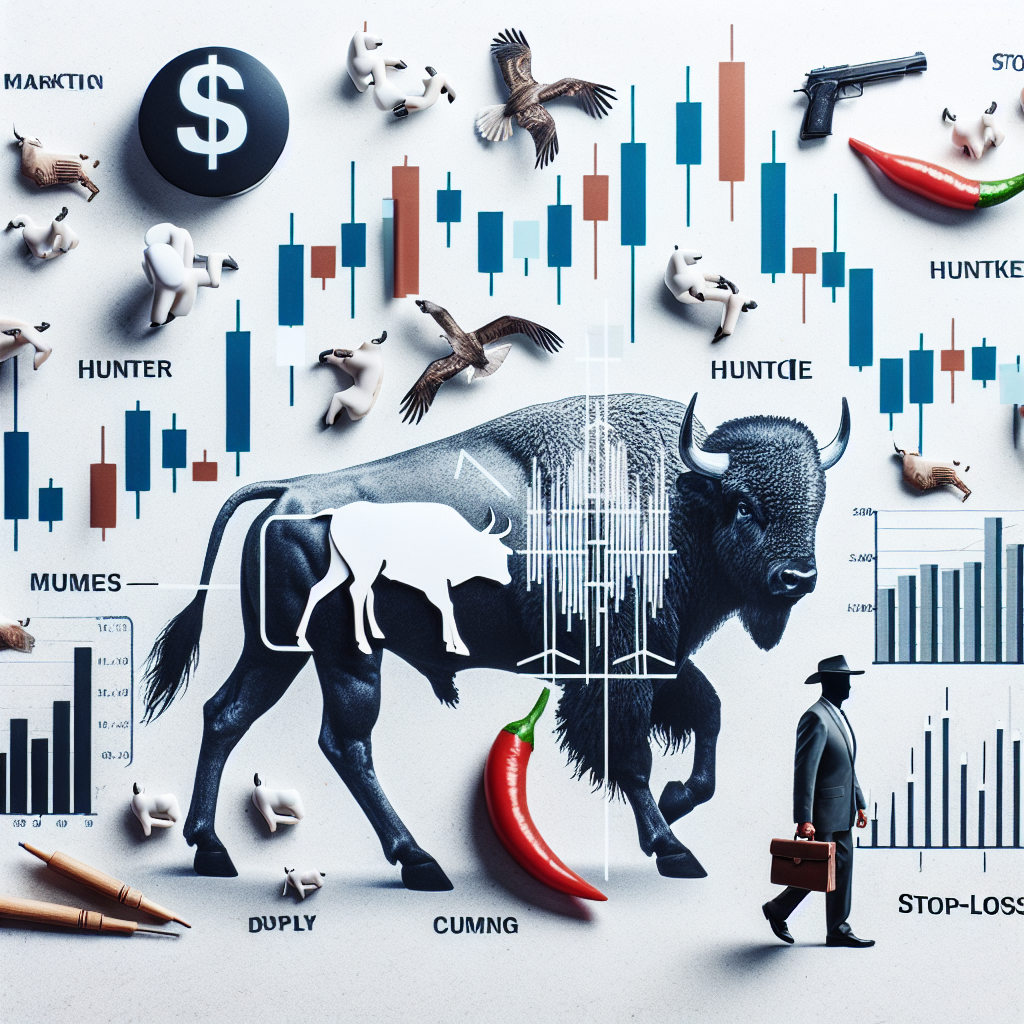
El concepto de piscinas de liquidez y los movimientos de precio relacionados con la 'caza de stops' son muy populares. Sin embargo, en realidad, los stop-loss no son visibles, por lo que esta idea puede ser más una estrategia de marketing que un principio fundamental del trading. Muchas veces, estos movimientos ocurren como parte natural del comportamiento del mercado, donde grandes traders buscan posicionarse antes de la siguiente dirección de la tendencia.
Existe la idea errónea de que los market makers persiguen los stop-loss de los traders minoristas. En realidad, los market makers operan con estrategias delta neutrales que buscan capturar el spread entre la oferta y la demanda, sin una exposición direccional en el mercado. Los movimientos bruscos que afectan los stop-loss no favorecen a los market makers, ya que estos buscan estabilidad y liquidez en el mercado, no movimientos abruptos.
En el entorno de las criptomonedas, donde la liquidez es menor, se vuelve más fácil la manipulación del mercado. Sin embargo, la idea de que alguien está persiguiendo una sola orden minorista es improbable. La manipulación del mercado ciertamente existe, pero generalmente ocurre a gran escala por instituciones con suficiente capital para influir en la oferta y la demanda.
Las liquidaciones en criptomonedas pueden observarse después de que ocurren, a través de cascadas de liquidaciones que provocan movimientos bruscos en el precio. Diferentes herramientas muestran niveles aproximados donde suceden estas liquidaciones, aunque realmente no es posible ver exactamente dónde se encuentran todas las órdenes. En estos casos, lo más inteligente es observar cómo se comporta el mercado ante estos eventos en lugar de tratar de predecirlos con anticipación.
En conclusión, aunque la liquidez es un concepto esencial en los mercados financieros, su interpretación a menudo se distorsiona dentro de la comunidad de trading. Para obtener ventaja en el mercado, más que enfocarse en términos de moda y conceptos ambiguos, es clave analizar el comportamiento del precio, el volumen y el flujo de órdenes de manera lógica y fundamentada.
En Q2BSTUDIO, ofrecemos soluciones tecnológicas avanzadas para ayudar a los traders y empresas del sector financiero a aprovechar mejor los datos del mercado. Nuestro equipo de desarrollo crea herramientas personalizadas que optimizan la gestión de órdenes, la visualización de datos de liquidez y la toma de decisiones estratégicas. Si buscas mejorar tus operaciones con tecnología de vanguardia, Q2BSTUDIO tiene la solución perfecta para ti.