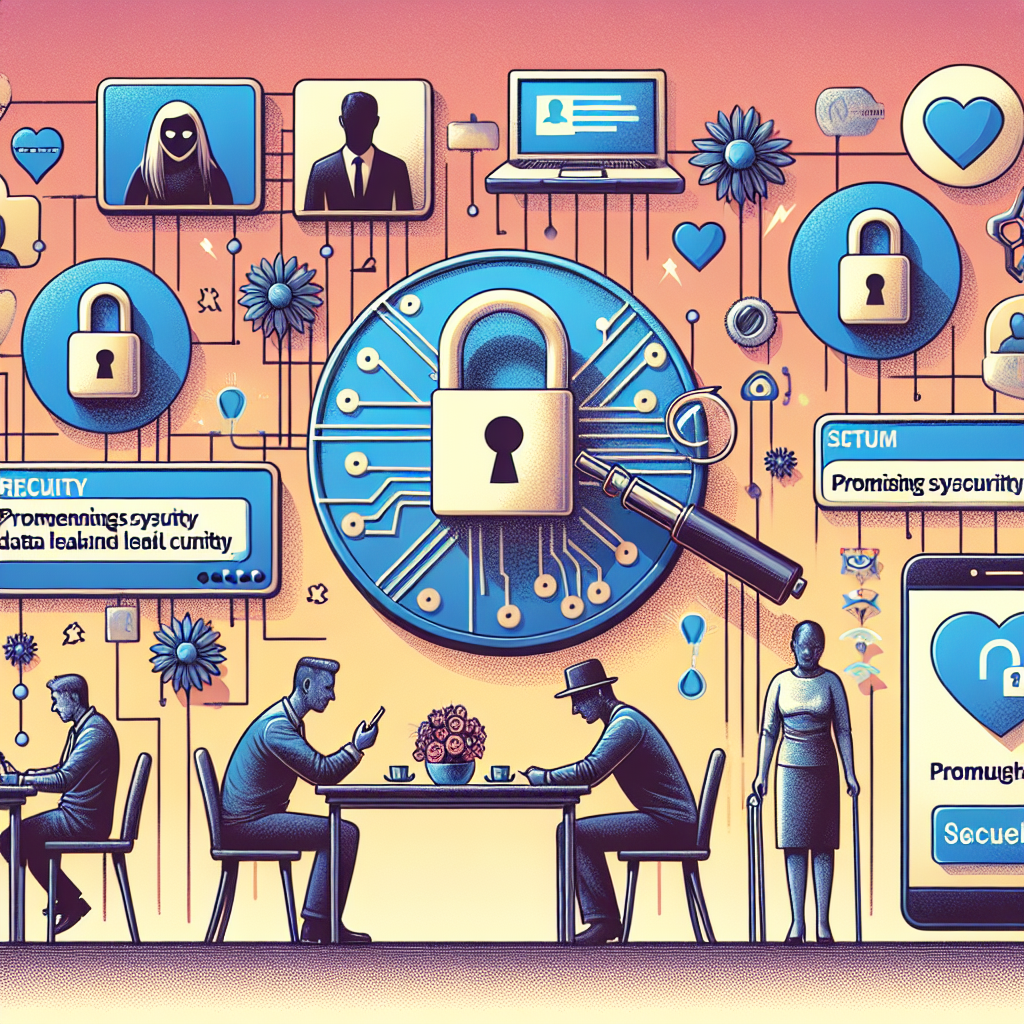
The hack of the dating app The Tea, designed to allow female users to rate men anonymously, has brought to light a darker side of digital gossip, dating, and cybersecurity. By leaking ratings, private conversations, and metadata, the incident reveals how ancestral social behaviors are amplified by technology and how those dynamics can turn into real harm when privacy fails.
The comparison with passive-aggressive novels like Dangerous Liaisons is disturbingly relevant: the power of insinuation, reputation, and manipulation intensifies when judgments are recorded and can be distributed in seconds. In the case of The Tea, the lack of robust controls and data minimization strategies turned rumors and ratings into material exploitable by attackers, creating risks of doxxing, blackmail, and professional or personal harm for innocent people.
From a technical perspective, the incident usually involves a combination of weaknesses: poor authentication, unencrypted databases, misconfigured APIs, and a lack of monitoring and incident response. But beyond the technical, the episode raises questions of digital ethics: who should be able to opine anonymously, how to balance freedom of expression with protection against defamation, and what responsibility platforms that facilitate the circulation of intimate or sensitive content have.
The result is not just a security breach; it could be the beginning of an era of cyber-gossip in which the viralization of ratings and gossip amplified by AI and cloud architectures generates systemic harm. To mitigate this risk, companies must adopt privacy-by-design principles, apply anonymization and tokenization techniques, and use governance models that include privacy audits, penetration testing, and bug bounty programs.
Q2BSTUDIO, a company specialized in custom software and application development, offers solutions that combine security and usability. As experts in custom software, artificial intelligence, and cybersecurity, we design secure architectures on AWS and Azure cloud services, implement least-privilege access policies, encrypt data at rest and in transit, and develop early detection mechanisms to prevent leaks. We also provide business intelligence and Power BI services to turn data into secure and responsible decisions.
For platforms that handle sensitive opinions, we propose concrete measures: apply multi-factor authentication and optional identity verification for high-impact actions, log registration and encryption, AI models for detecting abuse and misinformation adjusted with ethical criteria, and containers and network policies that reduce the attack surface. We also recommend privacy impact assessments and resilience testing against human errors and targeted attacks.
On the legal and organizational level, it is crucial to define clear moderation protocols, transparency about what is stored and for how long, and response procedures for deletion and remediation requests. The reputation of affected users recovers better with proactive policies than with late reactions, and trust is built with external audits and cybersecurity certifications.
Q2BSTUDIO integrates AI agent and enterprise AI capabilities to automate anomaly detection, vulnerability prioritization, and controlled automatic responses. We combine artificial intelligence solutions with AWS and Azure cloud services to scale protection and performance. Our business intelligence and Power BI services turn security telemetry into actionable dashboards that help teams make informed and rapid decisions.
The Tea hack is a warning: technology multiplies both the virtues and the dangers of social behavior. Platforms that facilitate anonymous interaction and public rating must be designed with robust cybersecurity and an ethical framework that protects people. If your project needs secure development, custom software, or consulting in artificial intelligence, AI agents, cybersecurity, and AWS and Azure cloud services, Q2BSTUDIO can help create products that balance innovation, privacy, and responsibility.
Contact Q2BSTUDIO to assess risks, design secure architectures, and deploy business intelligence and Power BI solutions that protect your business and your users while leveraging the potential of artificial intelligence and custom applications.