
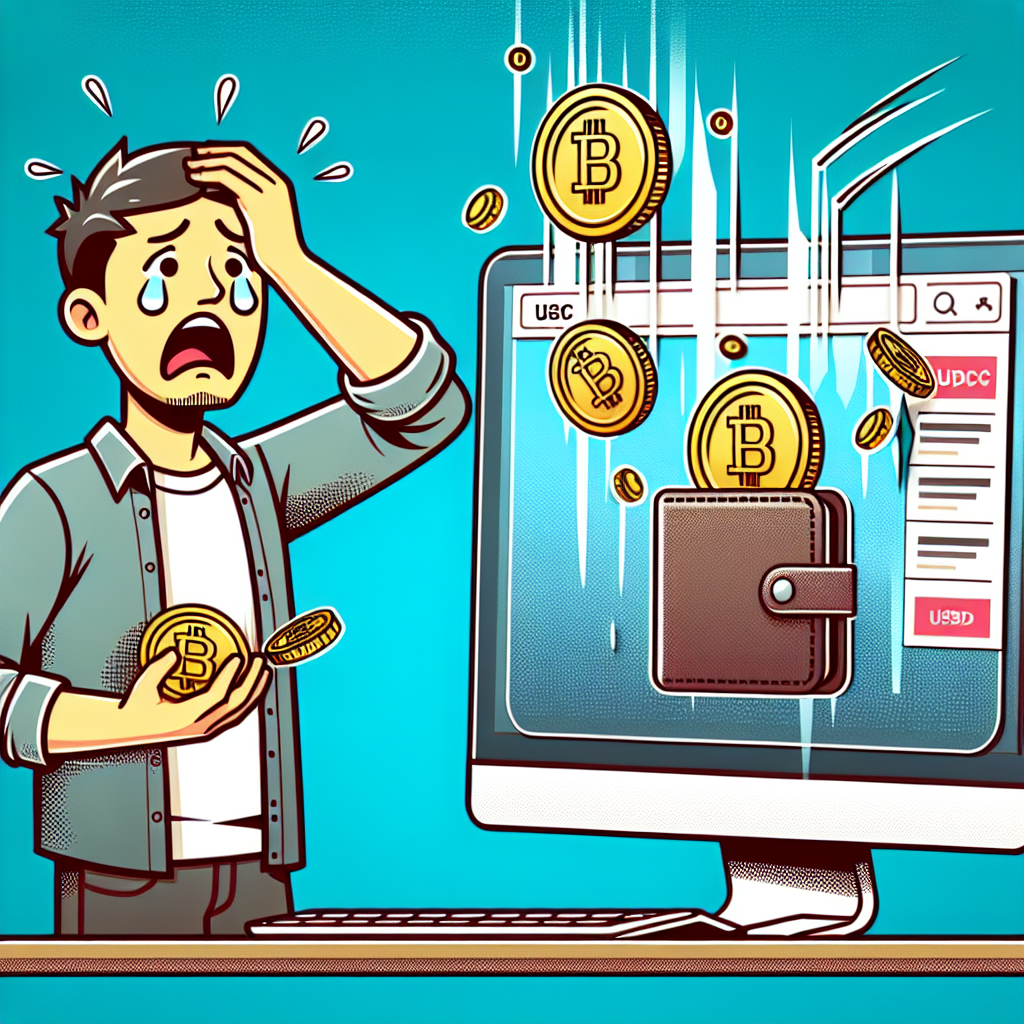
I lost cryptocurrency in an incident with my wallet and I want to share how it happened, what mistakes I made, and the security measures everyone should apply to avoid similar scams.
How the failure happened: I opened a phishing link that simulated a well-known platform, connected my wallet, and approved a transaction without reviewing the permissions. A malicious contract requested approval to move my USDC and I, trusting and in a hurry, accepted. The private key was indirectly exposed because I had used a browser extension that turned out to be compromised and because my device had outdated software without adequate protection.
Mistakes I made: I used a hot wallet for funds that should have been in cold storage, accepted mass approvals without checking the recipient or the maximum spend, reused passwords, and did not use multi-factor authentication on critical services. I also trusted a link received by message, did not validate the URL, and did not test with a small transaction before operating with larger amounts.
Key lessons and immediate security steps: never enter your recovery phrase on a website, do not share private keys or seed phrases, use hardware wallets to store significant assets, and enable multi-factor authentication on all accounts. Review and revoke contract permissions on platforms like Etherscan or revocation tools and audit token approvals regularly.
Advanced best practices: set up multi-signature wallets for high-value operations, segment assets across addresses to limit risks, use additional passphrases on hardware wallets to add a layer of protection, perform small test transactions, and keep dedicated devices for crypto management without installing unnecessary software.
Technical protection measures: keep the operating system and extensions updated, use a robust password manager, employ antivirus solutions, and review RPC connections to avoid malicious nodes. Avoid public WiFi networks for sensitive operations and consider using a VPN and isolated environments for signing transactions.
Tools and post-incident actions: revoke contract permissions, change passwords and keys on related services, report the scam to platforms and the community, and, when possible, track fund movements to facilitate investigations. For organizations, implement incident response protocols and periodic audits of smart contracts and wallets.
How Q2BSTUDIO can help: at Q2BSTUDIO we are a software and custom application development company specializing in artificial intelligence and cybersecurity. We can design secure and personalized solutions such as secure wallets, multi-factor authentication systems, AI agents for fraud detection, and smart contract auditing services. We also offer AWS and Azure cloud services, business intelligence services, and AI consulting for companies to strengthen security and data-driven decision-making.
Specific services we offer: custom application development and custom software with integrated security practices, implementation of AI agents to monitor suspicious transactions, Power BI integrations for business intelligence reports, and secure deployments on AWS and Azure cloud services. Additionally, we perform penetration testing, risk assessments, and cybersecurity training for technical teams and users.
Final recommendations for users and companies: treat private keys as the most sensitive asset, segment functions and access, automate controls with artificial intelligence tools to detect anomalies, and have offline backups of recovery phrases. For companies handling crypto or sensitive data, implement security policies, AI agents for continuous monitoring, and Power BI dashboards for operational visibility.
If you want to avoid the mistake that cost me my USDC, consider a security audit and a tailored protection plan. At Q2BSTUDIO we are ready to help with cybersecurity solutions, custom application development, artificial intelligence integration, AWS and Azure cloud services, business intelligence services, AI for companies, AI agents, and Power BI visualization. Contact us to design a strategy that protects your digital assets and improves your business resilience.

