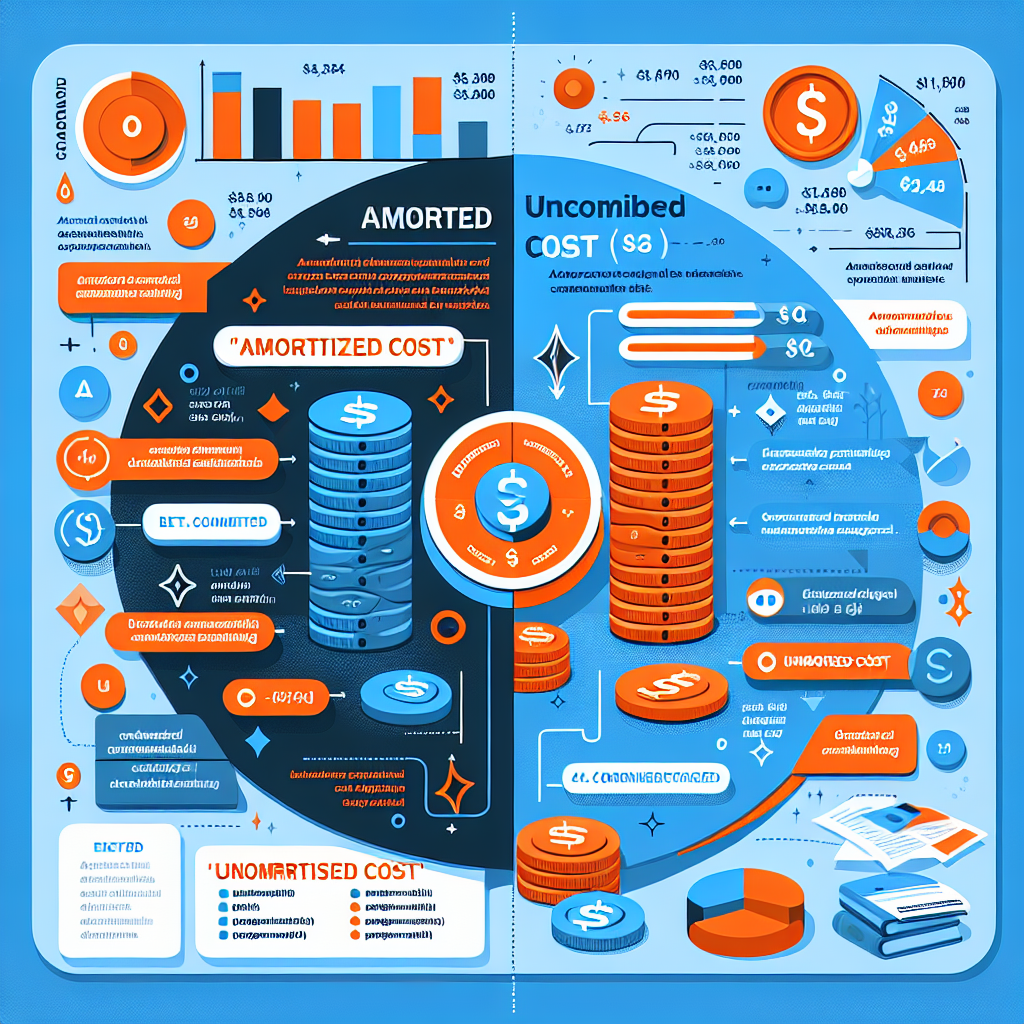
When analyzing cloud costs within the Understand usage and cost domain, it is common to encounter complexities such as poor data quality, missing resource tags, or disorganized billable accounts. A recurring and not-so-obvious confusion relates to cost categories and can lead to discrepancies between what cost explorers show in the consoles and the final figure on the month-end invoice. The main reason is usually the type of cost selected for the analyses, which is why understanding the differences is key.
- Amortized cost
Amortized cost reflects the effective cost distributed across the billing period and incorporates the amortization of reservations, discounts, and savings plans. It shows the real cost of consumption after applying discounts, allowing you to see the net daily spend considering those discounts. It answers the question: How much have we been spending daily, considering discounts?
This approach is essential if you want to measure the coverage percentage of savings plans, reserved instances, or any commitment that reduces cost over time. For budget analysis, forecasting, and commitment optimization, this is the recommended metric.
- Unblended cost
Unblended cost is related to gross costs without applying the amortization of reservations or discounts. It represents the on-demand usage rate at the exact moment a service is consumed and answers the question: How much does my actual usage cost me in a specific period or at a specific time?
If you need to know the point-in-time usage cost on a specific day or audit per-event charges, this is the cost type you should consider.
Practical tips for reconciliation and analysis: make sure you select the same cost type your provider uses on the invoice, review the cost explorer configuration, document whether your reports use amortization or not, and fix common issues such as missing tags, poorly grouped accounts, or incomplete billing periods.
Other categories such as net cost require deeper treatment, which we will review in another article, but it is important to know that each category serves a different analytical need.
At Q2BSTUDIO, we are a custom software and application development company specialized in enterprise solutions. We offer custom software, artificial intelligence integration, and cybersecurity services, as well as AWS and Azure cloud services. We help organizations interpret their cloud costs through business intelligence services, Power BI implementations, and AI agents that automate data collection and reconciliation. If you are looking for AI for enterprises or architectures with artificial intelligence to optimize consumption and reduce expenses, we can design custom solutions that combine tailored applications and cybersecurity best practices.
Related keywords: custom applications, custom software, artificial intelligence, cybersecurity, AWS and Azure cloud services, business intelligence services, AI for enterprises, AI agents, Power BI.
Recommended reference for deeper exploration of data exploration and cost types: consult the Data exploration with Cost Explorer guide from the corresponding provider to understand how your cloud platform displays data and which cost type applies in its billing reports.