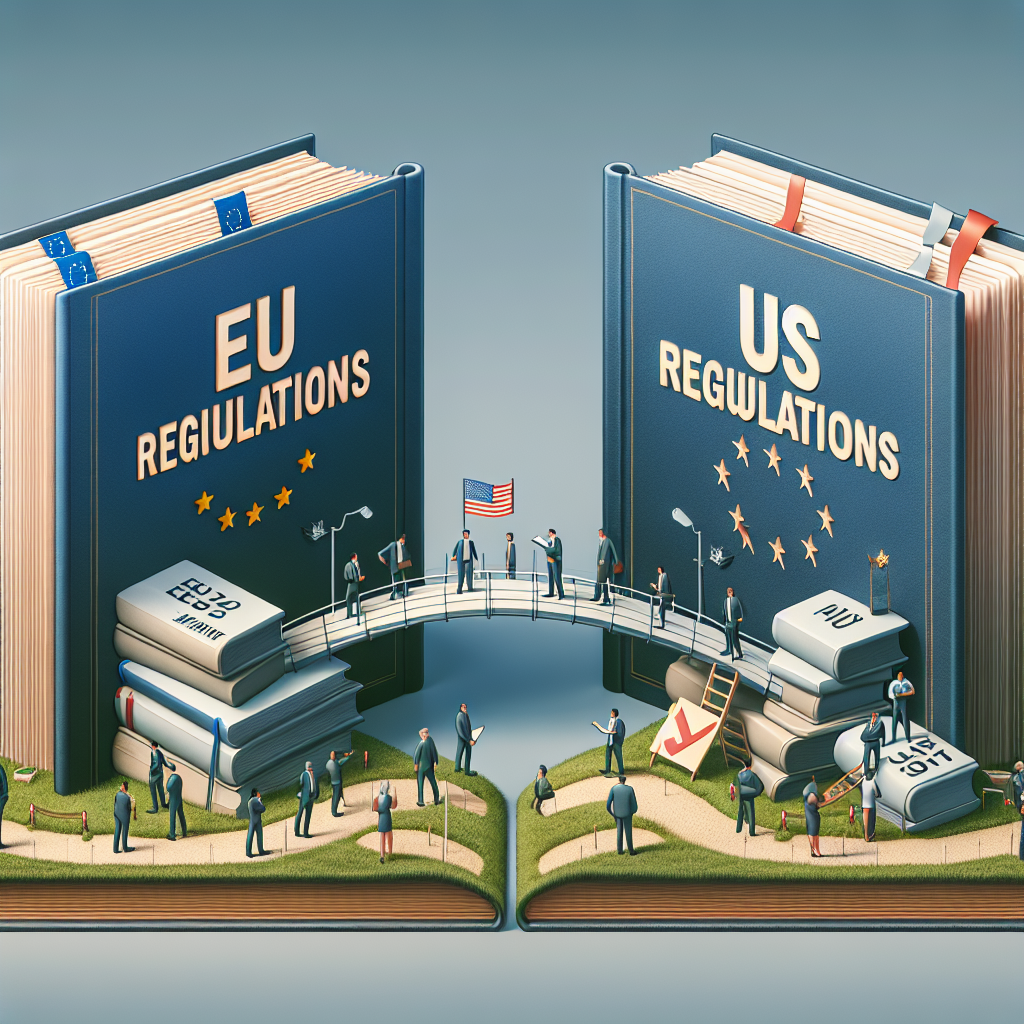
Launching a small web platform in the European Union entails complying with more than twenty different regulations from day one, from GDPR, DSA, and the AI Act to consumer protection, cybersecurity, and accessibility standards. In contrast, the first year for a startup in the United States is usually far less burdensome, with no direct equivalents to instruments such as the DSA or the AI Act, leaving a significant compliance gap between the two markets.
In the EU, incorporating an AI-based support agent multiplies obligations: transparency requirements, risk assessment obligations under the AI Act, technical documentation, processing records, data protection impact assessments, and additional security and accessibility measures. These requirements affect product design, the development cycle, and the cost and time to market.
In the United States, although there are relevant state-level and sectoral privacy laws and regulations on consumers and cybersecurity, the absence of a unified regulatory package similar to the DSA or the AI Act allows many startups to iterate and launch with less regulatory friction during the first year. However, this does not exempt them from responsibilities: compliance with local regulations, contractual agreements, cybersecurity best practices, and potential attention to future federal or state laws on AI and privacy.
For founders, this translates into early strategic decisions about target market, technical architecture, and partners. If targeting the European market, it is advisable to integrate privacy by design, conduct impact assessments, and prepare the documentation required by GDPR and the AI Act. If prioritizing the U.S. market, the roadmap usually focuses first on product speed and scaling, but with active vigilance over regulatory changes.
From a technical and operational standpoint, startups must consider measures such as data encryption, access controls, audit logs, retention policies, incident response plans, and WCAG accessibility. In the cloud, selecting robust providers and configuring them with best practices is key: AWS and Azure cloud services offer security, monitoring, and compliance tools that facilitate adherence to requirements both in the EU and the US.
Q2BSTUDIO supports companies in this leap between regulation and product. We are experts in software development and custom applications, custom software, and integrating artificial intelligence solutions and AI agents with a security and compliance focus. We offer cybersecurity services, AWS and Azure cloud services, business intelligence services, and Power BI solutions to turn data into decisions. Our experience in AI for businesses and AI agents allows us to design assistants and automations that meet transparency and documentation requirements.
Practical recommendations for an initial compliance roadmap: 1) map target jurisdictions and applicable regulations; 2) incorporate privacy by design and security by design into the product; 3) document models and data pipelines to comply with audits; 4) use AWS and Azure cloud services configured with security controls; 5) implement business intelligence solutions such as Power BI for monitoring and reporting; 6) collaborate with cybersecurity and artificial intelligence experts to assess risks and mitigations.
In summary, the compliance gap between the EU and the US in the first year is real and has technical, legal, and commercial implications. Having a technology partner that combines experience in custom application development, custom software, artificial intelligence, cybersecurity, AWS and Azure cloud services, business intelligence services, AI for businesses, AI agents, and Power BI reduces risks and accelerates time to market while meeting necessary obligations. If your startup needs support to design, develop, or secure solutions that comply both in Europe and the United States, Q2BSTUDIO can help you turn regulatory requirements into competitive advantages.