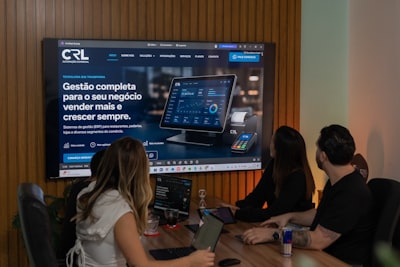
Facility management has evolved dramatically: what was once a chaos of spreadsheets, emails, and sticky notes can now be resolved with digital platforms that centralize every operational aspect. But digitizing is not just about installing a program; it involves rethinking processes, training teams, and, above all, choosing the right tools for each type of property. In this guide, we analyze how to modernize a building's operations from a strategic, technical, and business perspective, without losing sight of profitability and the end-user experience.
The first step is understanding that technology is not an end in itself, but a means to achieve efficiency. Many organizations fall into the temptation of adopting generic solutions that do not fit their actual workflows. That is why it makes more and more sense to turn to custom applications that allow modeling everything from incident reception to preventive maintenance scheduling. A custom software not only adapts to existing processes but can grow with the organization, integrating artificial intelligence modules to predict failures in critical equipment such as HVAC systems or elevators.
The key to a modern operation is real-time visibility. While a traditional system accumulates information in silos, a unified platform offers interactive dashboards where each person in charge —from the maintenance manager to the property administrator— can consult key indicators. This is where the value of
aws and azure cloud services comes in, guaranteeing data availability, scalability, and security. By migrating facility management to the cloud, updates are automatic, access is remote, and business continuity is protected against local disasters.Of course, cybersecurity cannot be an afterthought. Every IoT sensor, every mobile terminal, and every integration with access control systems opens potential attack vectors. Investing in
cybersecurity from the solution design stage prevents leaks of sensitive tenant and employee data and ensures regulatory compliance in sectors such as healthcare or education. Periodic penetration testing allows identifying vulnerabilities before they are exploited.Artificial intelligence applied to building management goes far beyond simple alarms. Today, it is possible to implement
AI agents that analyze the history of breakdowns, space usage, and environmental conditions to suggest adjustments in HVAC or recommend equipment replacements before they fail. Ai for businesses thus becomes an ally for reducing energy costs and extending the useful life of assets. Additionally, combined with power bi tools, dashboards can be built to visualize the efficiency of each building, comparing consumption, maintenance hours, and profitability per square meter. Our business intelligence services help transform raw data into actionable decisions, whether to justify an investment in renovation or to optimize outsourced service contracts.Another fundamental aspect is mobility. Maintenance technicians are rarely in front of a computer; they need to close work orders, upload photos, and consult manuals from their phones. A modern platform must offer native or progressive apps that work even with intermittent connectivity. Here,
custom applications designed by teams like those at Q2BSTUDIO allow adapting the interface to each company's language and roles, avoiding unnecessary learning curves.We cannot forget integration with legacy systems. Many facilities already have temperature sensors, access control, or smart meters. The new software layer must be able to consume this data through APIs or standard protocols, avoiding duplication and human errors. A microservices-based approach orchestrated in the cloud facilitates this interoperability, and Q2BSTUDIO has experience in hybrid architectures that connect
aws and azure cloud services with on-premise devices.The transition from a reactive to a proactive model does not happen overnight. It requires a phased deployment plan, continuous training, and clear metrics. For example, the first quarter can focus on digitizing the asset inventory and automating work order creation. In the second, predictive alerts based on
artificial intelligence are incorporated. And later, the billing and purchasing module is integrated to close the financial cycle. Each step must be measured with indicators such as mean time to resolution, the percentage of preventive maintenance executed on time, or savings in emergency costs.From a business perspective, modernizing building operations has a direct return on property value. Investors and real estate funds increasingly evaluate the digital maturity of properties, as efficient management reduces operating expenses and improves occupant satisfaction. Furthermore, having
cybersecurity and business intelligence services tools is a differentiating argument in due diligence processes or certifications such as LEED or BREEAM.Finally, it is worth remembering that technology is an enabler, but the human factor remains critical. The implementation of facility management software must be accompanied by a cultural change that fosters transparency, collaboration between departments, and acceptance of new processes.
Q2BSTUDIO not only develops custom software for this field but also accompanies organizations in their digital transformation, offering technological consulting and training so that the team makes the most of the investment.Ultimately, moving from a reaction-based operation to one based on prevention and data is possible. The key is choosing technology partners who understand both the physical and digital infrastructure, who offer scalable and secure solutions, and who are committed to operational excellence. With the right tools —from
AI agents to power bi, through aws and azure cloud services— any building can become a smart, efficient space ready for the challenges of the future.