.jpg)
In today's business environment, the need to centralize information, automate processes, and measure the impact of sustainability initiatives has become critical. A modern intranet with project rooms not only organizes internal communication but becomes the operational core for monitoring energy consumption, detecting inefficiencies, and reporting measurable results. By integrating custom software and artificial intelligence capabilities, companies can transform scattered data into strategic decisions, reducing costs and improving their environmental footprint.
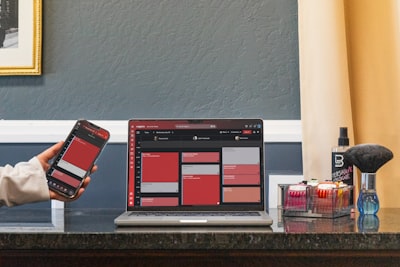
Current technology allows connecting IoT sensors, smart meters, and building management systems directly to the corporate intranet. Through interactive dashboards, sustainability managers visualize real-time consumption by floor, equipment, or production line. When anomalies are detected—such as a demand spike outside working hours—automated workflows are triggered, notifying the maintenance team or adjusting HVAC parameters. All of this is possible thanks to the combination of AI for businesses and flexible cloud architectures, such as AWS and Azure cloud services, which ensure scalability and security.
Beyond monitoring, an intranet with project rooms facilitates the management of efficiency programs. Teams can create collaborative spaces to define reduction goals, assign responsibilities, and track key performance indicators. Integration with business intelligence services and Power BI tools enables automated executive reports, showing the return on investment for each implemented measure. Additionally, the adoption of AI agents—virtual assistants trained on historical data—helps predict energy demand and recommend proactive adjustments, such as scheduling heavy machinery during off-peak hours.
One of the most common challenges when implementing such solutions is the lack of internal expertise. According to recent studies, over 30% of SMEs cite a lack of knowledge as the main barrier to integrating artificial intelligence into their operations. Therefore, having a technology partner that accompanies the entire process, from discovery to production deployment, makes a difference. Q2BSTUDIO, for example, combines custom applications with cybersecurity components—such as VPN connections and end-to-end encryption—and enterprise AI platforms (Azure AI Foundry, RAG, private LLMs) to ensure sensitive energy consumption data remains protected.
The practical approach begins with a discovery phase where current workflows, system dependencies (ERP, CRM, IoT platforms), and operational constraints are mapped. From there, a minimum viable product is delivered within a short timeframe (4 to 8 weeks) that already allows visualizing real savings. Integrations with systems like SAP, Salesforce, HubSpot, or SharePoint are carried out via modern APIs, without needing to replace existing infrastructure. The result is documented reductions of 20% to 45% in process cycle times, and between 15% and 35% in operational costs for target workflows.
For companies looking to make the leap toward data-driven energy efficiency, an intranet with project rooms is not a luxury but a competitive advantage. The key lies in choosing a partner that understands both technology and business, and delivers measurable results from the first month. At Q2BSTUDIO, each implementation includes a customized web portal that allows business teams to configure their own AI prompts, monitor costs, and operate workflows without constantly relying on the engineering department. Thus, autonomy and scalability are guaranteed.