.jpg)
In a professional environment where regulatory pressure and the demand for financial transparency are constantly growing, accounting firms face the challenge of offering accurate and fast services without neglecting their environmental impact. Process automation has become a strategic lever that allows these firms to optimize their daily operations —from bank reconciliation to generating compliance reports— while integrating sustainability criteria into their management. Far from being a mere technical tool, automation represents a paradigm shift in understanding the relationship between efficiency and corporate responsibility.
Modern automation solutions go beyond eliminating repetitive tasks. They incorporate artificial intelligence capabilities to analyze patterns, detect anomalies, and predict cash flows. Companies like Q2BSTUDIO develop custom applications that integrate with existing accounting tools, allowing firms to personalize each workflow. Thanks to AI for businesses, it is possible to automate complex processes such as expense classification, invoice validation, or tax return preparation, freeing up valuable time for professionals to focus on strategic advisory.
Technological infrastructure also plays a crucial role. AWS and Azure cloud services provide the scalability and security needed to handle growing volumes of financial data without compromising availability. In this context, cybersecurity becomes a fundamental pillar, as accounting information is one of the most sensitive assets of any organization. Q2BSTUDIO implements advanced protection protocols, and if a specific audit is required, they offer cybersecurity and pentesting services to ensure system integrity.
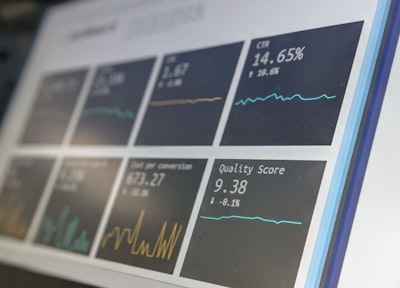
Furthermore, business intelligence enables transforming data into decisions. Through interactive dashboards and tools like Power BI, firms can monitor key performance indicators in real time —including ESG metrics— and generate automatic reports that demonstrate their commitment to sustainability. AI agents facilitate the collection and verification of environmental data, reducing the margin of error and streamlining the preparation of carbon or regulatory compliance reports.
Sustainability is not an add-on, but an inherent dimension of well-designed automation. By optimizing the use of energy and material resources, unnecessary travel and paper consumption are reduced. Supplier collaboration platforms allow auditing ethical practices throughout the value chain. Advanced analytics identifies circular economy opportunities, such as waste reuse or logistics process improvement. All of this helps accounting firms not only meet regulatory requirements but also strengthen their reputation as agents of positive change.
Q2BSTUDIO integrates these sustainability goals within its automation programs, aligning each efficiency gain with its clients' environmental commitments. Its technological approach —based on custom software, artificial intelligence, cloud services, and business intelligence— allows accounting firms to move towards a more agile, transparent, and responsible business model. Automation, far from being an end in itself, becomes the means to build an accounting system that measures, reports, and improves both financial results and ecological impact.