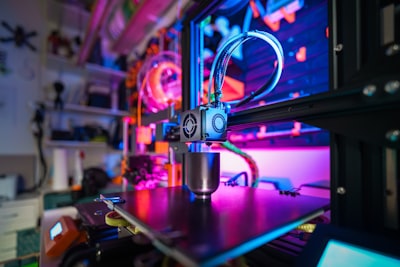
The convergence between single-board mini-computers and additive manufacturing represents a qualitative leap for makers, engineers, and small businesses seeking agile prototyping. A Raspberry Pi enthusiast not only finds a 3D printer an ally to materialize their projects but also discovers an ecosystem where electronics and mechanics enhance each other. Building a robotic arm, designing enclosures for IoT sensors, or creating spare parts for old devices are just a few examples of what can be achieved by combining both technologies. From a business perspective, this symbiosis accelerates development cycles and reduces production costs for short runs, which is critical in sectors such as automotive or consumer electronics.
To fully integrate this synergy into a professional environment, it is advisable to have process automation that connects parametric design, G-code generation, and remote hardware monitoring. At Q2BSTUDIO, we develop custom applications that orchestrate everything from sensor data capture to print queue management, freeing the technical team from repetitive tasks. Additionally, the integration of artificial intelligence allows predicting extrusion failures or adjusting parameters in real time, while AWS and Azure cloud services facilitate the storage and processing of design files from any location.
Cybersecurity also plays a relevant role when these 3D printing stations are connected to corporate networks; protecting firmware and intellectual property data is essential. On the other hand, production analytics benefit from business intelligence services such as Power BI, capable of cross-referencing printer performance indicators with work orders. It is even possible to implement AI agents that make autonomous decisions about which part to manufacture based on demand and delivery deadlines. If your company aims to scale such projects, at Q2BSTUDIO we offer AI for businesses and custom software that transform a tech hobby into a real competitive advantage, integrating 3D printing with the rest of the business's digital processes.