Talent management has evolved from an administrative task into a strategic driver of business productivity. In an environment where in-person, remote, and hybrid teams coexist, companies need tools that go beyond simple spreadsheets. The global workforce management software market, valued at $9.79 billion in 2023, is expected to double in the next decade. Behind this growth lies a profound transformation combining artificial intelligence, automation, and cloud connectivity. Below, we explore the ten trends redefining how organizations plan, execute, and optimize their human capital.
1. AI-powered planningArtificial intelligence is no longer a futuristic concept; it is an operational reality. Machine learning algorithms analyze historical patterns of demand, absenteeism, and turnover to predict staffing needs weeks in advance. This enables dynamic shift adjustments, avoiding overtime cost overruns or coverage gaps during peak activity. AI for businesses is evolving into AI agents that not only predict but also suggest corrective actions in real time. For example, a system can recommend reassigning staff from a low-demand department to a saturated one, all without manual intervention.
2. Definitive migration to cloud platformsOn-premise systems are giving way to scalable cloud solutions. The flexibility of AWS and Azure cloud services allows companies to deploy workforce management modules without major infrastructure investments. They also facilitate integration with other business systems and ensure business continuity in the event of disasters. By delegating technical administration to specialized providers, IT teams can focus on higher-value initiatives.
3. Employee experience as a strategic priorityNew generations expect autonomy and transparency. Modern platforms offer self-service portals where employees can request shift changes, view their hour history, manage vacations, and receive personalized notifications. This reduces the administrative burden on middle managers and improves engagement. When employees feel they have control over their schedule, talent retention improves significantly.
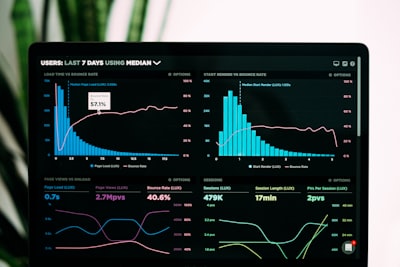
4. Advanced analytics and business intelligenceCollecting data is no longer enough; it must be turned into decisions. Business intelligence tools enable visualization of key indicators such as cost per hour, productivity per shift, or absenteeism rate. With Power BI integrated directly into the workforce management platform, business leaders can generate interactive dashboards that reveal hidden patterns. A quick analysis might show, for example, that teams with flexible schedules have 15% lower turnover.
5. Staffing needs predictionPredictive analytics goes a step further: it uses statistical models and machine learning to anticipate seasonal demand spikes, scheduled absences, or even attrition risks. Companies adopting these capabilities reduce last-minute scheduling changes by up to 40%. This trend is especially critical in sectors like retail, logistics, and healthcare, where demand fluctuates weekly.
6. Total mobility without bordersA warehouse operator or a nurse on rounds needs applications tailored to their actual workflow. Modern workforce management solutions offer native mobile apps with geolocation clock-in, offline hour tracking, and quick approvals. This eliminates bottlenecks and keeps field teams always synchronized. The key is to design custom applications that respond to the specificities of each role, rather than forcing generic processes.
7. Automation of administrative processesRepetitive tasks such as overtime calculation, absence management, or report generation consume valuable time. Automation based on rules and intelligent workflows frees HR teams to focus on strategic activities. For example, a system can automatically approve vacation requests within a predefined range, notify the manager only when certain thresholds are exceeded, and update the dashboard in real time.
8. Automated and secure regulatory complianceLabor regulations change constantly and vary by country or sector. Manually tracking maximum hours, mandatory breaks, or time records is prone to errors and penalties. Current platforms incorporate compliance engines that automatically update policies and generate digital audit trails. Additionally, cybersecurity is integrated as a fundamental layer, protecting sensitive employee data through encryption and granular access controls.
9. Industry-specific solutionsAn assembly line, a hospital, and a retail store have radically different needs. Instead of adopting generic platforms, more companies are opting for custom software that adapts to their unique workflows. For example, manufacturing requires complex rotation patterns, while logistics requires synchronizing schedules with delivery routes. Custom developments ensure higher adoption and real efficiency.
10. Integrated and connected ecosystemsThe future of workforce management lies not in isolated systems, but in platforms that integrate with ERP, payroll, physical access control, and even IoT sensors. A unified architecture eliminates data silos, reduces duplication errors, and provides a 360-degree view of the business. At Q2BSTUDIO, we drive this approach by developing solutions that natively connect with AWS and Azure cloud services, ensuring scalability and reliability.
Ultimately, workforce management is transforming into a data-driven discipline focused on employee experience and supported by intelligent technology. Companies that invest in modern tools today will be better positioned to face the challenges of a changing labor market. If your organization is looking to make the leap to a more efficient system, we invite you to explore how our custom applications can fit your actual processes. Additionally, incorporating AI for businesses allows you to anticipate scenarios and optimize talent allocation like never before. And don't forget that, to maintain data integrity, a robust cybersecurity approach is an essential part of any digital strategy.