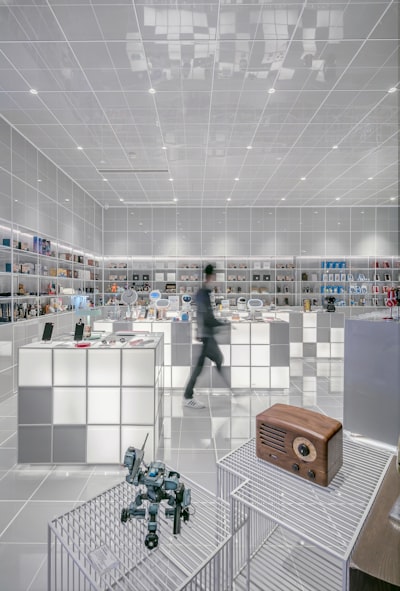
The design of a physical store layout no longer relies solely on intuition or aesthetics; today, the most accurate decisions are made based on data and technology. In this context, having custom applications developed by experts like Q2BSTUDIO allows for the integration of traffic analysis, purchasing patterns, and conversion metrics to design spaces that truly boost sales. Below, we present seven key tips that combine classic retail principles with the possibilities offered by digital transformation.
1. Understand the natural customer flow with artificial intelligence. Far from assuming all shoppers move the same way, AI solutions for businesses enable the analysis of thousands of trajectories in real time. AI agents can identify high-traffic zones, bottlenecks, and optimal routes, facilitating the relocation of shelves and the arrangement of high-margin products. With this information, the shopping experience is optimized and friction in aisles is reduced.
2. Strategic product placement based on sales data. Business intelligence services like Power BI help visualize which items have the highest turnover and which generate the most margin. Placing these items to the right of the entrance and at eye level remains effective, but is now supported by real-time dashboards that suggest weekly adjustments based on seasonality and consumer behavior.
3. Wide and accessible aisles with virtual simulation. Through cloud services AWS and Azure, it is possible to run 3D models that anticipate the flow of people in different aisle configurations. A minimum width of 1.20 meters remains recommended, but computational simulation allows finding the exact balance between product density and customer comfort. Additionally, custom software facilitates updating the layout when new modules are introduced or the seasonal arrangement changes.
4. Dynamic visual merchandising powered by IoT. Digital displays and interactive showcases are managed through cloud platforms, allowing promotions to be changed in real time. Integration with AI agents specialized in image recognition can recommend product combinations that capture attention, while cybersecurity ensures customer data and payment systems remain protected.
5. Smart and adaptive lighting. Presence sensors connected to a cloud backend adjust light intensity based on the time of day and foot traffic. This capability is controlled from custom panels created with custom applications, and is complemented by artificial intelligence algorithms that determine which areas need more visual emphasis to promote specific products. The resulting multisensory experience increases dwell time and, therefore, the likelihood of purchase.
6. Flexible layout with predictive analysis. Peak seasons and inventory changes require a quick reconfiguration of space. Business intelligence services, combined with Power BI dashboards, show at what time of year certain products should occupy prime positions. Additionally, automation systems allow for almost automatic reconfiguration of mobile modules, avoiding downtime and keeping the store always up to date.
7. Continuous feedback through surveys and sentiment analysis. Implementing chatbots or digital forms that collect customer opinions on store layout is possible thanks to custom software. The data obtained is processed with AI for businesses, generating real-time adjustment recommendations. Q2BSTUDIO offers comprehensive solutions ranging from feedback capture to layout implementation changes, all with the security and scalability provided by cloud services and advanced cybersecurity.