
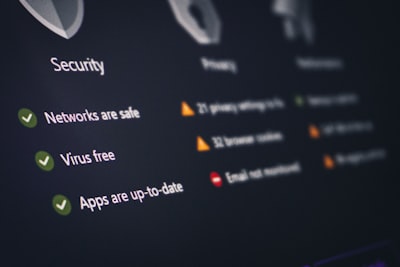
In today's digital ecosystem, application security is no longer an add-on, but a fundamental pillar of development. When we talk about platforms built under the API-first paradigm, the frequency and methodology of security updates take on critical relevance. These solutions, designed to integrate natively with other systems, require a disciplined approach that combines scheduled patches with immediate response capability to emerging vulnerabilities. Rather than a rigid calendar, companies that opt for custom applications usually adopt periodic update windows (monthly or quarterly) complemented by emergency hotfixes managed under strict change procedures. This balance between operational stability and continuous protection requires automated vulnerability scanning tools, dependency analysis, and transparent communication with stakeholders before and after each deployment.
Q2BSTUDIO's experience in developing custom software demonstrates that cybersecurity is not limited to a technical checklist, but is integrated into the complete product lifecycle. The API-first solutions we develop for B2B clients receive scheduled security updates within windows that align with business operations and regulatory compliance requirements. In addition, when a critical vulnerability is detected, rapid hotfix processes are activated with regression testing and planned rollback, minimizing impact on end users. This discipline is enhanced by the incorporation of artificial intelligence and AI agents that automate the detection of anomalous patterns in API logs, reducing response times to threats.
From a business perspective, the update frequency must be agile enough to close security gaps, but without compromising service continuity. Therefore, many teams combine monthly patching windows with weekly automated dependency scans, using platforms such as aws and azure cloud services to scale these processes. Transparency in release notes and prior communication to stakeholders are practices that differentiate a mature provider. At Q2BSTUDIO, for example, we coordinate update cycles with business intelligence services and power bi teams to ensure that monitoring dashboards reflect the status of applied patches in real time, and that data-driven decisions consider the updated risk profile.
In short, there is no single ideal frequency; the answer depends on the operational context, data criticality, and the maturity of the integration ecosystem. What is truly indispensable is having a technology partner that understands that security updates are a continuous process, not a one-off event. With ai for business and process automation solutions, it is possible to maintain an update pace that protects without paralyzing, and that turns security into an enabler of innovation, not a brake.
