
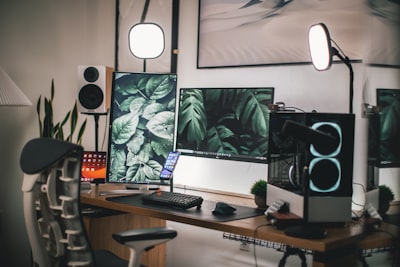
Remote work and heavy use of computers have transformed the way we work, but they have also increased the risks of musculoskeletal injuries. Ergonomics is no longer a luxury, but a strategic necessity for any professional who spends long hours in front of a screen. In this article, we look at why PC lovers should prioritize their physical well-being, how technology can help, and what role companies like Q2BSTUDIO play in creating customized solutions.
Most computer users underestimate the cumulative impact of poor posture. Small discomforts in the wrists, shoulders or neck can become chronic injuries if not corrected in time. According to the World Health Organization, work-related musculoskeletal disorders are one of the leading causes of work disability. In environments where software development and data management are the norm, ergonomics becomes a critical factor in productivity and talent retention.
The solution is not just to buy an expensive chair or an ergonomic keyboard. The approach must be comprehensive: from the furniture to the software we use. For example, timers for active breaks are simple but effective tools, and today there are AI-based virtual assistants that remind the user to change posture or perform stretches. Q2BSTUDIO develops bespoke applications that integrate AI agents capable of monitoring activity and suggesting personalized breaks, improving employee health without interrupting their workflow.
In the business environment, ergonomics must be part of the organizational culture. Implementing active break policies, providing adjustable equipment, and training teams in postural hygiene reduces absenteeism and increases performance. Companies that are committed to the health of their employees see a tangible return on investment. In addition, cloud technology makes it possible to centralize wellness data and analyze it with business intelligence tools such as Power BI, facilitating evidence-based decision-making.
From a technical point of view, ergonomics also applies to interface development. Poorly designed software forces repetitive movements or forced postures. That's why at Q2BSTUDIO we integrate usability and accessibility principles into every custom software project. We work with companies to design dashboards, dashboards, and automation systems that minimize the physical burden on the user. For example, a cybersecurity system with well-placed visual alerts prevents unnecessary head turns, and an automated workflow reduces repetitive clicks.
Infrastructure matters, too. AWS and Azure cloud services allow you to deploy applications that adapt to different devices and contexts, making it easier for employees to work from home with appropriate ergonomic configurations. The cloud also enables AI solutions for companies that analyze posture in real time through the webcam, always respecting privacy. These systems, combined with AI agents and Power BI, offer detailed reports on work habits and ergonomic risks.
However, technology alone is not enough. Each person has a unique physiognomy, so solutions must be personalized. This is where custom application development becomes relevant: software that is tailored to the specific needs of each user or team. Q2BSTUDIO offers consulting and development of platforms that integrate intelligent reminders, motion analysis, and recommendations based on machine learning. All with a focus on cybersecurity, ensuring that sensitive employee data is protected.
In conclusion, taking care of ergonomics not only prevents injuries, but also improves quality of life and work efficiency. PC lovers should be aware that their body is their most valuable tool. Incorporating healthy habits, investing in appropriate equipment and relying on smart technological solutions is the way to go. Companies like Q2BSTUDIO are prepared to accompany this process with artificial intelligence solutions that integrate naturally into their day-to-day lives, as well as with AWS and Azure cloud services that guarantee scalability and security. Investing in ergonomics is an investment in the future of work.
