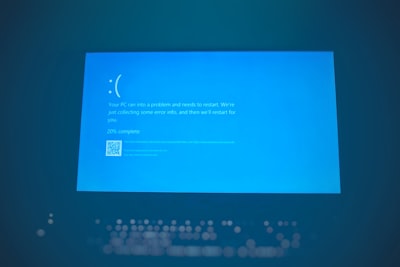
Microsoft's recent confirmation of failures in Secure Boot certificate updates on certain computers has raised concerns among system administrators and cybersecurity managers. This issue, which particularly affects HP and non-HP models, highlights the complexity of keeping secure boot mechanisms up-to-date in corporate and personal environments. The technical situation is not trivial: expired certificates prevent the system from receiving the last protections of the boot process, even if the computer can continue to function normally. Over time, exposure to threats increases, and critical features such as device encryption or certain bootable software may stop working properly.
For enterprises, this scenario represents a security management challenge that goes beyond a simple Windows update. The dependence on firmware updates from manufacturers, the need to coordinate deployments in heterogeneous fleets and the impossibility of forcing the installation of new certificates make this incident a case study on the importance of cybersecurity planning. Organizations that have already invested in robust architectures, with cloud services such as AWS and Azure, can centralize the monitoring of the health of their computers and quickly detect those that are left without active protection. Precisely, the integration of artificial intelligence solutions makes it possible to predict when a firmware patch is available and automate its controlled application, avoiding prolonged windows of vulnerability.
From a practical perspective, temporarily blocking the issuance of new certificates forces many companies to rethink their update procedures. It's not enough to rely on automatic Windows updates; A proactive approach is required that includes accurate hardware inventories, constant communication with manufacturers, and in many cases, the development of custom applications that facilitate centralized management of security at boot. For example, custom software can integrate with device management (MDM) panels and generate alerts when a computer has not received the necessary certificate. In addition, the implementation of AI agents specialized in detecting anomalies in the initiation process makes it possible to identify suspicious behavior even before an attack materializes.
The long-term impact, as described by Microsoft, is gradual but inevitable: computers with expired certificates no longer receive the latest threat protections from early boot. This means that, as the months go by, those devices become weak points within the corporate network. For companies that handle sensitive data or that must comply with security regulations such as ISO 27001 or GDPR, this risk is not acceptable. For this reason, investing in business intelligence services based on Power BI is strategic: it allows you to visualize in real time the update status of the entire fleet, prioritizing remediation actions according to the risk associated with each team or department.
The current situation also reinforces the need for backup and disaster recovery strategies aligned with cybersecurity. A system that fails to load Secure Boot could compromise the integrity of the operating system before it boots. That's why many organizations are turning to AWS or Azure-based cloud solutions to keep system images up-to-date and ready to be deployed in the event that a computer becomes inoperative. The combination of cloud infrastructure with artificial intelligence for enterprises offers the ability to detect failure patterns and recommend corrective actions before they become critical incidents.
In this context, Q2BSTUDIO is positioned as a key technological ally. Our expertise in custom software development allows us to create update management tools that integrate with existing systems, whether on-premises or in the cloud. In addition, our cybersecurity services include Secure Boot audits and penetration testing (pentesting) that help identify insecure configurations before they are exploited. For companies looking to optimize their processes, we offer automation solutions that can trigger firmware updates in a controlled manner, minimizing the impact on productivity.
Artificial intelligence plays a critical role in the evolution of modern cybersecurity. For example, AI agents trained to monitor boot logs can detect when a certificate is about to expire and alert IT before the crash occurs. Similarly, business intelligence services with Power BI allow you to create dashboards that show the up-to-date status of all endpoints, facilitating data-driven decision-making. These capabilities not only improve the security posture, but also reduce the operational burden on IT staff.
In the long term, the Secure Boot certificate incident will serve as a reminder that IT security is not a static product, but a continuous process of improvement and adaptation. Organizations that invest in integrated solutions, from custom applications to cloud infrastructure and advanced analytics, will be better prepared to tackle not only this problem, but any others that may arise in the future. Collaboration between manufacturers, Microsoft, and technology companies like Q2BSTUDIO is essential to ensure that the transition to new security standards is smooth and leaves no gaps that can be exploited by malicious actors.
In short, the temporary suspension of Secure Boot certificate updates on certain PCs is not a cause for immediate alarm, but it is a wake-up call to review corporate cybersecurity strategies. The combination of monitoring, automation, and artificial intelligence tools can mitigate risks while waiting for official solutions. Companies that have already taken a proactive approach, supported by cloud services, custom software development and business intelligence dashboards, will be one step ahead in protecting their most valuable assets.