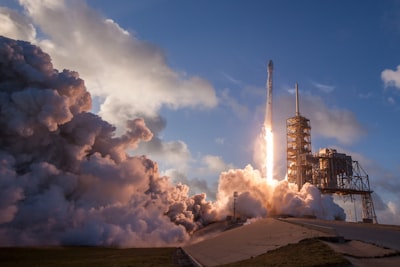
Following the recent regulatory clearance, SpaceX is preparing to resume flight testing of the Starship, following the catastrophic failure of the Super Heavy booster in May. This milestone not only represents a breakthrough in space exploration, but also offers valuable lessons on risk management, iterative innovation, and the importance of having robust technology infrastructure. In a context where speed of development and fault tolerance are strategic, the aerospace industry and the business world share similar challenges that can be addressed with tailor-made software tools and artificial intelligence solutions.
SpaceX's signature 'fly, fail, fix' approach has proven effective in reaching milestones that seemed impossible. However, this methodology requires an ecosystem of data and analytics that allows engineers to quickly identify the root causes of errors. This is where technology plays a key role. For example, real-time telemetry processing is supported by AWS and Azure cloud services, which offer scalability to handle terabytes of information during each test. In addition, cybersecurity systems ensure that critical data is not compromised, protecting both intellectual property and the integrity of operations.
Artificial intelligence has become an indispensable ally in predicting failures before they occur. Using AI agents trained with historical data from previous flights, it is possible to anticipate anomalous behavior in engines or structural systems. This predictive modeling capability is very similar to that offered by AI solutions for companies in industries such as manufacturing or logistics. At Q2BSTUDIO, we develop bespoke applications that integrate machine learning models to optimize processes, from predictive maintenance to inventory management, helping organizations reduce costs and increase efficiency.
The recent booster incident also highlighted the need for Business Intelligence platforms that allow data from multiple sources to be visualized and cross-referenced. Tools like Power BI make it easy to create interactive dashboards where engineering teams can live monitor critical variables during testing. Similarly, in the corporate environment, business intelligence services help managers make informed decisions based on consolidated data. For example, a company that implements Power BI with custom integrations can spot sales trends or identify operational bottlenecks with agility that was previously unthinkable.
SpaceX not only proves that failing is part of the process, but that the key is in the speed of learning. To replicate that agility in other industries, a flexible technology ecosystem is critical. Bespoke software solutions allow companies to build tools exactly tailored to their workflows, avoiding the limitations of generic packages. In addition, automating processes using AI agents reduces the operational burden and frees up human talent for higher-value tasks.
The authorization to fly again comes after the FAA thoroughly reviewed modifications implemented by SpaceX, which included improvements to the stage separation system and booster control mechanisms. This regulatory review process is comparable to the compliance audits faced by companies in regulated sectors, where documentation and traceability are essential. A document management system based on AWS or Azure cloud services, with advanced cybersecurity layers, can greatly simplify these requirements.
From a technical perspective, the Starship is a vehicle that integrates more than six thousand sensors, all generating data that must be processed and analyzed in real time. To handle such a flow, scalable data architectures and microservices orchestration are required. These same needs appear in companies that handle large volumes of transactions or IoT. Deploying an expertly supported AWS and Azure cloud services platform allows organizations to scale without investing in their own infrastructure, exactly as SpaceX does by renting cloud compute capacity for its simulations.
The May ruling also underlined the importance of stress testing and integration testing. In the world of software development, automated testing and staging environments are standard practices. However, many companies still lack a systematic approach to validating their applications. This is where bespoke applications come into play that include robust CI/CD pipelines, ensuring that every change is tested before moving to production. Q2BSTUDIO helps build these pipelines, integrating testing and monitoring tools that reduce the risk of production failures.
Another relevant aspect is the management of remote teams and global collaboration. SpaceX operates with engineers spread across multiple facilities, coordinating design and manufacturing through collaborative platforms. This model is becoming more common in tech companies, where asynchronous communication and cloud-based tools are vital. Implementing bespoke software for project management and resource allocation can significantly improve productivity, just as the solutions we offer at Q2BSTUDIO do.
The Starship's return to test flights is not only a technical achievement, but also an example of organizational resilience. In a changing business environment, companies that adopt an experimentation mindset and learn from their mistakes often outperform their competitors. To do this, it is essential to have tools that allow you to measure, analyze and act quickly. Business intelligence services and Power BI dashboards provide that visibility, while AI agents automate responses and generate early warnings.
Finally, it should be noted that cybersecurity cannot be a late addition. In the case of SpaceX, any vulnerability in ground control systems could have catastrophic consequences. Similarly, companies that handle sensitive data must integrate cybersecurity by design. At Q2BSTUDIO we offer pentesting services and security audits to identify and correct gaps before they are exploited. By combining AI for business with good development practices, it is possible to build more secure and reliable systems.
In conclusion, the authorization for SpaceX to fly the Starship again is a sign that innovation requires courage, but also solid technological infrastructure. The lessons from their iterative development method can be applied to any organization looking to continuously improve. Whether through custom software, artificial intelligence or cloud services, at Q2BSTUDIO we help companies build similar capabilities, transforming data into decisions and failures into learning.