When a device stops working properly, the impact goes far beyond the simple annoyance: it can halt production processes, paralyze work teams, or compromise the security of critical data. The frustration generated by a frozen screen or a recurring error usually leads to improvised solutions that, far from solving the problem, aggravate it. Understanding how to diagnose and correct technical faults in a structured way not only saves time, but also protects the company's technological investment. This guide proposes a systematic approach, away from generic recipes, focused on the root of the problems and on intelligent prevention.
The first step to any diagnosis is to observe the behavior of the system without bias. Many times, an intermittent failure in Wi-Fi connectivity can be caused by incorrect router configuration, but also by a driver conflict or electromagnetic interference. The same goes for slow operating system – it can be caused by too many programs in the background, a fragmented hard drive, or malware. To avoid getting lost in guesswork, it's a good idea to apply a layer-based method of discarding: first hardware, then system software, then applications, and finally network. Tools such as the resource monitor, event logs or diagnostic commands allow you to isolate the problematic variable without the need to be a programming expert.
In the business world, technical problems are not just an individual issue; affect business continuity. That's why advanced organizations don't wait for failure to emerge to act. They incorporate proactive monitoring and predictive maintenance strategies. This is where custom software development takes center stage. Rather than relying on generic tools that don't adapt to actual workflows, many companies choose bespoke apps that integrate early warnings, detailed logs, and custom dashboards. These solutions make it possible to detect anomalous patterns before they become serious incidents, reducing downtime and associated costs.
Another fundamental aspect is the constant updating of the technological ecosystem. Manufacturers release security patches and firmware updates to fix known vulnerabilities. Ignoring these updates is one of the most common causes of recurring problems, especially in environments where multiple devices and operating systems coexist. However, upgrading is not enough if you do not verify compatibility between versions. For example, a Windows update can break communication with accounting management software developed years ago. To avoid these conflicts, companies turn to controlled test environments and integration services such as those offered by Q2BSTUDIO, which combine enterprise AI with technical expertise to predict the impact of changes before applying them to production.
Cybersecurity is another dimension that cannot be separated from technical troubleshooting. Many seemingly harmless flaws, such as a self-moving cursor or unexpected pop-ups, are symptoms of malware infections. Instead of formatting the disk at the first opportunity, it is advisable to perform a deep analysis with specialized tools and review the permissions of the applications. Security policies should include training users to recognize phishing attempts or malicious links, as most breaches begin with human error. Q2BSTUDIO, aware of this reality, offers cybersecurity services that assess the organization's attack surface and propose customized corrective measures, integrating AI agents that monitor network traffic in real time.
When the problem escalates at the infrastructure level, such as a server crash or loss of cloud connectivity, the response must be immediate and coordinated. This is where AWS and Azure cloud services come into play, offering high availability and geographic redundancy. However, misconfiguring resources can lead to bottlenecks or unexpected bills. To avoid this, companies rely on specialized consultancies that review the cloud architecture and optimize performance. Business intelligence services also add value in this context, as they allow you to visualize usage and performance metrics through tools such as Power BI, facilitating decision-making based on real data. Q2BSTUDIO integrates these capabilities into your projects, helping organizations migrate to the cloud securely and efficiently.
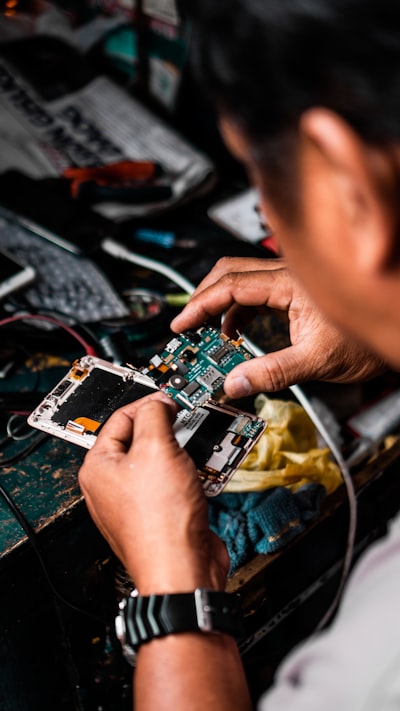
On a day-to-day basis, users often forget that devices also need physical maintenance: cleaning fans, checking thermal paste, replacing degraded batteries or expanding RAM. Although they may seem like minor tasks, overheating can cause unexpected shutdowns and corrupt files. Companies that manage equipment fleets should establish periodic review schedules, relying on inventory software that records the status of each component. In addition, the adoption of AI agents for hardware monitoring can predict disk or memory failures in advance, allowing replacement before an unplanned outage occurs.
One aspect that is often underestimated is documentation. When a problem is detected and a solution is found, few people record the process. However, having an up-to-date knowledge base speeds up the resolution of future incidents and prevents the same mistake from happening again on different computers. Ticketing platforms and internal wikis are simple yet powerful tools. In more advanced environments, artificial intelligence systems are used to analyze historical tickets to suggest automatic solutions, reducing the average response time of technical support.
Finally, it's important to recognize when a problem exceeds internal capabilities. In these cases, turning to a technology partner such as Q2BSTUDIO is not a failure, but a strategic decision. Its multidisciplinary team combines development, infrastructure, cybersecurity, and data expertise to address complex issues that require a holistic view. Whether it's building bespoke applications that unify legacy systems, deploying scalable cloud services, or automating processes with artificial intelligence, Q2BSTUDIO's philosophy focuses on solving the root cause and not just the symptoms. Thus, devices and systems cease to be a source of headaches to become levers of productivity and competitiveness.
In conclusion, solving technical problems is not a matter of luck or trial and error. It requires a method, the right tools and, above all, a preventive attitude. By taking a professional approach, supported by tailored software solutions, cloud, cybersecurity and artificial intelligence, companies can minimize the impact of failures and keep their operations running smoothly. Technology should be at the service of the business, not the other way around.