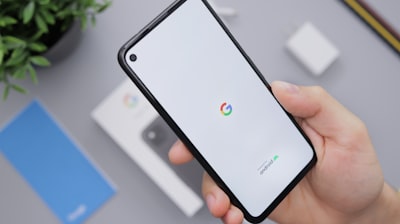
The arrival of a new flagship device always generates expectations, but this year Google has achieved something peculiar: that a leak about the colors of the Pixel 11 grabs headlines. Beyond the anecdote, this design strategy reflects a deep trend in the tech industry: personalization as a key differentiator. Vibrant tones and evocative names not only seek to attract attention, but also to connect emotionally with different segments of users. For businesses, this lesson goes far beyond hardware: it's about understanding that today's consumer demands unique experiences, whether it's through the color of their phone or the functionalities of their software. In this context, having tailor-made applications that are adapted to the specific needs of each customer becomes a fundamental competitive advantage.
The color choice of a product like the Pixel 11 is not random; it responds to studies of color psychology and demographic segmentation. The bold shades (intense pinks, natural greens, sophisticated blacks) appeal to different user archetypes: the young creative, the minimalist professional, the nature enthusiast. This same logic can be transferred to the world of enterprise software. A platform that allows you to customize your interface, workflows, or even visual analytics according to each user's profile will generate greater engagement. To achieve this, tailored software that offers flexibility without sacrificing performance is essential. At Q2BSTUDIO we develop modular solutions that allow companies to adapt their systems to the preferences of their customers, just as Google adapts the colors of its devices to market trends.
Behind the decision to launch a specific color palette is a complex data analysis. Big tech uses artificial intelligence to predict which combinations will resonate best with each market. For example, machine learning models process millions of social media interactions, searches, and purchases to identify emerging color preferences. This approach, known as AI for business, allows not only to anticipate trends but also to personalize offers in real time. At Q2BSTUDIO we apply artificial intelligence techniques and AI agents to help organizations analyze their users' behavior and design tailored experiences. Thus, a company can know which features of its app are most valued by each segment, and adapt the interface or colors of its brand dynamically, replicating the customization strategy that we see in the launch of the Pixel 11.
However, mass data collection comes with risks. When a company stores information about aesthetic preferences or consumption habits, it must ensure that this data is protected against unauthorized access. Cybersecurity becomes, then, an inseparable pillar of any personalization initiative. Every user interaction, from choosing a color to configuring an app, generates sensitive data that must be treated with the highest security standards. Q2BSTUDIO offers comprehensive cybersecurity services including audits, pentesting, and regulatory compliance, ensuring that personalization strategies do not compromise privacy or information integrity.
The infrastructure that supports this entire ecosystem of personalization and analytics requires a solid foundation. Processing millions of interactions, running predictive models, and maintaining dynamic interfaces demands scalability that only AWS and Azure cloud services can provide. The cloud allows you to deploy elastic architectures that adapt to peaks in demand, such as those that occur during the launch of a flagship product. In addition, it facilitates integration with business intelligence tools, such as power BI, to visualize the impact of design and marketing decisions in real time. At Q2BSTUDIO we help companies migrate and optimize their platforms in cloud environments, ensuring controlled availability, performance and costs.
Data analytics is not limited to color prediction; It extends to measuring the return on investment of each initiative. With business intelligence and power bi services, organizations can build dashboards that correlate the acceptance of new designs with sales, loyalty, and satisfaction metrics. For example, a phone company might evaluate whether the launch of a specific color variant increased conversions by 15%, and adjust its future production accordingly. This ability to measure and react quickly is exactly what sets brands that innovate successfully. Q2BSTUDIO implements Business Intelligence solutions that transform raw data into strategic decisions, emulating the agility with which Google adjusts its color catalog.
The trend towards hyper-personalization is also driving the development of AI agents that interact with users in real-time. Imagine a virtual assistant that, knowing your color and functional preferences, recommends personalized phone configurations or even anticipates which color of case will best match your new device. These agents not only improve the shopping experience, but also gather valuable information for the company. Integrating AI for business ethically and efficiently is one of the fields where Q2BSTUDIO brings its expertise, creating chatbots and intelligent assistants that understand the context and learn from every interaction, all on a foundation of robust cybersecurity.
In short, the media hype over the Pixel 11's colors is just the tip of the iceberg of a broader revolution: data-driven personalization. Companies that want to compete in this new scenario must adopt a comprehensive approach that combines custom applications, artificial intelligence, cybersecurity, AWS and Azure cloud services, and business intelligence services. At Q2BSTUDIO we are aware that each client is unique, which is why we offer modular solutions that adapt to their needs, from custom software development to the implementation of AI agents and analysis with power BI. If your organization is looking to replicate the customization strategy of the tech giants, don't hesitate to contact us. The next time you see a bold color on a device, remember that behind it there is a technological ecosystem that makes it possible. And we're here to help you build yours.