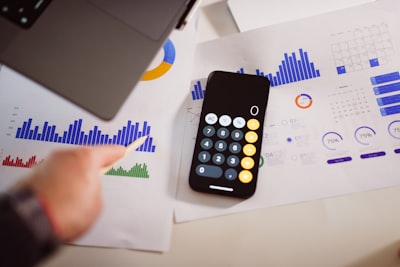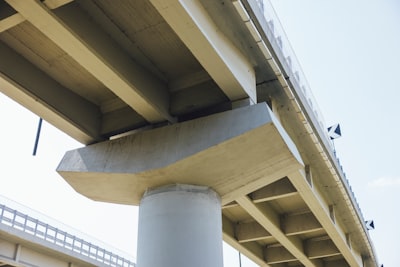
There is a subtle but crucial difference between looking and observing. Anyone can lay eyes on an object, a process, or a set of data; few stop to interrogate what they see with the right questions. This distinction, which seems philosophical, is actually the foundation of engineering, business management, and digital transformation. Those who limit themselves to looking look for immediate, often superficial, answers. The observer looks for patterns, underlying causes and, above all, meaning. In the world of infrastructure maintenance, this lesson is learned over time: cracked concrete is not synonymous with imminent collapse, but it should not be ignored either. The real skill is not in detecting the anomaly, but in interpreting its severity and its potential evolution. The same is true in the corporate sphere, where superficial indicators can lead to hasty decisions if they are not intersected with an in-depth analysis of the data.
Today's technology allows us to go beyond visual inspection. It is no longer necessary to wait for a structural component to show obvious signs of deterioration before acting. Sensors, predictive models and continuous monitoring systems transform raw information into actionable knowledge. This approach, known as structural health monitoring, is based on the systematic collection and analysis of variables such as vibrations, displacements, corrosion or fatigue of materials. But its success depends on more than just instrumentation: it requires software platforms capable of handling large volumes of data, artificial intelligence algorithms that identify anomalous patterns, and dashboards that present information in a way that is understandable to decision-makers. At this point, the parallelism with the company is evident. An organization that collects indicators without a robust enterprise AI system risks drowning in data without extracting real value.
Let's imagine a company that manages a fleet of industrial assets. Each machine generates terabytes of telemetry every day. Without a proper framework of analysis, those numbers are noise. However, by applying business intelligence services and machine learning models, it is possible to predict failures before they occur, optimize maintenance cycles and reduce unplanned downtime. This ability to anticipate is exactly what distinguishes companies that thrive in the digital age from those that constantly react to crises. The former have understood that observing is not enough; You have to ask, cross variables and contextualize. This is where developing bespoke applications that are tailored to each business's specific processes comes into play, rather than forcing generic workflows. A platform built from an understanding of the business allows you to automate data collection, integrate disparate sources and generate intelligent alerts that really help you decide.
The concept of AI agents has gained strength precisely in this field. These are autonomous systems that not only analyze information, but also execute actions based on rules and learn from the results. For example, an AI agent can monitor the health of a bridge—or the performance of a supply chain—and, upon detecting a deviation, notify the appropriate team, or even initiate an autoresponder protocol. This orchestration between sensors, artificial intelligence, and business processes is the natural next step in the evolution of intelligent monitoring. However, for it to work reliably, the underlying infrastructure must be robust and secure. Hence the importance of having AWS and Azure cloud services that guarantee scalability, availability and data protection. No one wants critical asset information exposed or lost due to a system crash.
Cybersecurity, in this context, is not an optional addition, but a fundamental pillar. The more devices that are connected – sensors, actuators, IoT gateways – the more attack surface there is. A monitored bridge could be vulnerable if the software that manages its alarms is not protected. Similarly, a company that centralizes its business data in the cloud must ensure that communications, storage, and access are encrypted and audited. Therefore, integrating cybersecurity from the design phase not only prevents incidents, but also generates trust among stakeholders. Responsible observation begins by protecting what is observed.
Going back to the initial metaphor: the morning someone finally looked up and touched the corroded steel, he didn't discover an impending collapse, but an incomplete story. That person learned that the difference between a serious problem and a controlled situation is not in the appearance, but in the questions one asks oneself. The same thing happens in the business world. A Power BI report may show a drop in sales, but the real cause may lie in logistics, product quality, or a change in consumer habits. Only when you have a tailor-made software ecosystem, powered by artificial intelligence and backed by a secure cloud infrastructure, is it possible to move from simple observation to deep understanding. And that understanding is what allows us to act with precision, optimize resources, and ultimately build more resilient organizations.
Today's technology offers extraordinary tools to transform uncertainty into certainty. But the most powerful tool remains the ability to ask the right question. Whether it's assessing the health of a bridge or the efficiency of a value chain, the journey begins with a careful look, continues with rigorous analysis, and is consolidated with the right technology. At Q2BSTUDIO we understand that each organization has its own knowledge infrastructure, and our goal is to equip it with the digital solutions that allow it to see beyond the obvious. Because, in the end, what really matters is not what you see, but what you are able to interpret.