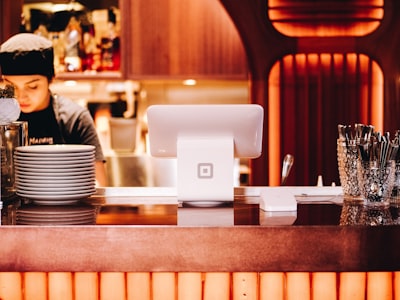
In the age of digital transformation, the hospitality industry has understood that operational efficiency does not depend solely on the quality of dishes or customer service. Behind every successful restaurant is a technological infrastructure that automates processes, centralizes data, and allows informed decisions to be made in real time. Restaurant management software has become the invisible pillar that supports everything from the kitchen to billing, integrating point-of-sale modules, inventory, online ordering, digital menus, and business analytics.
But what exactly is this type of software? It is not a simple tool to register orders. It is a modular platform that can include tailor-made applications adapted to the specific needs of each establishment, whether it is a small neighbourhood café or a chain with dozens of premises. When a business grows, manual processes become unsustainable: updating prices at each terminal, synchronizing the menu between delivery platforms or managing the stock of ingredients with no margin for error. This is where technology makes a difference.
Centralized menu management, which is so much talked about in the industry, is only one piece of the puzzle. A modern system allows you to modify a dish, its price or its ingredients from a single interface and see the change reflected instantly in all channels: orders in the dining room, takeaway orders, self-service kiosks, kitchen screens and external marketplaces. This approach eliminates human error and ensures a consistent customer experience, regardless of the touchpoint.
Beyond menus, the management software integrates inventory modules that alert about products that are about to expire, recommend orders based on consumption trends and automatically calculate the real cost of each dish. The connection with accounting and sales reports allows owners to understand which dishes generate the highest profitability and which should be off the menu. This analysis capacity is enhanced with business intelligence services and tools such as Power BI, which transform operational data into visual dashboards and predictive reports. For example, by cross-referencing sales with weather or local events, demand can be anticipated and production can be adjusted, reducing food waste.
The cloud has been another great enabler. AWS and Azure cloud services allow a restaurant to manage its operations from anywhere, with automatic backups and scalability to absorb order spikes, such as weekends or holidays. This infrastructure also facilitates integration with third-party platforms and remote software update without the need for technical intervention at each location.
Artificial intelligence is beginning to revolutionize the personalization of the dining experience. From systems that recommend dishes based on customer history to AI agents that automate the handling of reservations and FAQs, the potential is huge. Virtual assistants are even being developed for the kitchen that suggest adjustments in real time based on ingredient availability or production speed. These solutions, which require custom software to adapt to each restaurant's unique processes, are the next step in the evolution of the industry.
However, digitalisation entails risks. A restaurant handles sensitive data: credit card information, customer addresses, employee passwords. That's why cybersecurity isn't a luxury, it's a necessity. Implementing encryption protocols, regular audits, and penetration testing (pentesting) protects both the reputation and operations of the business. Solutions like those offered by Q2BSTUDIO range from network-layer security to data protection compliance, all integrated into modular systems.
In this context, consulting and the development of specialized platforms make the difference. Q2BSTUDIO, as a software and technology development company, accompanies restaurants and chains in the transition to smart management. Their approach is not limited to installing a closed package, but analyzes the particular processes of each business to design and implement custom software that integrates with existing systems. From building an online ordering application with dynamic pricing logic to connecting all locations using AWS and Azure cloud services, each solution is built with scalability and ease of use in mind.
A practical example: a chain of pizzerias with five branches needed to synchronize its digital menu with delivery aggregators, but it also wanted to offer personalized promotions according to the behavior of each customer. Q2BSTUDIO developed a platform that unifies the menu in real time, connects with its own CRM and deploys AI agents that recommend combinations of dishes and drinks. The result: a 30% reduction in order errors and a 15% increase in the average ticket. In addition, dashboards were implemented in Power BI for managers to visualize metrics such as table turnover, popularity of dishes and profitability per location, all from the same dashboard.
Automation doesn't mean replacing staff, but freeing them from repetitive tasks so they can focus on what really matters: customer service and culinary creativity. Restaurant management software, well implemented, becomes an invisible ally that streamlines the kitchen, reduces waste, optimizes costs and improves the diner experience.
For businesses looking to take the digital leap, the key is to take a holistic view. It's not about buying a siloed system, but about building an ecosystem where point of sale, inventory, online orders, analytics, and customer management communicate seamlessly. And, of course, having technology partners who understand both hospitality and software engineering. At Q2BSTUDIO, we offer just that: custom application development that adapts to the reality of each restaurant, with the flexibility required by changing environments.
In addition, data-driven decision-making is no longer an option. Incorporating services, business intelligence, and Power BI allows restaurant owners to move from intuition to evidence. With a dashboard in Power BI, you can spot trends, identify bottlenecks, and adjust your pricing strategy in minutes. This ability to react is what differentiates businesses that survive from those that thrive in a market as competitive as the restaurant industry.
In short, understanding what restaurant management software is implies going beyond the label of "program to charge". It is a platform that integrates cutting-edge technology – from cloud computing and artificial intelligence to cybersecurity and business intelligence – to transform daily operations. And in doing so, you not only improve efficiency, but elevate the customer experience to a new level of quality and personalization. Investing in this technology is investing in the future of the business.