
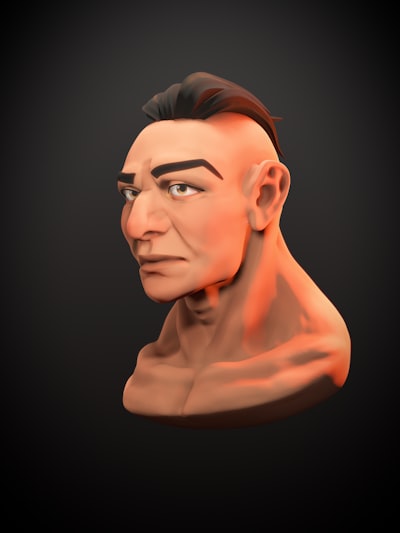
The generation of dialogues with artificial intelligence has opened up fascinating possibilities in animation, video games, virtual assistants and audiovisual production. However, the quantum leap between a convincing synthetic voice and one that breaks the illusion of realism is usually measured in milliseconds. The problem is subtle but devastating: when the movement of the lips does not match the audio, the viewer immediately perceives that something is artificial, and that distrust is contagious to the entire content. In Q2BSTUDIO, where we develop bespoke applications that integrate AI components, we have seen this technical challenge become a bottleneck for projects seeking professional quality. This article offers a practical guide to prevent AI-generated dialogue from sounding like poorly timed dubbing, addressing everything from writing to final tests.
1. Writing for a machine that doesn't understand contextText-to-speech models process text literally: every comma, every pause marked with an ellipsis, every blank space is a rhythm instruction. If the script is written for a human actor, assume that the actor will add breath, doubt, and natural emphasis. The machine won't. That's why when writing dialogues for AI, it's a good idea to use short sentences, deliberate punctuation, and read aloud before entering it into the generator. A common mistake is to think that intonation is fixed later: in reality, it is born from the text. This principle is key in projects where we integrate AI for companies, such as conversational assistants or automatic narrators, because naturalness has a direct impact on user retention.
2. Voice casting should precede visual designIn the traditional flow, a character is first designed and then a voice is sought. In AI environments, that order can lead to perceptual mismatches: a voice that sounds like a 40-year-old adult doesn't fit an adolescent face, no matter how accurate the synchronicity may be. The solution is to treat voice as a design asset from conceptualization. Professional vocal cloning platforms allow you to create consistent models by investing time in clean, extensive samples. For long productions, the professional cloning option—which requires several hours of reference audio—offers stability that justifies the initial effort. At Q2BSTUDIO we apply this philosophy when designing AI agents that must maintain a consistent sonic personality across multiple interactions.
3. Vocal realism and lip synchrony: two different problemsA voice can sound incredibly human—with breathing, emotional inflections, accents—and still be out of sync with mouth movements. And vice versa: perfect synchronization does not save a robotic voice. Each dimension requires specialized tools. Leading speech models, such as ElevenLabs in its latest version, excel at expressiveness and delivery control, while synchronization engines such as Sync Labs or Wav2Lip optimize phoneme-image alignment. The key is not to expect a single tool to solve both. When developing solutions that integrate synthetic dialogues, we recommend testing voice credibility and lip accuracy separately, using objective and subjective metrics. Our AI team often combines specialized APIs to achieve results that no all-in-one package would offer.
4. The duration of the audio determines the duration of the video, not the other way aroundA common mistake is to first generate the visual shot, estimate its approximate duration and then force the audio to fit. This causes the sound to cut off abruptly or the video to stretch unnaturally. The right flow is: generate the audio, measure its exact length with editing or scripting tools, and then adjust the visual timeline to that value. This pinpoint control is especially relevant in character animation for interactive applications, where every frame counts. In projects involving aws and azure cloud services, we implement pipelines that automate this measurement and tuning, ensuring that synchronization is maintained even when processing hundreds of clips.
5. Two tests that every team should doThe first test consists of reproducing the scene without sound. If the character's face does not convey emotion or reaction by itself, no dubbing will save it. Facial animation should be expressive even in silence. The second test is performed with the audio at full volume on a small phone or tablet speaker. Professional headphones or studio monitors tend to camouflage synchrony lags that become evident in consumer devices. The human ear is very sensitive to delays of tens of milliseconds, and a poor quality speaker exacerbates them. This double filter is a standard in our quality control processes, where we also apply business intelligence services to monitor the perception of the end user.
6. Traceability: the dialogue diary as a repository of knowledgeAI models evolve, and what works today may no longer work after a silent update of the provider. That's why keeping a detailed record of every line of dialogue—including the voice model version, the sync system settings, the exact audio file, and the approved take—is a practice that saves hours of debugging. Just as in custom software development we document deployment configurations, in AI-generated content production we need a log that allows us to reproduce results and detect regressions. This traceability approach is complemented by Power BI to visualize quality trends over time, identifying which combinations of tools and parameters offer the most consistency.
7. Cybersecurity and privacy in voice pipelinesOne aspect that is often overlooked is the security of audio data. The voice samples used to clone models contain sensitive biometric information. If they are handled without proper protections, they can be stolen or misused. That's why at Q2BSTUDIO we integrate cybersecurity measures into all processes involving voice data: encryption at rest and in transit, role-based access control, and anonymization when possible. In addition, when working with cloud platforms such as AWS and Azure, we apply specific security policies to prevent information leaks. This care is especially critical when generated dialogues are used in enterprise applications or in contexts where vocal identity needs to be protected.
Conclusion: Synthetic dialogue as a result of engineering and artEnsuring that an AI-generated voice does not sound like poorly synchronized dubbing requires technical discipline and narrative sensitivity. From writing the script to choosing synchronization tools, to accurately measuring durations and testing on real devices, every step counts. Companies that adopt these practices not only improve the user experience, but also save on rework and rework costs. At Q2BSTUDIO, we combine our expertise in process automation with the domain of artificial intelligence for companies to offer solutions that integrate high-quality synthetic dialogues, adapted to the specific needs of each client. Because in the end, the goal is not to deceive the viewer, but to create characters that are believable, exciting and memorable.

