
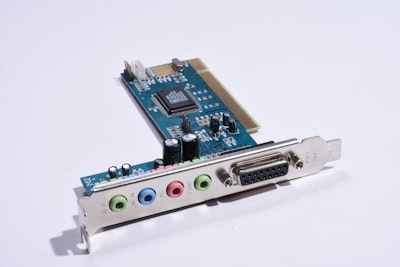
The history of PC sound hardware is marked by milestones that defined entire generations of hobbyists and professionals. Among them, the Gravis Ultrasound (GUS) occupies an almost mythical place: a card that, in the 90s, offered audio quality and hardware mixing capabilities superior to the Sound Blaster of the time, becoming the standard for tracker music composers and game developers. Today, decades later, its spirit is revived thanks to Beavis Ultrasound, an open-source project that clones the original design and adapts it to modern times, offering a unique opportunity to revive that legacy with current components.
Beavis Ultrasound is not a simple replica; is a meticulous reverse engineering exercise that seeks to recreate the GUS's core chipset – the ICS2101 – and its DMA controller, allowing any enthusiast to build their own card or order a made-to-order printed circuit board. The project, hosted on collaborative platforms such as GitHub, includes schematics, component lists, firmware, and drivers, making it a must-have for those working with custom applications in retro or embedded environments. The initiative demonstrates how technical communities can preserve and democratize technologies that would otherwise be relegated to collectors.
From a technical perspective, the Beavis Ultrasound is based on a Spartan-6 FPGA that emulates the behavior of the original chip, along with 4 MB RAM (expandable to 8 MB) and a PCI Express interface (although the original GUS used ISA). This allows it to be installed on modern motherboards, which is crucial for musicians and developers who want to integrate classic sound into contemporary systems. The project has required in-depth work on digital logic and driver development, very similar to that carried out by companies such as Q2BSTUDIO when developing AI for companies or process automation solutions, as it involves thoroughly understanding legacy hardware and translating it into new platforms.
One of the most fascinating aspects of Beavis Ultrasound is its impact on the electronic music and chiptune scene. By offering support for the module formats (MOD, S3M, XM, IT) that made the GUS famous, artists can recreate soundscapes with the warmth and sharpness that only that hardware provides. In addition, the project has inspired other developers to create custom software tools to edit, mix, and render these modules, even integrating AI capabilities to clean recordings or generate harmonic variations.
For IT professionals, this initiative is a case study in how reverse engineering and open source can extend the life of outdated hardware. In Q2BSTUDIO, where we offer AWS and Azure cloud services, we see direct parallels: just as Beavis Ultrasound virtualizes sound hardware in an FPGA, we help companies migrate their workloads to the cloud, optimizing costs and performance. Also in the field of cybersecurity, understanding the firmware of old cards helps to identify vulnerabilities that could be replicated in modern designs.
The community behind Beavis Ultrasound has been able to combine detailed documentation with active discussion forums, where electronics experts and programmers collaborate on improvements. This ecosystem reminds teams that, in corporate environments, they implement business intelligence services and dashboards with Power BI to monitor complex projects. In fact, the traceability of contributions and design versions is an example of well-orchestrated project management.
From a business perspective, the success of Beavis Ultrasound demonstrates that there is a niche but passionate market willing to pay for specialized hardware. Companies such as Q2BSTUDIO, which specialise in bespoke applications, could extrapolate this lesson: offer customised solutions for sectors such as the retro music industry, the restoration of legacy systems or the creation of virtual instruments. Even the AI agents we develop can be integrated to analyze code patterns in similar repositories and suggest automatic improvements.
In conclusion, Beavis Ultrasound is not only an open-source clone of a legendary card, but a testament to how a passion for technology can generate collaborative innovation. For those of us who work every day in software development, artificial intelligence and cloud computing, remembering that the basis of progress is in understanding the past is inspiring. Whether you want to relive the sounds of the '90s or build a robust enterprise solution, the path is the same: research, prototype, and put into production. And if you need support on that journey, at Q2BSTUDIO we are ready to offer you both the technical knowledge and practical experience that projects like this require.
