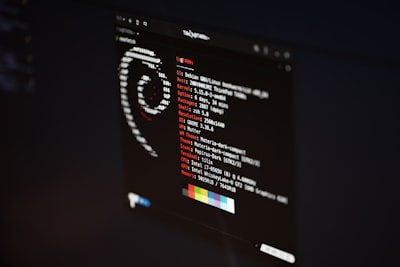
The free software ecosystem has taken a significant step that marks the end of an era: the cessation of mainstream support for the 32-bit x86 architecture in Debian. With the release of Debian 12.15, the latest one-off version of Bookworm, a cycle that began more than two decades ago comes to an end. From now on, users of i386 processors will have to migrate to 64-bit systems or resort to custom kernel builds. This transition not only affects enthusiasts and communities, but also poses challenges and opportunities for companies that still rely on legacy hardware. In this article, we look at the technical implications, business impact, and how modernization can be a catalyst for adopting technologies such as artificial intelligence, cloud, and cybersecurity.
The farewell to Debian in 32 bits is not an isolated event. Distributions such as Ubuntu and Fedora had already dropped support for i386 in recent versions, but Debian, known for its stability and long-term support, was reluctant to take the plunge. The main reason is technical: maintaining compatibility with older architectures places a considerable workload on the development team, especially in a world where 64-bit processors are ubiquitous. In addition, the Linux kernel has progressively removed specific 32-bit drivers and features, making it difficult to ensure security and performance. Debian 13 (Trixie) will require a 64-bit CPU, although it will still allow 32-bit applications to run via multilib packages. For those who insist on using older hardware, the option of compiling your own kernel is still viable, as projects like antiX Linux demonstrate, but this is out of reach for the average user.
From a business perspective, the end of mainstream support for x86-32 means that any organization that still operates servers or workstations with 32-bit processors must plan for a migration. It's not just about updating the operating system, but about reviewing all the applications that depend on that environment. Many companies have legacy software critical to their operations, sometimes developed in-house or by third parties that no longer exist. This is where custom application services come into play. Q2BSTUDIO, as a company specializing in software development, offers solutions to rewrite, modernize or migrate legacy applications to 64-bit platforms, ensuring business continuity without losing functionality. A similar approach to cloud environments: by moving infrastructure to AWS and Azure cloud services, enterprises can decouple from physical hardware and take advantage of the scalability and resiliency offered by these environments.
The fwupd update included in the new versions of Debian—now in version 2.0.20—also deserves attention, especially because of the expiration of Microsoft's 2011 Secure Boot certificates. While the issue doesn't affect computers that don't use Secure Boot, those that have it enabled and haven't restarted in months may encounter crashes when booting. The experts' recommendation is to update the certificates as soon as possible. For businesses, this underscores the importance of keeping cybersecurity as an ongoing process, not a one-time task. Digital signature management, certificate renewal, and configuring boot policies are aspects that many organizations neglect until an incident arises. Q2BSTUDIO offers auditing and hardening services for Linux systems, helping companies comply with security best practices.
Another notable change in these releases is the reversion of the geoip-database package to a 2019 version, due to conflicts between the MaxMind license and the Debian free software guidelines. Although it may seem like a minor detail, it reflects the constant tension between free software and commercial licenses. Many geolocation, traffic analysis, or business intelligence applications rely on these databases. Debian's official recommendation is that users purchase a GeoLite license directly. This opens the door for companies to integrate more robust solutions, such as Power BI-based business intelligence services , which can consume geospatial data from authoritative sources and combine it with other business metrics for rich dashboards. Q2BSTUDIO helps organizations design data architectures that integrate external and internal sources, maximizing the value of information.
The transition from Debian 12 32-bit to Debian 13 64-bit should not be seen only as a technical requirement, but as an opportunity to rethink the company's technology strategy. It's the ideal time to embrace AI for business and explore how artificial intelligence can transform processes. For example, AI agents can automate repetitive system administration tasks, such as monitoring logs or responding to security incidents. Recommendation systems or predictive maintenance can also be implemented on critical infrastructures. All of this requires tailor-made software that is tailored to the specific needs of each organization. Q2BSTUDIO has experience in developing AI solutions integrated with cloud platforms, enabling companies to make the leap to the next generation of systems.
In short, the end of Debian in 32-bit marks a milestone that forces users and companies to modernize. Beyond nostalgia, it's an invitation to abandon outdated hardware and embrace modern, secure, and future-proof architectures. Companies that act early, relying on technology partners like Q2BSTUDIO, will not only avoid compatibility issues, but will lay the groundwork for innovations such as artificial intelligence, advanced analytics with Power BI, and proactive cybersecurity. The message is clear: the future is 64-bit, and migration is the first step towards a deeper digital transformation.