Teleworking is no longer a trend but a consolidated reality in thousands of organizations. However, maintaining productivity and collaboration remotely is no easy task without the right tools. This is where event-driven automation emerges as a strategic lever that not only streamlines workflows, but also drives business sustainability. This approach allows systems to react in real-time to changes, notifications, or user actions, eliminating manual processes and reducing resource consumption. But how exactly does it contribute to making remote work greener and more efficient? Let's take a closer look.
Event-driven automation works like a digital nervous system: when an event occurs—an email, a database update, an application click—a series of predefined tasks are automatically triggered. This eliminates the need for constant human intervention, reduces errors, and speeds up response times. In a remote work context, this ability to react immediately is key to maintaining operational fluidity without relying on unnecessary meetings or physical travel. For example, when an employee completes a task on a project management platform, the system can automatically notify the next assignee, update the status, and generate a progress report. All this happens without anyone having to send emails or print documents.
From an environmental perspective, paper reduction is just the tip of the iceberg. Event-based automation allows you to fully digitize approval flows, signing processes, and internal communications. This not only saves forest resources, but also minimizes the energy used in transporting and storing physical documents. In addition, by integrating intelligent scheduling tools, meetings that do not add value are eliminated, reducing connection time and, therefore, the energy consumption of servers and devices. Built-in analytics can measure exactly how much CO2 has been avoided thanks to these optimizations, providing tangible metrics for corporate sustainability reporting.
Another fundamental aspect is the management of assets in distributed teams. Event-driven automation allows you to track the usage of computers, software licenses, and shared workspaces. When a remote employee no longer needs a resource, the system automatically releases it, preventing waste. It also makes it easier to book virtual or physical meeting rooms according to real demand, optimizing the energy consumption of offices. Even workplace wellness programs can be integrated: an event like 'employee has been sitting 4 hours' can trigger a guided active break or hydration reminder, promoting healthy habits without manual intervention.
To implement such an architecture, companies need robust platforms that integrate with their existing systems. This is where Q2BSTUDIO, a software and technology development company specialising in intelligent automation solutions, comes into play. Its focus on process automation allows it to connect disparate applications, orchestrate complex flows, and ensure that each event has an appropriate response. The company also offers custom applications designed to adapt to the unique workflows of each organization, whether it is to manage incidents, approve expenses or coordinate remote teams. These solutions are built with modern technologies that include artificial intelligence and AI agents capable of learning from usage patterns and anticipating needs.
Cybersecurity is another critical pillar in remote work. By automating responses to security events—such as a suspicious access attempt or patch update—you reduce the threat exposure window. Q2BSTUDIO integrates advanced security protocols into its systems, and offers cybersecurity and pentesting services to ensure that automation does not generate vulnerabilities. In addition, its infrastructure is supported by AWS and Azure cloud services, which provides scalability and resiliency without the need for large investments in local hardware. This is especially valuable for remote teams that require fast and secure access to data from any location.
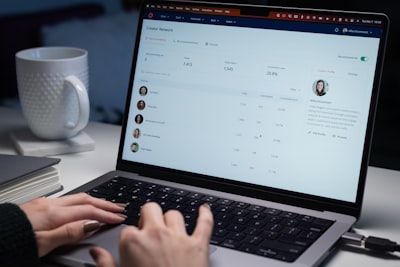
In the decision-making arena, event-driven automation is combined with business intelligence services to deliver dynamic dashboards that are updated in real-time. For example, when a sales team closes a deal, the system can automatically update a Power BI dashboard, reflecting revenue, commissions, and projections. This eliminates the need for manual reporting and allows managers to make decisions based on fresh data. AI for business further enhances this capability: intelligent agents can suggest corrective actions, predict bottlenecks, or even automate responses to frequently asked questions from employees, freeing up time for higher-value tasks.
The sustainability of remote work is not limited to the environment; It also covers operational and financial sustainability. By reducing staff turnover through better collaboration and wellbeing tools, companies save on recruitment and training costs. Event-driven automation also facilitates regulatory compliance by recording every action immutably, generating clear audit trails. For companies operating in multiple time zones, the ability to execute scheduled or reactive tasks 24/7 without human intervention is a competitive differentiator.
Ultimately, event-based automation isn't just a matter of technical efficiency: it's a comprehensive strategy to make remote work a more accountable, agile, and measurable model. Companies like Q2BSTUDIO are leading this transformation by providing bespoke software that integrates all of these capabilities into a coherent ecosystem. Whether it's by implementing AI agents to manage incidents, migrating to AWS and Azure cloud services to ensure availability, or creating Power BI dashboards that visualize the environmental impact of remote operations, technology is ready to accompany organizations on their path to a more sustainable future. The question is no longer whether to adopt event-based automation, but how to do it intelligently and aligned with business and planetary goals.