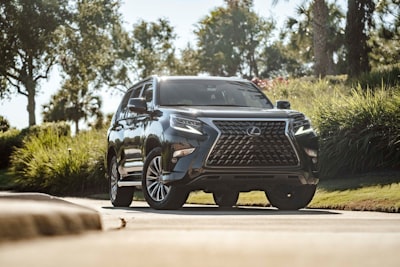
In a market where three-row SUVs have climbed prices steadily, finding a new vehicle that combines space for seven passengers with a price tag of less than $30,000 has become a real rarity. Most popular models start above 40,000, leaving families on tight budgets with few real options beyond the second-hand market. However, there is one model that defies the trend: an entirely new three-row SUV that is offered for less than $30,000, proving that accessibility is still possible in the family segment.
This vehicle, although it does not have the luxury of its more expensive competitors, offers just the essentials for the daily transport of a large family. Its base price includes three rows of seats, basic driver assistance systems and a warranty that supports the investment. The trade-offs are obvious: simpler interior materials, less engine power and a smaller infotainment screen. However, for those who prioritize cost over extras, these waivers are perfectly acceptable. The key is to understand what is really needed and what can be left out without compromising security or functionality.
The phenomenon is not isolated. The automotive industry is facing increasing pressure to offer affordable vehicles amid raw material inflation, electric rig development costs, and environmental regulations. Manufacturers have responded by segmenting their ranges, and this three-row SUV represents the gateway to the category. But beyond the purchase decision, there is a technological background that is transforming the way these vehicles are designed, produced and marketed.
Software and technology companies play a crucial role in this transformation. Q2BSTUDIO, for example, is a firm specializing in the development of digital solutions that help dealerships, manufacturers and mobility companies optimize their operations. Through custom applications, it is possible to manage inventories, customize vehicle configurations, and improve the online customer experience. A bespoke software system can integrate data from multiple sources to predict demand for models like this economy SUV, adjusting production and prices in real-time.
Artificial intelligence is also revolutionizing the sector. Artificial intelligence algorithms for companies make it possible to analyze purchasing patterns, consumer behavior and market trends. AI agents can automate customer service on sales platforms, helping shoppers find exactly the SUV they need without leaving home. Likewise, cybersecurity has become essential in an environment where vehicles are increasingly connected. Protecting user data and infotainment systems is a priority that Q2BSTUDIO addressed with security audits and pentesting services.
On the operational level, AWS and Azure cloud services provide the infrastructure needed to store and process large volumes of information, from vehicle telemetry to sales data. Without a robust cloud, it would be impossible to scale the digital solutions required by a modern dealership. In addition, business intelligence services such as Power BI allow you to visualize key performance indicators in real time, such as inventory turnover or profitability by model. A dealership using Power BI can quickly identify which versions of this three-row SUV sell best and adjust their marketing strategies and discounts.
From a business perspective, the ability to offer a new SUV for less than $30,000 depends not only on the manufacturer, but on the entire technology value chain that supports it. Process optimization through automation, integration of AWS and Azure cloud service systems, and advanced data analytics are tools that make the difference between a vehicle that reaches the market at a competitive price and one that fails to overcome cost barriers.
For the end buyer, the decision to acquire this SUV involves evaluating the trade-offs. However, technology also helps here: mobile apps and AI-based comparison platforms can recommend the exact model that meets each family's needs. It is even possible to simulate financing and maintenance costs with tools developed by companies such as Q2BSTUDIO, which focus on creating custom applications for both the consumer and the business.
In conclusion, this three-row SUV under $30,000 is much more than a vehicle: it is an example of how collaboration between the automotive industry and the technological ecosystem makes it possible to maintain accessible options in a market that tends towards exclusivity. As long as prices continue to rise, innovation in software, artificial intelligence and cloud services will be the key to democratizing family mobility. And companies like Q2BSTUDIO are at the heart of that transformation, offering the digital tools that make both efficient manufacturing and smart shopping possible.