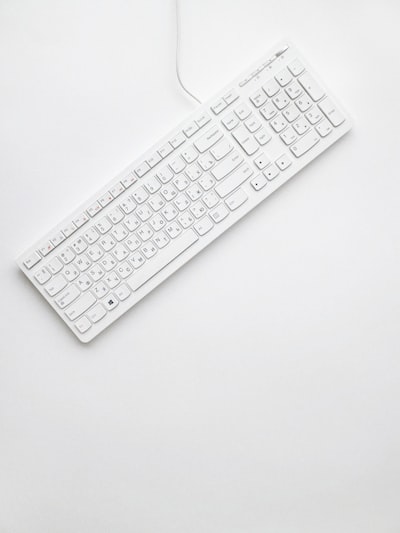
Digital accessibility has gone from being a secondary consideration to becoming a strategic pillar for companies and developers. When it comes to computer interaction, the keyboard is still the most universal device, but not all users use it in the same way. For millions of people with motor, visual or cognitive disabilities, the keyboard is not an option: it is the only possible way. That's why the inclusive design of interfaces and tools that simulate keyboard behavior is essential not only to comply with regulations, but also to ensure equal opportunities in the digital environment.
In the current context, where custom applications and custom software allow each solution to be adapted to the real needs of users, accessibility must be integrated from the prototyping phase. An accessible keyboard simulator, for example, allows designers to check how key states, lock indicators, or contrasts are displayed for people with low vision. These types of tools, when developed openly and locally, offer a secure environment for testing without leaking sensitive data, something that is especially relevant in the field of cybersecurity and privacy protection.
Artificial intelligence is transforming the way we understand accessibility. AI agent systems can learn typing patterns and automatically adjust keyboard sensitivity, activate sticky key mode, or filter out unintentional keystrokes. These functionalities, which previously required manual configuration, can now be automated using predictive models. At Q2BSTUDIO, we integrate these capabilities into our bespoke application solutions, creating products that dynamically adapt to the user and not the other way around.
The use of cloud technologies has also democratized access to accessibility testing tools. Platforms hosted on AWS and Azure cloud services allow you to run keyboard simulations on multiple devices and operating systems without the need for on-premises infrastructure. This is vital for distributed teams that need to validate that their interfaces are inclusive. In addition, the AI for companies that we developed at Q2BSTUDIO facilitates the automatic generation of accessibility reports based on these simulations, saving time and resources.
Another key aspect is the real-time display of keyboard states. Features such as Sticky Keys, Filter Keys, or Toggle Keys modify input invisibly to the average user, but are critical for those who rely on them. A simulator that reflects these changes with visual indicators, 3D zoom, and high-contrast themes becomes an indispensable debugging tool. Developers can then detect interaction errors before they reach production, improving the final experience.
From a business perspective, investing in accessibility is not only an ethical issue, but also an economic one. The global market for people with disabilities represents more than one billion potential consumers. Companies that design inclusive products expand their user base and avoid legal risks associated with digital discrimination lawsuits. Business intelligence, through tools such as Power BI, makes it possible to analyze usage metrics and detect abandonment patterns in users with special needs. At Q2BSTUDIO we offer business intelligence services that help organizations make data-driven decisions about their accessibility strategies.
Process automation also plays an important role. Repetitive accessibility tests can be run using automated scripts, verifying that each new version of the software maintains inclusive standards. This is combined with AI agents that continuously monitor the interface and suggest improvements. Cybersecurity, on the other hand, ensures that the data collected during these tests—such as custom keyboard configurations—is protected from unauthorized access.
Ultimately, inclusive keyboard tool design is not a luxury, but a technical and business necessity. Every keystroke counts, and every user deserves a smooth experience. At Q2BSTUDIO we understand that custom software must be built with human diversity in mind, and that is why we integrate accessibility, artificial intelligence and cloud computing into each project. Technology must not only advance; it must do so without leaving anyone behind.