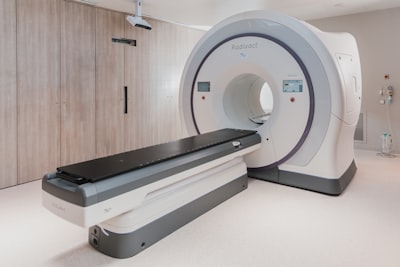
Arrhythmogenic left ventricular cardiomyopathy (ALVC) is a genetic disease of the myocardium that presents a considerable diagnostic challenge due to the absence of gold standard criteria. Traditionally, cardiologists rely on a combination of imaging techniques, such as cardiac magnetic resonance imaging (MRI) and positron emission tomography (PET), to evaluate the structure and function of the heart. However, the interpretation of these multimodal data remains subjective and highly dependent on the specialist's experience. In this context, unsupervised learning strategies offer a promising avenue to automate the detection of anomalous patterns, reduce interobserver variability, and facilitate earlier and more accurate diagnosis.
The approach described in recent studies proposes a clustering workflow of multimodal PET/MRI data. Instead of analyzing each modality separately, T1, T2, delayed gadolinium enhancement (LGE), and 18F-FDG-PET images are integrated into a single volume for each patient. These volumes are normalized by Z-scores and divided into supervoxels, three-dimensional units that represent homogeneous regions of the myocardium. Subsequently, through a second level of spectral clustering, groups of supervoxels that share similar characteristics are identified across the patient population. Each cluster is assigned an 'anomaly' score based on the deviation from the mean values of the modalities, allowing heat maps to be generated of regions likely affected by fibrosis or inflammation.
This method not only reduces the dimensionality of the data, but also allows for the automated creation of textual reports and graphs (such as bullseye diagrams) that summarize each patient's status. Comparative evaluations with expert cardiologists showed a balanced accuracy of 76% in repeated nested cross-validation, and greater than 80% in simulated cohorts. This shows that unsupervised learning can match – and even surpass in consistency – the human ability to identify pathological myocardial regions, especially when it comes to subtle patterns of early disease.
From a technical perspective, the implementation of this type of solution in real clinical environments requires a robust, scalable and secure software infrastructure. This is where companies like Q2BSTUDIO play a crucial role. The development of custom applications for the analysis of medical images allows the algorithms to be adapted to the specific needs of each hospital or research center. Moreover, the integration of artificial intelligence into these systems is not limited to image processing: AI agents can take care of workflow orchestration, from data acquisition to reporting, freeing up valuable time for clinicians.
The nature of PET/MRI data involves large volumes of information that must be stored and processed efficiently. Therefore, the use of AI for companies in the healthcare sector is often complemented by AWS and Azure cloud services. These platforms offer elasticity to handle processing spikes, such as those generated by spectral clustering on hundreds of patients, as well as regulatory compliance for sensitive data. Cybersecurity is also a fundamental pillar: any system that handles medical records must comply with standards such as HIPAA or GDPR, and Q2BSTUDIO integrates pentesting and hardening practices into its developments to guarantee the confidentiality of the information.
Beyond the diagnosis, the information generated by these clustering models can be exploited through business intelligence services. For example, by aggregating the anomaly scores of a population, hospital managers can identify epidemiological trends or evaluate the effectiveness of treatments. Tools such as Power BI allow this data to be visualized in dynamic dashboards, facilitating evidence-based decision-making. Q2BSTUDIO develops bespoke software solutions that directly connect the results of AI algorithms with Business Intelligence dashboards, offering a unified view of a cohort's heart health status.
Process automation is another key benefit. Instead of radiologists manually segmenting regions of interest, the system can automatically detect anomalous clusters and generate preliminary reports. This not only speeds up workflow, but also reduces human error. Companies such as Q2BSTUDIO have implemented similar solutions in other healthcare domains, demonstrating that the transfer of unsupervised learning methodologies to productive environments is feasible as long as you have a technology partner that understands both the clinical domain and the complexities of custom software.
In conclusion, the application of unsupervised learning strategies to multimodal cardiac PET/MRI data represents a significant advance in the characterization of myocardial heterogeneity in patients with ALVC. The combination of clustering, supervoxels, and anomaly scores allows for automated, objective, and reproducible interpretation that complements cardiologists' visual assessment. For these innovations to reach the patient, it is essential to have adequate technological infrastructure, and here Q2BSTUDIO offers experience in the development of custom applications, artificial intelligence and cloud services that make the clinical adoption of these tools possible. The future of cardiac diagnosis undoubtedly lies in the integration of artificial intelligence with medical practice, and software development companies are the necessary bridge to make it a reality.