
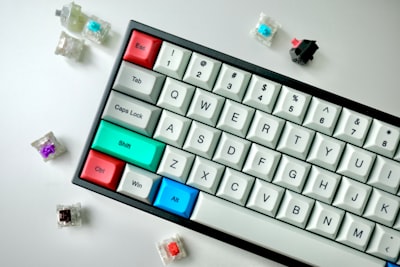
OpenAI's recent launch with Codex Micro has opened a new chapter in the interaction between humans and AI systems. This device, an RGB macropod designed to control AI agents, represents a significant evolution in the way professionals and businesses can manage automated workflows. Codex Micro is not simply a conventional macro keyboard; it integrates visual programming capabilities that allow complex tasks to be assigned to AI agents with a single button. For the business world, this means the possibility of reducing the friction between human intent and automated execution, especially in environments where speed and accuracy are critical.
The idea of a physical control for AI agents is not new, but Codex Micro takes it to a practical level. By combining a backlit touch interface with the ability to connect directly to language model APIs, this device allows users to launch queries, initiate data analysis processes, or even trigger complex simulations without having to write code or navigate multiple applications. In the context of digital transformation, companies are constantly looking for ways to integrate artificial intelligence more naturally into their daily operations. That's where solutions like those offered by Q2BSTUDIO play a key role.
Q2BSTUDIO, as a software and technology development company, understands that the adoption of AI agents requires more than just consumer tools. Deploying these systems at the corporate level involves developing enterprise AI that is scalable, secure, and seamlessly integrated with existing infrastructure. Codex Micro may be the visible end of the iceberg, but behind it are needed robust backend architectures, AWS and Azure cloud services to host models, and bespoke applications that orchestrate communication between the device and the company's internal systems.
One of the most interesting aspects of Codex Micro is its ability to adapt to different roles. A business analyst could set it up to pull reports from Power BI with a single click, while a developer could assign macros that run automated tests or cloud deployments. This flexibility is made possible by the tailor-made software approach, where each company defines which tasks should be automated and how they should be performed. At Q2BSTUDIO, we work with organizations to design these workflows, ensuring that interaction with AI agents is not only efficient but also secure. Cybersecurity becomes an essential pillar, as AI agents can access sensitive data and must be protected against unauthorized access.
The launch of Codex Micro also raises questions about the future of human-machine interface. While voice assistants and graphical interfaces have dominated, specialized physical devices like this offer tactile feedback that many users find more intuitive. For businesses that rely on execution speed, such as in algorithmic trading or trading centers, an RGB backlit macropod can be the difference between a second and a fraction of a second. The integration with process automation is straightforward: each button can trigger a chain of automated actions, from data extraction to reporting.
From a technical perspective, Codex Micro uses an open API that allows developers to customize their behavior. This opens the door for software development companies such as Q2BSTUDIO to create extensions and add-ons that connect the device with business platforms such as ERPs, CRMs or Business Intelligence systems. Business intelligence services, such as Power BI, benefit greatly from this interaction, allowing executives to gain key metrics with a single tap. In addition, the ability to integrate AWS and Azure cloud services ensures that AI agents can scale on demand, without sacrificing performance.
Another relevant aspect is training and adoption by employees. A device like Codex Micro reduces the learning curve associated with complex AI tools. Instead of having to learn specific programming languages or commands, users can assign macros to physical buttons. This democratizes access to artificial intelligence within organizations, allowing non-technical profiles to also take advantage of the benefits of automation. Q2BSTUDIO offers consulting services in this area, helping companies design custom applications that align with their processes and organizational culture.
We cannot ignore the aesthetic and marketing component that Codex Micro brings. RGB backlighting isn't just an ornament; It allows the functions of each button to be visually coded, improving usability in low-light environments. But beyond the visual, the important thing is that this device symbolizes a trend: hardware as a direct interface for AI. Companies that want to stay competitive will need to evaluate how to integrate these tools into their workflows. That's where having a technology partner like Q2BSTUDIO makes the difference, as we offer comprehensive solutions that cover everything from custom software development to the implementation of cloud infrastructure and cybersecurity measures.
In conclusion, OpenAI's Codex Micro isn't just a flashy gadget; It's an indicator of where interaction with artificial intelligence is headed. For companies, it represents an opportunity to streamline processes, reduce errors and empower their teams. However, to realize its full potential, you need to have a solid foundation of custom applications, cloud services, and AI strategies. Q2BSTUDIO is prepared to accompany organizations on this path, offering expertise in artificial intelligence for companies, process automation and custom software development. The future of AI agents is here, and controlling them can be as simple as pressing a button.

