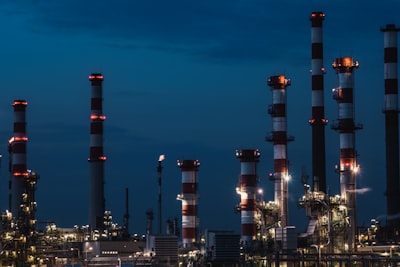
Elon Musk has taken a strategic step by investing around $1 billion in APR Energy, a company specializing in mobile energy solutions, with the aim of powering the infrastructure of his artificial intelligence company xAI. This acquisition not only reveals the magnitude of the resources needed to compete in the field of generative AI, but also brings to the table a critical challenge: the energy consumption of data centers that train models like Grok. As tech companies struggle to secure computing power, Musk is betting on controlling the energy source itself, a move that redefines the relationship between artificial intelligence and physical infrastructure.
APR Energy is known for its modular gas turbines that can be installed quickly to supply electricity to areas with urgent demand. In the context of xAI, this capability is ideal for powering clusters of GPUs that require electricity constantly and massively. The purchase reflects a global trend: Cloud giants such as Amazon, Microsoft and Google are already investing in renewable energy for their data centers, but Musk is taking the strategy a step further by acquiring a full-fledged vendor. The decision has profound implications for the development of artificial intelligence, as it eliminates one of the most pressing bottlenecks: the availability of energy on a large scale.
From a business perspective, this move underscores that AI for business is not limited to algorithms and models; it requires a solid foundation of infrastructure, including AWS and Azure cloud services that offer scalability, but also a reliable power supply. Organizations looking to adopt artificial intelligence must consider not only the software as they deploy, but also how to ensure their systems are running smoothly. This is where companies like Q2BSTUDIO come into play, providing solutions that integrate everything from AI agents to advanced analytics platforms, always with a practical and results-oriented approach.
Musk's investment in APR Energy also illuminates the growing importance of cybersecurity in AI environments. A data center powered by mobile turbines requires additional protections to prevent sabotage or cyberattacks that can paralyze operations. Companies that develop custom applications for artificial intelligence must incorporate security measures by design, and pentesting services become indispensable. Similarly, the optimization of processes through business intelligence services such as Power BI allows real-time monitoring of energy and computational performance, maximizing efficiency.
The case of xAI and APR Energy exemplifies how the boundary between technology and energy is blurring. For companies looking to implement AI for business, the lesson is clear: technical and strategic readiness is key. From selecting AWS and Azure cloud services to building custom software to suit specific needs, every element counts. Q2BSTUDIO offers just that: an ecosystem of services that ranges from custom application development to the implementation of AI agents and dashboards with Power BI, all with a focus on cybersecurity and automation. Thus, while Musk builds his energy empire for AI, SMEs and large corporations can rely on artificial intelligence experts to make the digital leap without losing sight of the fundamentals.
In conclusion, the $1 billion that Elon Musk has allocated to APR Energy is not just a corporate purchase, but a sign of where the industry is headed. Artificial intelligence, in its next phase, will demand deep integration with energy and data infrastructure. Those who prepare today – with cloud services, tailored software, cybersecurity and business intelligence – will be better positioned to take advantage of the opportunities that the future will bring. And on that path, having technological allies like Q2BSTUDIO makes the difference between simply adopting AI and really mastering it.