
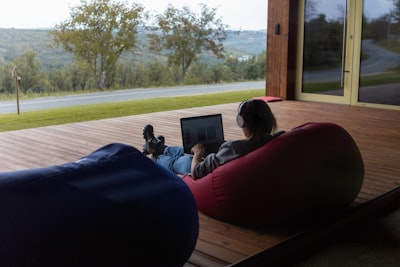
Remote work is no longer a temporary solution but a strategic pillar of many organizations. However, sustaining it in the long term requires more than just an internet connection and a video call: it requires efficient, intelligent and environmentally friendly processes. This is where hybrid automation comes into play, combining RPA (Robotic Process Automation) with artificial intelligence, an approach that not only streamlines operations, but also enhances the sustainability of distributed teams. Companies such as Q2BSTUDIO, specialized in software and technology development, design tailor-made solutions to make this integration really effective.
The key to hybrid automation lies in its ability to deal with both structured tasks—such as data entry or reporting—and those that require contextual understanding, such as email analysis or document interpretation. By bringing RPA and artificial intelligence together, much wider coverage is achieved than with each technology alone. And this approach has a direct impact on the sustainability of remote work: by eliminating manual and repetitive processes, unnecessary commuting is reduced, paper consumption is minimized, and the use of digital resources is optimized.
One of the most tangible contributions is the complete digitization of workflows. With custom software powered by AI agents, companies can automate approvals, document submissions, and database updates without human intervention. Not only does this speed up processes, but it reduces the need for physical deliveries or face-to-face meetings to validate steps. In addition, artificial intelligence makes it possible to schedule activities intelligently: the systems analyse the workload and propose schedules that avoid superfluous meetings, thus reducing the energy consumption associated with long video conferences and travel.
Another decisive aspect is the measurement of environmental impact. Analytics tools, such as Power BI integrated into automation platforms, make it possible to quantify the carbon emissions saved through remote collaboration. By having dashboards that show sustainability indicators, companies can make informed decisions and communicate their ecological commitment to customers and employees. In this context, Q2BSTUDIO offers business intelligence services that integrate naturally with automated processes, providing real-time visibility into environmental performance.
Asset management also benefits. In a remote environment, shared resources—such as virtual offices, cloud subscriptions, or computers—must be allocated efficiently. Hybrid automation systems can track the usage of each resource and recommend reallocations, avoiding waste. For example, a bot can detect that a coworking space is underused and suggest its release, reducing costs and carbon footprint. All this is supported by robust technological infrastructures such as AWS and Azure cloud services, which Q2BSTUDIO implemented to guarantee scalability and security.
We cannot forget the human factor. The sustainability of remote work is not only environmental, but also social. Hybrid automation can incorporate wellness programs into daily flows: reminders for active breaks, anonymous stress surveys, or alerts about excessive hours. Integrating these elements into work software helps prevent burnout and encourages a healthy balance. Cybersecurity plays a crucial role here: when processing personal and health data, companies must protect information through advanced protocols. Q2BSTUDIO offers cybersecurity and pentesting services to shield these systems, ensuring that efficiency does not compromise privacy.
Another pillar is the automation of more complex processes using AI agents that learn from human interactions. These agents can, for example, manage IT incidents autonomously, triage tickets according to urgency or even write personalized responses. By freeing employees from routine tasks, productivity is increased and the need for parallel tools is reduced, which in turn decreases digital energy consumption. The enterprise AI developed by Q2BSTUDIO adapts to every industry, from logistics to financial services, making remote work not only possible, but optimal.
In short, RPA and AI hybrid automation transforms remote work into a sustainable model at all levels. Automating processes with custom software is the first step to achieving that efficiency without sacrificing quality of life or the environment. And when combined with artificial intelligence, the possibilities multiply: from predicting resource needs to optimizing schedules autonomously. Artificial intelligence solutions for Q2BSTUDIO companies are designed to integrate into existing infrastructure, leveraging cloud services and generating measurable value. Thus, remote work is no longer a logistical challenge but a competitive advantage aligned with global sustainability.


