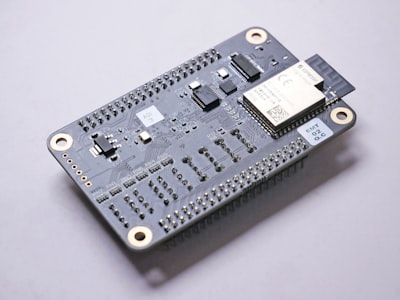
In today's web browsing ecosystem, ad blockers have become an almost indispensable tool for many users. However, a recent hardware project has taken this idea to the next level: a hacker has designed an ESP32-based dongle capable of blocking ads across the local network using a list of 537,000 domains. This small, inexpensive device connects directly to the router and acts as a custom DNS filter, intercepting requests to advertising and tracking servers before they reach the browser. The technical feat, in addition to being a shining example of reverse engineering and resource optimization, opens an interesting debate about privacy, user autonomy and the possibilities of low-cost hardware in the world of cybersecurity.
The fascinating thing about this development lies not only in its technical capacity, but also in how a microcontroller of just a few euros can handle a database of more than half a million entries with minimal latency. The creator optimized the ESP32's flash memory storage, compressing the domains through hashing and using efficient search algorithms. This shows that with creativity and knowledge, hardware limitations can be overcome. For enterprises, these types of innovations underscore the importance of investing in bespoke applications that solve specific problems, whether in network, IoT, or perimeter security environments. The ability to customize software down to the firmware level is a competitive advantage that many organizations do not yet exploit.
From a business perspective, the rise of hardware-level ad blockers like this dongle poses a challenge to digital advertising-based business models. But it also offers valuable lessons for IT departments and technology consultancies. Data privacy and protection against trackers are growing demands among consumers, and companies that offer robust solutions in this area will gain the trust of their customers. This is where cybersecurity services come into play, which allow networks to be audited, vulnerabilities to be identified and effective countermeasures to be deployed, either through specialized hardware or through cloud platforms. In fact, many of the techniques used in this dongle (DNS filtering, regularly updated blacklists) are the same as those employed by professional managed security solutions.
The impact of this project goes beyond mere ad blocking. We are talking about a device that can serve as a starting point to implement parental controls, restrict access to malicious sites or even monitor network traffic in educational environments and small businesses. The versatility of the ESP32 allows you to add functionalities through OTA updates, integration with sensors or real-time dashboards. For those working with AWS and Azure cloud services, blocklists can be synchronized from an S3 bucket or cloud database, combining the power of edge computing with the scalability of the cloud. This synergy between low-cost hardware and cloud services is a fertile field for innovation.
On the other hand, managing large volumes of data, such as the 537,000 rules in this dongle, requires a smart approach to storage and processing. The compression and hashing techniques used are reminiscent of those implemented in artificial intelligence systems to optimize lightweight models on embedded devices. Enterprise AI is moving toward more efficient models that can run at the edge of the network, reducing reliance on the cloud and improving latency. Projects like this dongle are a perfect testbed for exploring how AI agents can make filtering decisions based on traffic patterns, rather than predefined lists.
From a data analytics perspective, network traffic that is captured (or blocked) can be a mine of information for marketing, security, or compliance departments. Business intelligence services such as Power BI can integrate feeds from these devices to generate dashboards on threats, browsing patterns, or application usage. Let's imagine a small business that deploys several ESP32s in its branches and centralizes logs in Azure; with the right Business Intelligence tools, you could proactively detect anomalies.
Building such a dongle does not require a network expert, but it does require solid knowledge of microcontroller programming, DNS protocols, and computer security. For those who wish to bring this concept to a productive environment, Q2BSTUDIO offers consulting and custom software development that integrates custom hardware with cloud platforms. Our team can help you design a similar product but geared to your specific business needs, whether it's filtering content, protecting the network from DNS attacks, or collecting telemetry data. In addition, we combine these capabilities with artificial intelligence services so that the system learns from traffic patterns and adapts dynamically, minimizing false positives.
In conclusion, the ad-blocking dongle with ESP32 and 537,000 domains is much more than a technical curiosity: it is an example of how the democratization of open-source hardware and software allows anyone to build powerful and inexpensive cybersecurity tools. For companies, it represents an opportunity to reflect on their own strategies for data protection, resource optimization, and adoption of emerging technologies. At Q2BSTUDIO we believe that innovation is born from the intersection of technical knowledge and business acumen, and we're ready to accompany you on that journey, whether it's developing custom applications, deploying cloud solutions, or deploying AI agents at the edge of your network.