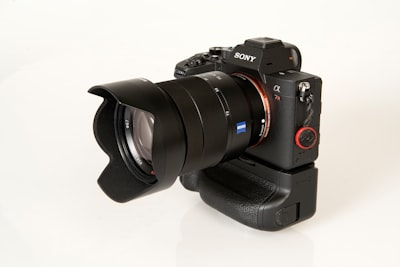
In the world of professional photography, every gram of equipment counts, but so does the peace of mind of knowing where each piece is. Losing a camera or lens is not only a high financial cost but can ruin a shoot or an entire project. That is why many photographers turn to trackers like Apple's AirTag or similar alternatives. However, the way to attach them is often makeshift: hanging from the strap, taped on, or stuffed into bags not designed for it. Peak Design, known for its modular solutions for camera gear, has launched on Kickstarter its new Field Bracket, a system that promises to integrate the tracker directly into the camera body, securely, discreetly, and professionally.
The Peak Design Field Bracket is an anodized aluminum mount that attaches to the camera's accessory shoe or any standard tripod thread, offering a firm anchor point for an AirTag (or any compatible tracking device). The idea is elegantly simple: instead of having a dangling object that snags or gets in the way, the bracket holds the tracker flush with the camera body, without interfering with handling or storage. It includes a rotating adapter that allows the AirTag to be hidden or left visible as preferred, and its rugged design withstands the rigors of daily outdoor use.
From a technical perspective, the Field Bracket not only solves an ergonomic problem but opens the door to new ways of managing equipment inventory. In a professional studio or a camera rental company, knowing in real time which cameras are in use, which are stored, or which have been sent for repair can make the difference between an efficient business and a chaotic one. This is where broader software solutions come into play: the location data generated by these devices can be integrated into asset management platforms and combined with cloud services such as AWS or Azure to store and process information scalably.
Imagine a freelance photographer who works with multiple cameras and lends them to assistants. A cloud-based system could collect signals from each Field Bracket, geolocate them, and generate alerts if a device leaves a permitted area. This not only prevents losses but also allows usage auditing. For a repair lab, traceability of each device becomes almost mandatory. And this is where custom software development takes center stage: building an interface that displays a real-time map, with movement history and push notifications, requires programming skills, databases, and experience in hardware integration.
At Q2BSTUDIO, as a software development and technology company, we understand that innovation in hardware (like the Field Bracket) must be accompanied by a software layer that extracts its full value. For example, we can design a Business Intelligence (BI) dashboard with Power BI that consolidates location data from all equipment, showing usage indicators, idle times, and frequent routes. This information helps make decisions about purchases, maintenance, or logistics. Moreover, artificial intelligence (IA) can apply Machine Learning algorithms to predict when a device needs servicing based on movement patterns or recorded environmental conditions.
Cybersecurity is also a critical factor when handling geolocation data. Any platform that collects this data must ensure information is not intercepted or tampered with. Implementing encryption protocols, multi-factor authentication, and periodic audits is part of the services we offer to protect our clients' digital assets. It is not just about tracking a camera, but doing it securely, in compliance with regulations like GDPR.
Another emerging concept is that of AI agents: small autonomous programs that can act on behalf of the user. For example, an agent could constantly monitor the signal from a Field Bracket and, if it detects the camera has crossed a virtual perimeter, automatically email the responsible person, remotely block certain access, or even generate a recovery work order. Combining location hardware with intelligent software turns a simple accessory into a piece of a complete digital ecosystem.
The launch of the Field Bracket by Peak Design is a reminder that sometimes the best innovations are those that solve everyday problems elegantly. But the real potential is unleashed when we connect those devices with advanced information systems. Whether you are an independent photographer or manage a fleet of equipment, considering a comprehensive solution that includes custom software development will allow you to optimize resources, reduce losses, and make data-driven decisions.
In summary, Peak Design offers a robust and well-designed physical mount; the next step is building the software to leverage it. At Q2BSTUDIO, we are ready to take on that challenge, offering everything from multiplatform applications to cloud dashboards and AI agents. Your camera will never get lost again, and if it does, you will know exactly where to find it.