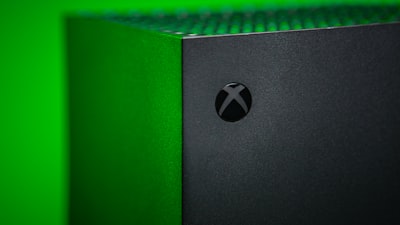
Microsoft has taken a step forward in its video game ecosystem integration strategy by announcing Xbox backward compatibility for PC and laptops. This decision, which allows games from previous Xbox generations to run directly on Windows devices, not only expands the available catalog for players but also opens new opportunities for developers and technology companies. The measure, combining local emulation with cloud streaming, aims to eliminate barriers between platforms and consolidate Windows as the gaming hub.
From a technical perspective, backward compatibility on PC and laptops involves complex software adaptation. Titles originally designed for Xbox hardware must be reinterpreted by emulation layers that translate console instructions to PC resources. Microsoft has invested in virtualization engines and driver optimization to ensure stable performance, even on mid-range equipment. However, the real challenge lies in managing digital rights and synchronizing user profiles between console and PC, an area where the cloud plays a crucial role.
The business impact of this move is significant. For Microsoft, it fosters loyalty among users who value portability of their game library, while also incentivizing purchases of Windows hardware or Game Pass subscriptions. For independent developers, backward compatibility gives a second life to titles that would otherwise become obsolete, while large studios can explore re-release strategies with minor graphical enhancements. In this context, the need for custom development tools becomes evident. Companies looking to integrate backward compatibility solutions or create tailored gaming platforms can turn to experts in custom software, such as Q2BSTUDIO, which offers cross-platform application development services for gaming and enterprise environments.
Furthermore, backward compatibility on PC opens new avenues for artificial intelligence. AI agents can analyze player behavior to recommend compatible titles, dynamically adjust graphical settings, or even create virtual assistants that guide users through emulation setup. Integrating AI agents into this ecosystem not only improves user experience but also allows developers to collect valuable data on performance and preferences. Q2BSTUDIO, as a company specialized in artificial intelligence, helps implement these systems securely and efficiently, leveraging machine learning models specifically trained for game analysis.
Another key aspect is cybersecurity. Running old games on modern systems introduces potential vulnerabilities that attackers can exploit, especially if titles include network components or online service connections. Microsoft has reinforced its security layer through periodic updates and sandboxing, but companies developing complementary tools or proprietary emulators must ensure user data protection. The cybersecurity services offered by Q2BSTUDIO, including penetration testing and code audits, are essential to guarantee that any backward compatibility solution does not become an attack vector.
The cloud plays a fundamental role in this initiative. Backward compatibility is not limited to local execution; Microsoft has also enabled streaming games from Azure servers, allowing users with limited hardware to enjoy Xbox titles without needing a console. This hybrid model (local + cloud) requires a robust and scalable infrastructure. Companies wishing to build their own streaming or emulation platforms can benefit from AWS or Azure cloud services, with customized solutions ensuring low latency and high availability. Q2BSTUDIO, experienced in cloud AWS/Azure, advises on migration and optimization of cloud environments for gaming applications, including deploying geographically distributed servers.
In the business intelligence realm, backward compatibility generates a data avalanche: which games are played most, on which hardware, with what error rates, playtime, etc. BI/Power BI tools allow product teams to analyze these metrics and make informed decisions about which titles to prioritize in future updates or marketing campaigns. Q2BSTUDIO implements interactive dashboards that integrate data from multiple sources, from emulation logs to user telemetry, facilitating strategic decision-making based on real data.
Finally, process automation becomes an ally in managing the vast library of backward-compatible games. From compatibility validation to automatic patch generation, workflows can be optimized through scripts and automation tools. Q2BSTUDIO develops automation solutions that reduce manual intervention and speed up the release of new titles, allowing studios to focus on content creation rather than repetitive tasks. In summary, Microsoft's announcement not only transforms the player experience but also creates an ecosystem of opportunities for technology companies willing to innovate with custom applications, artificial intelligence, and cloud computing. Q2BSTUDIO positions itself as a strategic partner to tackle these challenges, combining technical expertise with a business-oriented approach.