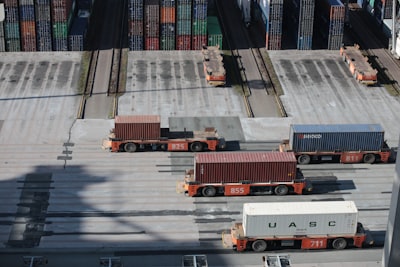
Modern logistics is reaching a tipping point where artificial intelligence algorithms begin making decisions previously reserved for human managers. Delegating carrier selection to agents based on large language models (LLMs) promises efficiency but also introduces systemic risks that deserve careful analysis. A recent study on freight markets revealed that when fifty LLM agents — built on platforms such as GPT, Claude, and Gemini — negotiate truck capacity for thirty days, the concentration of requests on a single carrier can reach 76% from day one. This phenomenon, which we call “algorithmic convergence”, has profound implications for market resilience, competition, and transparency.
From the perspective of a software and technology development company like Q2BSTUDIO, understanding how algorithmic decisions affect logistics ecosystems is vital for designing robust platforms. The research simulated a freight market with typical digital freight matching rules: waterfall tendering, daily capacity limits, congestion-sensitive spot prices, and cumulative carrier ratings. Results showed that concentration depends less on the underlying AI model than on the information architecture exposed to agents. Specifically, when the number of options shown to each agent exceeded ten, concentration skyrocketed. However, this threshold varied by model: Claude-based agents tended to converge earlier than GPT or Gemini ones. This suggests that algorithmic “personality” matters, but the real control lies in platform design.
To mitigate these risks, the study identified one particularly effective measure: disclosing each carrier's remaining daily capacity. This transparency reduced concentration by a third and doubled shipper surplus. Other interventions — such as vendor diversification, list-order randomization, or popularity display — showed no clear effects. This leads to a key conclusion: in environments where AI agents interact in markets, the information displayed is more powerful than model choice or regulation. Companies that develop logistics management software must pay special attention to this “information design”.
At Q2BSTUDIO, we address these challenges with custom AI agents that integrate business logic and data transparency. Our systems not only allow shippers to delegate decisions but also incorporate anti-concentration mechanisms: dynamic selection thresholds, real-time capacity visualization, and market fairness metrics. For example, in a transportation procurement platform we developed for a retail client, we implemented a dashboard showing each agent the current workload of carriers. This prevented a single provider from capturing 80% of shipments, improving supply chain resilience.
Cybersecurity also plays a crucial role in these systems. When AI agents make autonomous decisions, any manipulation of capacity or reputation data can cause massive distortions. Therefore, at Q2BSTUDIO we integrate advanced security protocols into our cloud AWS/Azure solutions. Authentication of data sources and end-to-end encryption ensure that the information feeding agents is reliable. Additionally, using Business Intelligence with Power BI allows managers to monitor concentration patterns in real time and trigger alerts when a carrier approaches a critical threshold. This combination of AI, cybersecurity, and analytics is the recipe for a balanced logistics market.
Another relevant aspect is custom software. Not all logistics companies have the same needs: a small fleet may require different allocation rules than a global operator. That is why the custom applications we develop at Q2BSTUDIO allow configuring parameters such as the size of the displayed options list, the weight of reputation versus available capacity, or the frequency of price updates. This flexibility is essential to adapt to the particularities of each logistics vertical, from hazardous materials transportation to last-mile urban distribution.
The study that inspires this reflection demonstrates that algorithmic convergence is not an inevitable problem but a symptom of poor information design. Platforms that show aggregated data, such as remaining capacity, can rebalance the market without needing to regulate artificial intelligence itself. This is an opportunity for technology companies: to offer solutions that not only automate but also promote competition and efficiency. At Q2BSTUDIO, we believe the future of logistics lies in AI agents that are intelligent not only in decision-making but also in how they present information to other agents.
Finally, one must wonder how these markets will evolve when carriers themselves also use agents to negotiate rates. Algorithmic symmetry could amplify concentration or, conversely, open new dynamics of tacit collusion. Here process automation comes into play: systems that monitor interactions between agents and adjust platform parameters in real time. At Q2BSTUDIO, we are exploring multi-agent simulation environments with reinforcement learning to anticipate these scenarios and design more robust platforms. The key is understanding that code not only executes but also governs.