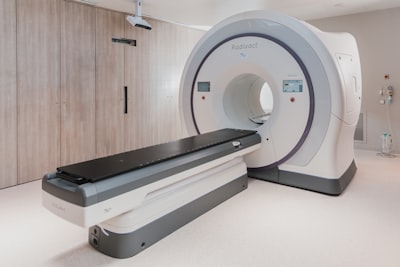
Accurate diagnosis of spinal pathologies is one of the greatest challenges in modern radiology. With millions of MRI scans performed each year, manual interpretation remains prone to interobserver variability and human error. In this context, PhenSPINE emerges as a standardized benchmark designed to drive the development of artificial intelligence systems capable of assisting specialists. This dataset, which includes over 16,800 images from 250 patients, not only provides a solid foundation for research but also raises fundamental questions about how to select optimal imaging sequences and how to integrate technology without compromising diagnostic quality.
From a technical perspective, PhenSPINE focuses on the most common MRI sequences, evaluating their individual diagnostic value versus multi-sequence fusion strategies. Results indicate that the sagittal T2-weighted sequence offers the best performance, achieving a Macro F1-score above 50%. This finding challenges the intuition that more data always leads to better predictions: fusing multiple sequences introduces noise from surrounding anatomical regions, which degrades performance. For companies developing computer-assisted diagnostic software, this lesson is crucial: it is not enough to accumulate data; systems must be designed to filter and prioritize relevant information.
The PhenSPINE benchmark not only serves as a reference for the scientific community but also offers a roadmap for integrating artificial intelligence into real clinical workflows. Custom software applications in this field require a deep understanding of both data and technical limitations. For example, a system based on custom software can be tailored to the specific needs of each hospital, incorporating deep learning algorithms trained on datasets like PhenSPINE. The key lies in customization: from selecting convolutional backbones to implementing positional encoding mechanisms that capture the anatomical context of intervertebral discs.
At Q2BSTUDIO, we understand that innovation in digital health cannot be separated from the underlying technological infrastructure. Therefore, we recommend combining AI models with robust cloud services, such as cloud AWS/Azure, which ensure scalability, secure storage, and distributed processing of large volumes of images. Additionally, cybersecurity is a non-negotiable pillar: patient data is extremely sensitive, and any breach can have legal and reputational consequences. Implementing cybersecurity strategies from the design phase is as important as algorithm accuracy.
Another fundamental aspect is the integration of business intelligence. Hospitals generate massive amounts of data that, when properly analyzed, can improve clinical and operational decision-making. Using BI/Power BI allows visualizing trends, monitoring model performance, and detecting anomalies in real time. For instance, a dashboard could display the number of AI-assisted diagnoses, accuracy rates, or referral patterns, helping managers optimize resources.
Process automation is another vector for improvement. Intelligent agents can handle repetitive tasks such as automatic vertebra segmentation, fracture detection, or preliminary report generation. At Q2BSTUDIO, we develop tailored AI agents that integrate with radiology information systems (RIS) and PACS, reducing radiologists' workload and speeding up response times. These agents learn from PhenSPINE data and continuously update with new samples, improving accuracy with each iteration.
The digital health market is experiencing exponential growth, and companies that invest in AI and structured data solutions will gain a significant competitive edge. PhenSPINE represents a step forward in standardizing benchmarks for spinal pathologies, but its true value materializes when integrated into robust and secure software platforms. At Q2BSTUDIO, we offer end-to-end consulting and development to transform complex datasets into useful clinical tools. From design to production deployment, our multidisciplinary team ensures each solution meets the highest standards of quality, privacy, and performance.
Beyond technical accuracy, it is important to consider the economic impact. Diagnostic errors in spinal pathologies can lead to unnecessary treatments, incorrect surgeries, or delayed care. A benchmark like PhenSPINE allows developers to validate their models before clinical implementation, reducing the risk of costly failures. Moreover, the combination of AI and cloud facilitates scalability: a small hospital can access the same capabilities as a large referral center, democratizing access to high-quality diagnostics.
Finally, collaboration between academia and industry is essential to advance in this field. PhenSPINE is an example of how open data can catalyze innovation, but leveraging it requires technology partners with expertise in integration, security, and scalability. At Q2BSTUDIO, we are committed to the digital transformation of the healthcare sector, offering services ranging from custom application development to cloud infrastructure deployment and cybersecurity solutions. If your organization seeks to implement an AI-assisted diagnostic system for spinal pathologies, having a standardized benchmark like PhenSPINE is the first step; the second is choosing the right technology partner.