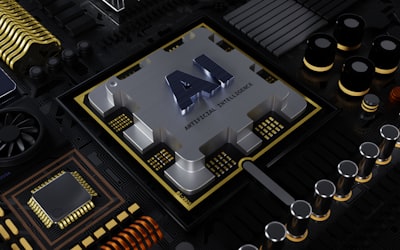
AMD has announced a new family of chips under the X100 designation, combining Zen 5 CPU cores with an integrated RDNA 3.5 GPU, specifically designed for the robotics sector. This platform targets high-performance embedded systems, autonomous vehicles, and industrial robotic arms where real-time processing and energy efficiency are critical. The Zen 5 architecture delivers significant IPC and thermal efficiency improvements, while RDNA 3.5 incorporates hardware acceleration for neural network inference, key in computer vision and autonomous control applications. AMD is betting on a unified memory model that reduces latency and simplifies robot system design, a differentiator compared to discrete CPU and GPU solutions.
The announcement of the X100 chips arrives at a time when demand for edge computing power is growing exponentially. Modern robots not only execute predefined trajectories but must make decisions in milliseconds based on LIDAR sensors, cameras, and environmental data. Here, the combination of a high-performance processor with a GPU capable of running artificial intelligence models in real time represents a qualitative leap. Furthermore, integration reduces power consumption, physical space, and hardware cost, facilitating the deployment of robot fleets in warehouses, factories, or even medical environments.
For companies developing robotic solutions, these chips represent an opportunity to create custom software applications that maximize hardware potential. Companies like Q2BSTUDIO have specialized for years in embedded and control software development for robotic systems, integrating artificial intelligence, cybersecurity, and cloud connectivity capabilities. The X100 architecture allows running AI models directly on the device, but also enables secure communication with AWS or Azure cloud services for historical data analysis, predictive maintenance, or training new models. This is where Q2BSTUDIO's vision as a technology partner becomes essential: they offer everything from cloud architecture consulting to implementing Power BI dashboards that monitor each robot's performance in real time.
Cybersecurity is another fundamental pillar. A robot connected to the cloud or other industrial devices can become an attack vector if not properly protected. The X100 chips include hardware-level security features such as secure boot and process isolation, but a comprehensive approach is needed. Q2BSTUDIO provides cybersecurity and pentesting services specific to embedded systems, ensuring that communications, firmware, and sensitive data are protected. Additionally, the use of AI agents to monitor network anomalies and robot behavior adds an extra layer of defense.
Another relevant aspect is integration with Business Intelligence platforms. Data generated by robots (cycle times, energy consumption, errors, etc.) can flow into Power BI dashboards for managers to make informed decisions. Q2BSTUDIO designs custom BI solutions that transform raw data into actionable information, connecting directly to X100 chip APIs or cloud services storing telemetry. This enables, for example, detecting wear patterns or planning preventive maintenance routes.
In the automation field, the X100s are not only powerful but designed to run predictive control algorithms and complex path planning without needing an external computer. Companies in logistics, precision agriculture, or electronic assembly can benefit from this reduction in latency and cost. Q2BSTUDIO, with its experience in process automation, helps companies evaluate whether these chips are suitable for their use case, developing the control software and necessary interfaces to integrate them into the existing ecosystem.
Finally, it is worth noting that AMD has confirmed that the X100 support the latest interconnection standards, such as PCIe 5.0 and USB4, facilitating connection with high-speed sensors and actuators. Compatibility with Linux and RTOS (real-time operating systems) is also a strong point, as most robotic environments use these platforms. With this hardware combination and support from partners like Q2BSTUDIO, companies can accelerate the time-to-market of their robotic solutions, reducing risks and maximizing performance.
In short, AMD X100 chips represent a milestone in CPU-GPU convergence for robotics, opening the door to applications that previously required more expensive and complex hardware. The key to success lies in leveraging their capabilities with specialized software development, and here companies like Q2BSTUDIO offer the necessary knowledge to transform technology into real business value.