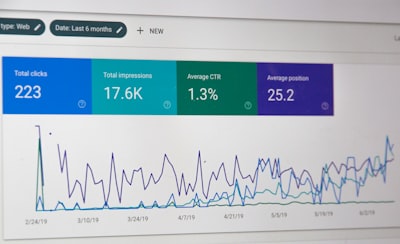
For years, the tacit deal between Google and websites worked like a well-oiled machine: Google crawled, indexed, and sent oceans of traffic in exchange for data and content. But that balance has broken. The term 'Google Zero' is no longer an alarmist theory; it is a reality reshaping the digital economy. More and more publishers, forums like Reddit, and media outlets are seeing the organic traffic tap run dry, and alternatives —blocking crawling or negotiating licensing deals— are not always feasible.
For businesses, this transformation is not just an SEO issue; it is a strategic wake-up call. Relying on a single visitor acquisition channel, no matter how powerful, has become unsustainable. The answer is not to fight the algorithm, but to build your own infrastructure: from digital platforms that attract audiences directly to business models based on first-party data and intelligent automation.
In this scenario, companies that have already invested in custom software have an edge. Proprietary software not only gives control over the user experience but also integrates AI capabilities to analyze behavior, personalize content, and most importantly, retain visitors without relying on intermediaries. Cybersecurity also becomes critical when managing direct traffic: the attack surface grows, and protecting data is essential to maintain trust.
But the shift is not limited to the front-end. Organizations migrating their infrastructure to the cloud —whether AWS or Azure— gain flexibility to scale without depending on third parties. Add a layer of business intelligence with BI and Power BI, and first-party data becomes a strategic asset for real-time decisions. Process automation through AI agents completes the cycle: autonomous workflows that drive efficiency and reduce reliance on external platforms.
At Q2BSTUDIO, we see 'Google Zero' not as a threat but as a catalyst. Companies investing in proprietary technology —custom software, cloud, cybersecurity, BI, AI agents— are laying the foundation for an independent digital ecosystem. The relationship with Google is no longer an exclusive pact, but just one piece of a multi-channel strategy. Ignoring this reality is taking an unnecessary risk. The question is not whether Google traffic will decline, but whether your business is ready when it does.