Microsoft has had to step in after controversy erupted over the automatic installation of a McAfee program via Windows Update on several LG monitor models. What started as user complaints on forums and social media ended with a direct response from Windows Executive Vice President Pavan Davuluri, who confirmed that the company contacted LG to disable the antivirus pop-up. However, the underlying issue goes far beyond a simple notification.
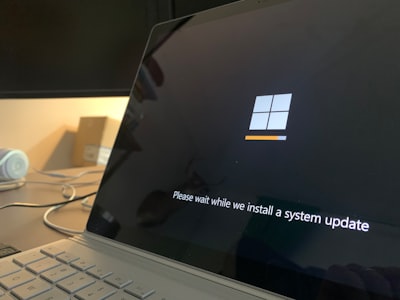
The situation came to light when owners of LG monitors, some of them high-end OLED gaming models costing over $1,000, noticed that upon connecting their display via HDMI or DisplayPort, Windows Update automatically downloaded and installed a package called 'LG Monitor App Installer.' This software, without prior warning or explicit user consent, included a free trial of McAfee that generated advertising pop-ups every time the computer was rebooted. The technical and business community has pointed out that this constitutes a clear case of adware—software that infiltrates the system without proper permission.
From a technical perspective, the mechanism is troubling. Windows Update is designed to transparently offer drivers and companion applications, making life easier for users. But the line between utility and abuse has blurred when manufacturers like LG use this channel to introduce programs that not only annoy but also request excessive permissions: access to all system resources, internet connection, collection of hardware data, geolocation, and user activity information. In a world where cybersecurity and privacy are critical, such practices breed distrust and open the door to potential vulnerabilities.
Microsoft's response, though swift, has been described by analysts as lukewarm. In a tweet directed at Epic Games CEO Tim Sweeney, Davuluri stated that LG agreed to disable the McAfee pop-up, but made no mention of completely removing the installer or reviewing the granted permissions. The software continues to download automatically; the only change is that the pop-up advertisement has been suppressed. For many experts in software development and technology, this is not enough. At Q2BSTUDIO, a company specializing in technological solutions, we know that transparency and user control are fundamental pillars of any custom software. A trust architecture must be built on a design that anticipates such abuses, not one that patches them afterward.
The LG-McAfee case is not an isolated incident. Microsoft has been integrating advertising into its own operating system for years, from start menu ads to recommendations in the news widget. The company generated $10 billion in advertising revenue in 2025, according to its own reports. This raises an uncomfortable question: where is the limit? When a hardware manufacturer introduces adware through an official update channel, a red line is crossed. And Microsoft's reaction, though necessary, appears contradictory when compared to its own built-in advertising strategy in Windows.
For companies developing corporate software, this episode reinforces the importance of having solid and secure platforms. Cloud AWS/Azure offer access control and monitoring mechanisms that can prevent such unwanted installations. Additionally, the use of AI can help detect anomalous behavior in software updates, identifying patterns that indicate the presence of adware before it affects the end user. Artificial intelligence applied to cybersecurity is a rapidly growing field, and solutions based on intelligent agents can prevent intrusions like the one involving LG.
From a business policy standpoint, the lack of transparency in the software supply chain is a risk that should not be underestimated. LG, as a manufacturer, should have clearly informed users about what software would be installed when connecting the monitor. Instead, it opted for a commercial agreement with McAfee that prioritizes advertising revenue over user experience. This kind of decision highlights the need for security audits and compliance in third-party integration processes. Companies offering cybersecurity and pentesting services can help identify these gaps before they turn into reputational crises.
Another relevant aspect is the role of Business Intelligence systems in monitoring such events. With tools like Power BI, it is possible to analyze large volumes of data generated by update systems, detecting anomalies such as spikes in unwanted software installations. BI/Power BI solutions allow companies to have real-time visibility into what is happening in their technological ecosystems, facilitating informed decision-making and rapid incident response.
Process automation also plays a key role. If update mechanisms were based on clear business rules and intelligent agents that verify the legitimacy of each component, episodes like the LG one could be avoided. At Q2BSTUDIO we develop automation solutions that integrate quality and security controls from the design phase, ensuring that the software reaching the end user meets the highest standards.
Beyond this specific case, the controversy has reopened the debate on Microsoft's advertising-based business model. The company has shown it can react when media pressure is high, as with the response to Tim Sweeney. However, ordinary users—those without millions of social media followers—remain exposed to intrusive practices that erode trust in the platform. The lingering question is whether Microsoft will be willing to set clear boundaries for its partners, or whether it will only act when the scandal becomes too big to ignore.
Ultimately, the LG-McAfee case is a wake-up call for the entire tech industry. Advertising should not be a hidden burden that sneaks into operating systems through legitimate channels. Transparency, informed consent, and security must be the pillars upon which relationships between manufacturers, developers, and users are built. In an environment where artificial intelligence and the cloud are advancing rapidly, trust is the most valuable asset. And once lost, restoring it costs much more than removing a simple pop-up.
For companies seeking responsible technology solutions, Q2BSTUDIO offers a comprehensive approach that combines custom software development, cloud integration, advanced cybersecurity, and business intelligence. Our team of experts works with technologies such as Azure, AWS, Power BI, and AI agents to create secure, efficient, and transparent digital ecosystems. Because technology should not be a minefield of advertisements, but a tool at the service of people and organizations.