
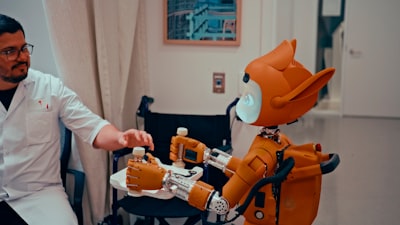
When I decided to share my medical records with ChatGPT, I admit my expectations were more uncertain than trusting. The idea that a language model would process such sensitive information sparked a mix of curiosity and distrust. However, after several interactions, the result was surprisingly useful and less invasive than I anticipated. It wasn’t about a miraculous diagnosis, but a tool that contextualized data I already had, reminding me of pending vaccines and helping me understand clinical terms my doctor had mentioned in passing. This experience led me to reflect on the true potential of artificial intelligence in environments where precision and privacy are critical.
From a technical perspective, what ChatGPT does with health data is not much different from what any custom software system could achieve if properly trained. The key lies in the granularity of control: the user decides what to share, for how long, and for what purpose. In my case, I could select from daily steps to clinical notes from my provider, and revoke access at any time. This level of transparency is the same that any company should demand when implementing AI solutions in regulated sectors like healthcare or finance. It’s not just about avoiding hallucinations, but ensuring the model operates within a solid ethical and legal framework.
The most interesting part was seeing how the AI could extract trends from a year of Apple Health data without human intervention. It identified improvements in my resting heart rate and heart rate variability, while pointing out insufficient sleep patterns. Nothing my doctor hadn’t said, but the interactive presentation and the ability to ask follow-up questions in natural language made the information accessible. For a software development company like Q2BSTUDIO, this use case exemplifies how AI can transform raw data into actionable knowledge, whether in healthcare, logistics, or customer service.
Of course, not everything is rosy. Privacy remains the Achilles’ heel. Although OpenAI assures that data is transmitted through secure channels, my health conversations remain in the history unless I manually delete them. This underscores the need to integrate cybersecurity measures from the design phase, not as an afterthought. At Q2BSTUDIO, we approach every project with a security-by-default mindset, using cloud AWS/Azure and end-to-end encryption to protect sensitive data. Because trusting the cloud should not be an act of faith, but an informed decision.
Another aspect that caught my attention was ChatGPT’s ability to act as a data aggregator. By connecting my Apple Health and medical history, the tool offered a unified view that previously required checking multiple apps and portals. This integration reminds me of what we achieve with BI/Power BI in business environments: unifying disparate sources to generate dashboards that reveal hidden patterns. In fact, the same logic applied to health data could be extrapolated to a system of AI agents that monitor chronic patients, alert about forgotten medications, or suggest lifestyle changes based on evidence.
However, there are also limits. ChatGPT does not replace a doctor; it has no license, assumes no liability. In my case, every recommendation came with a “consult your doctor” disclaimer. That disclaimer is not optional; it’s a regulatory barrier that any AI health solution must respect. For Q2BSTUDIO, developing software in critical sectors means understanding these regulations and designing systems that complement, not replace, human judgment. For example, an AI platform for assisted diagnosis must be able to explain its reasoning and allow specialist intervention at any point.
Returning to my personal experience, what I value most is that the technology helped me become a more informed patient. Understanding what a low lymphocyte count means or why LDL cholesterol needs attention allowed me to have a more productive conversation with my doctor. I didn’t feel the AI was replacing me, but rather giving me tools to make better decisions. And that, ultimately, is what any well-designed technology solution should offer: empowerment.
From a business perspective, the potential is enormous. Imagine an insurer using personalized AI agents to recommend wellness plans based on real physical activity data. Or a clinic automating post-operative follow-ups with chatbots that access medical records with explicit permission. All these are applications that require careful development, with scalable infrastructure on cloud AWS/Azure and strict access controls. At Q2BSTUDIO, we have helped companies across various sectors build these solutions from scratch, combining cybersecurity expertise with deep knowledge of local and international regulations.
My final recommendation is that if you decide to explore services like ChatGPT Health, do so with open eyes. Review the permissions, understand what data you share, and be clear that AI is an assistant, not an authority. For companies, the lesson is clear: AI adoption should not be an uncontrolled race, but a strategic process where transparency and security are the pillars. And if you need guidance on that path, at Q2BSTUDIO we are ready to design custom software that leverages technology to its fullest while protecting your users’ trust.

