
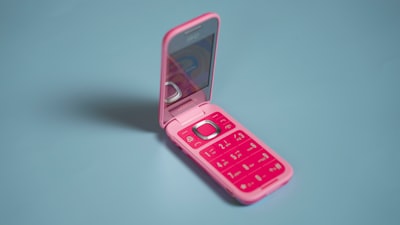
The mobile phone industry has once again looked to the past with nostalgia, but this time with cutting-edge technology. Light, the company founded by Kaiwei Tang —co-creator of the iconic Motorola Razr— has announced a new device that promises to revolutionize the foldable segment: a colorful, affordable, and functional phone. While giants like Samsung and Huawei compete for the premium foldable throne, Light bets on a different approach: democratizing the format, offering vibrant colors, and a price that brings it closer to the mass market. This move not only rekindles the spirit of the original Razr but also raises interesting questions about where the industry is heading.
To understand the impact of this launch, it is worth analyzing the context. Foldable phones have gone from being a technological rarity to a consolidated category, but adoption remains limited by high costs. Light's new terminal, known to be available in several eye-catching tones —such as neon yellow, coral pink, and electric blue— aims to break that barrier. According to sources close to the project, the price would be around $400-500, far below the $1,000+ usually demanded by the best-known models. This is made possible by intelligent engineering strategies, prioritizing modular components and reducing the complexity of the hinge mechanism without sacrificing durability.
Behind this technical feat are equally important software decisions. The operating system of the Light foldable will be optimized to make the most of the flexible screen, with adaptive transitions and multitasking modes reminiscent of what high-end foldables already offer, but with a more adjusted resource consumption. This is where the ecosystem of custom application development comes into play. It is no coincidence that Q2BSTUDIO, a software and technology development company with extensive experience in cross-platform solutions, is collaborating with Light to create the necessary tools so that third-party developers can easily adapt their apps to the foldable format. The key lies in offering custom software that responds to the peculiarities of the hardware, such as the screen flexibility or the possibility of using the device in tent mode for video calls.
But Light's bet is not limited to hardware and user experience. The company has also focused on artificial intelligence and the cloud to offer differentiating features. For instance, the integrated voice assistant will use generative AI models to help users compose messages, summarize news, or even generate personalized wallpapers in real time. All of this is supported by a robust cloud infrastructure. Light has opted for a hybrid architecture that combines AWS and Azure services, allowing it to scale on demand and keep costs low. Q2BSTUDIO, as a technology partner, has led the implementation of this hybrid cloud, ensuring that user data is protected with the latest cybersecurity techniques. In fact, the company recommends its clients cloud services on Azure and AWS for projects requiring high availability and security.
Security is another pillar of this launch. In a world where phones store more and more sensitive information, Light has decided to include a dedicated security chip and a machine learning-based intrusion detection system by default. In addition, security updates will be distributed directly from the cloud, without needing to go through carriers. To ensure the system's robustness, Light's team has worked with cybersecurity and pentesting specialists from Q2BSTUDIO, who have conducted thorough audits of the firmware and communication layers. The result is a device that, according to its creators, meets the most demanding data protection standards.
Another aspect that sets Light's phone apart is its focus on sustainability. The case is made from recycled plastics, and the battery is removable and user-replaceable, which is rare in current foldables. The company also offers a device recycling program, promoting a circular economy. In this regard, reverse logistics and data management require highly precise information systems. Q2BSTUDIO has developed for Light a Business Intelligence platform using Power BI that allows real-time monitoring of returned device flow, refurbishment rates, and environmental impact. This tool not only aids internal decision-making but also generates transparent reports for consumers. Implementing BI and Power BI solutions in production environments like this demonstrates how data analysis can drive operational efficiency and customer trust.
Light has also integrated AI agents that act as proactive assistants. For example, the phone can learn the user's routines and suggest automatic actions: silencing notifications during meetings, activating night mode at sunset, or reminding them to take medication. These agents run locally thanks to a dedicated NPU chip, avoiding constant reliance on the cloud and improving privacy. Customization of these agents is done through a visual programming interface designed by Q2BSTUDIO, allowing less technical users to create their own automations. In the business realm, creating AI agents for specific workflows is becoming a key trend, and Light has wanted to get ahead by offering this capability in a consumer device.
Light's marketing strategy is also worth noting. Instead of fighting for the premium market, the company targets young people and users who want a fun, customizable, and affordable phone. The vibrant colors and retro-modern design evoke the original Razr, but with current features: a 6.7-inch flexible AMOLED display, 4000 mAh battery, 33W fast charging, and a 48-megapixel main camera with optical stabilization. All of this in a format that fits in a pocket and, when closed, becomes a square just 8 cm on each side. The hinge, developed in collaboration with top-tier Chinese suppliers, has passed 200,000 opening cycles in internal testing.
From a user experience standpoint, Light has placed great emphasis on software. The interface, based on Android 14 with a light skin, includes touch gestures optimized for foldable screens and a split-screen mode reminiscent of larger foldable smartphones. In addition, the company has announced quarterly operating system updates for at least three years, a commitment uncommon in mid-range phones. Process automation in development and testing has been key to meeting these deadlines. Q2BSTUDIO has helped Light implement cloud-based CI/CD pipelines that allow rapid release of new versions without critical errors. This software process automation not only saves time but also ensures consistent quality.
The arrival of this colorful and cheap foldable phone on the market could be the catalyst the category needs to take off definitively. If Light achieves its goal, we will see more manufacturers follow its lead, offering affordable devices without sacrificing innovation. The combination of AI, cloud, cybersecurity, and intelligent design not only makes the phone attractive but also demonstrates how strategic alliances with technology companies like Q2BSTUDIO can make a difference. The next time you see a foldable on the street, it might not be a Galaxy Z Fold or a Mate X, but a colorful, accessible, and above all functional Light.
