
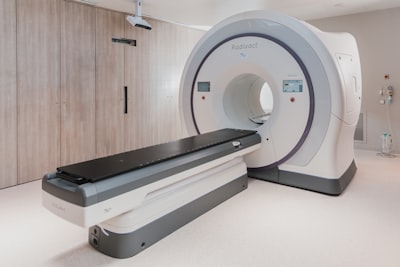
Perineural invasion (PNI) is a key prognostic factor in oncology, indicating higher tumor aggressiveness and influencing surgical decisions. However, its early detection via magnetic resonance imaging (MRI) remains challenging due to the subtlety of perineural signs, which are often confused with adjacent anatomical structures. In this context, conventional deep learning architectures—both convolutional and transformer-based—tend to lose fine details when applying downsampling or global feature aggregation. To address this limitation, LoSA-Net emerges: a localized and scale-adaptive network designed specifically for PNI prediction in 3D MRI. Its innovation rests on three main components: Talking Neighborhood Attention (TNA), which preserves nerve-aligned detail through localized self-attention with head-wise mixing; Scale-Adaptive Feature Mixing (SAFM), which modulates the receptive field via multi-scale depthwise processing; and Cross-Scale Refinement and Alignment (CSRA), which maintains consistency between semantic context and high-resolution boundaries. In a study of 168 cholangiocarcinoma patients, LoSA-Net achieved an AUC of 0.7567, outperforming representative baselines under matched preprocessing and optimization conditions.
From a technical perspective, LoSA-Net exemplifies how artificial intelligence can tackle complex biomedical problems where spatial precision is critical. The network's ability to focus on specific regions without losing global context makes it a promising tool not only for PNI but also for other applications where anatomical boundaries are difficult to segment. However, implementing such models in real clinical settings requires robust infrastructure and adaptation to existing workflows. This is where companies like Q2BSTUDIO play a fundamental role. With their expertise in developing custom software, they can transform research prototypes into operational solutions integrated with PACS and electronic health records. Tailored software is essential for AI algorithms to fit each hospital's specifics, such as image acquisition protocols, data formats, and privacy requirements.
In addition, cloud computing (AWS or Azure) provides the scalability needed to process large volumes of MRI studies without overloading local resources. Q2BSTUDIO offers cloud services that enable deploying models like LoSA-Net in secure environments, with load balancing and optimized storage. Cybersecurity is another unavoidable pillar: patient data is protected by regulations such as HIPAA or GDPR, and any medical AI solution must incorporate encryption, access controls, and continuous audits. The cybersecurity solutions provided by the company ensure that sensitive information is not exposed during model training or inference.
Results analysis also benefits from Business Intelligence (BI) tools. With Power BI, radiologists and oncologists can visualize model performance metrics, correlate predictions with clinical data, and generate automated reports. Q2BSTUDIO integrates custom BI dashboards that facilitate real-time monitoring and data-driven decision-making. Furthermore, AI agents (intelligent agents) can automate repetitive tasks such as pre-segmentation of images, anomaly detection, or alert scheduling. These agents, trained with reinforcement learning techniques, could collaborate with LoSA-Net to prioritize suspicious PNI cases and reduce the workload of clinical staff.
Looking ahead, combining advanced architectures like LoSA-Net with modular software platforms will democratize access to precise diagnostics in resource-limited regions. Investment in custom applications, cloud infrastructure, cybersecurity, BI, and AI agents not only improves efficiency but also paves the way for personalized medicine where each patient receives treatment based on molecular and imaging profiles. Q2BSTUDIO is positioned to accompany this transformation, offering comprehensive solutions from technical consulting to deployment and ongoing maintenance. In short, LoSA-Net represents a significant advance in non-invasive detection of perineural invasion, but its true potential is unlocked when integrated into a complete technological ecosystem, tailored to specific needs and governed by quality and security standards.


