The Razer Soma Chroma gaming chair arrives on the market with a proposition as striking as it is contradictory: a dazzling RGB lighting display, but an adjustability that falls short for its price range. This technical analysis breaks down what this seat really offers, beyond the superficial glow, and how it fits into the current ecosystem of smart peripherals.
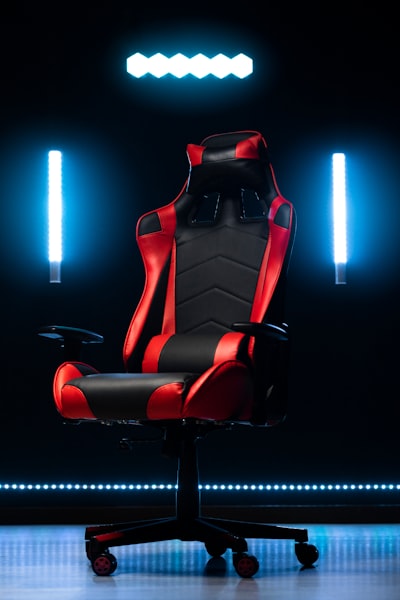
Let us start with the most obvious: the chassis. The Razer Soma Chroma uses a steel frame with medium-density memory foam. At rest, the feeling is firm yet cozy, ideal for multi-hour gaming sessions. However, the lumbar support is static — not adjustable in depth or height — which limits customization for users with different back shapes. The armrests, though padded, only move in 2D (up-down and lateral rotation), leaving out the front-back adjustment offered by competitors like the Secretlab Titan Evo.
Where the Soma Chroma truly stands out is in its lighting. Razer has integrated 16 addressable LED zones in the backrest and seat cushion, controllable via Synapse software. Effects range from color waves to real-time reactions with compatible games. But here lies a paradox: to enjoy that lighting customization you need a time investment in configuration that contrasts with the lack of physical ergonomic adjustment. It is like having a car with adaptive headlights but no power seat.
From a business and technical perspective, this chair represents an interesting case study on design priorities. Many companies looking to equip offices or home offices with gaming furniture often fall for style over functionality. Yet in environments where productivity and postural health are critical — such as software developers, data analysts, or cybersecurity teams — the lack of fine adjustment can translate into chronic discomfort and reduced performance.
This is where the value of technology applied to the workspace comes in. At Q2BSTUDIO, as a software and technology development company, we know that ergonomics does not depend solely on hardware. A true workplace optimization combines suitable furniture with intelligent digital tools. For example, through custom software that monitors user posture using the camera or sensors, and sends personalized alerts to remind them to change position. In fact, many of our clients have integrated AI systems to analyze movement patterns and recommend active breaks, reducing musculoskeletal injuries by up to 30%.
Additionally, the cloud plays a fundamental role. With cloud solutions on AWS/Azure, it is possible to centralize ergonomics data from all employees, generate dashboards in Power BI showing trends by department, and trigger automatic actions, such as adjusting the height of a smart desk or sending notifications to a mobile phone. This ecosystem of custom software turns a simple seat into an active node of the corporate infrastructure.
Returning to the Razer Soma Chroma, we must acknowledge its solid build and premium finish with breathable fabric that prevents sweat buildup. The aluminum base and 60mm polyurethane wheels roll smoothly on any surface. However, the reclining mechanism only allows a fixed rocking angle, with no ability to lock the position or adjust the backrest tension — something the direct competition like the Corsair T3 Rush does offer.
In terms of cybersecurity, although it may seem tangential, the Razer Synapse software is a portal that communicates with the manufacturer's cloud and stores user profiles. For corporate environments, this can be a risk point if permissions and external connections are not audited. At Q2BSTUDIO we always recommend reviewing the data policy of any smart peripheral, and we offer cybersecurity services to assess and mitigate those attack vectors, especially when integrated with access control systems or industrial IoT.
The RGB lighting, on the other hand, has a real impact on immersion, but also on power consumption. With all LED zones at maximum brightness, the chair can consume up to 5W extra through the USB port. For a home user it is irrelevant; for a server room or operations center with 50 chairs, that is 250W of extra heat that the climate control system must dissipate. Once again, AI can optimize such variables, dynamically adjusting lighting based on the time of day or user activity.
In conclusion, the Razer Soma Chroma is a chair that shines in aesthetics and integration with Razer's RGB ecosystem, but disappoints in ergonomic adjustability for a price around 400-500 euros. It is ideal for gamers who prioritize visual spectacle and do not require frequent posture changes. For professional environments where health and productivity are paramount, we recommend exploring more adjustable options or, better yet, complementing any chair with intelligent software solutions. At Q2BSTUDIO we help companies design that complete ecosystem: from hardware selection to custom software development, deployment of AI agents, and cloud management, all with a focus on efficiency and security.