
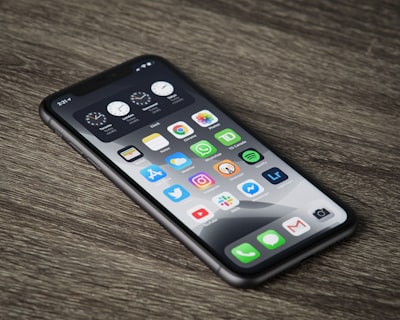
If you are an iPhone user, you have probably experienced strange behaviors in the operating system that seem to have no explanation. One of the most puzzling that has emerged in recent months affects the screen brightness control. The problem appears intermittently: when moving the brightness slider from Control Center, the response is noticeably slow, almost as if each lighting level advances jerkily. Moreover, even when the indicator shows the minimum, the screen remains brighter than expected, especially annoying in dark environments. The curious thing is that this bug does not seem to have an obvious cause or a clear pattern, leading many to think of a possible hardware defect. However, the solution discovered by the community is as simple as it is unexpected: pressing the Dictation button on the iPhone keyboard. Yes, you read that correctly. Activating the dictation function, even if you do not intend to use it, immediately restores normal brightness behavior, making adjustments instantaneous and the minimum truly dark.
This trick, although effective, raises interesting questions about the architecture of iOS software. Why could a seemingly unrelated component like dictation influence brightness control? One plausible hypothesis points to a conflict in system resource management: some background task or accessibility process might be interfering with the display subsystem. By invoking the microphone, the operating system frees or reallocates those resources, restoring the normal brightness adjustment flow. From a technical perspective, this type of error underscores the complexity of modern operating systems, where dozens of processes compete for shared resources. At Q2BSTUDIO, as a software and technology development company, we understand that the quality of the final product depends on a thorough testing and debugging phase. Cases like this demonstrate that even tech giants like Apple can overlook subtle bugs that affect the user experience.
For development professionals, this incident is a reminder of the importance of testing extreme scenarios and combinations of seemingly unrelated features. At Q2BSTUDIO, our team applies agile methodologies and automated testing to minimize such surprises. Furthermore, we offer AI services that can help identify error patterns through predictive analysis, something that could be applied to operating system maintenance. The dictation solution, as strange as it seems, teaches us that sometimes the answer lies in activating a component that shifts the internal system state. In the business realm, when we develop custom software for our clients, we always consider these hidden interdependencies to ensure the software works cohesively, whether in cloud environments with AWS or Azure, or in cybersecurity and Business Intelligence solutions with Power BI.
The brightness bug is not an isolated case. Apple has not yet released an official patch, and users running iOS 26.5.2 or earlier versions may encounter it at any time. In the meantime, the dictation trick remains the only reliable fix. If you work with AI agents or automation systems, you know that intermittent failures are the hardest to diagnose. At Q2BSTUDIO, we help companies implement scalable and secure cloud solutions, integrating tools like Power BI for data visualization, and developing intelligent agents that improve operational efficiency. The lesson here is that no system is perfect, but with a meticulous approach to quality assurance, we can minimize incidents. So, if your iPhone suffers from this strange brightness bug, do not hesitate to try the trick: press the dictation button and watch the screen return to normal behavior. And if you need to develop robust and reliable software, remember that at Q2BSTUDIO we are ready to face any technical challenge.


