
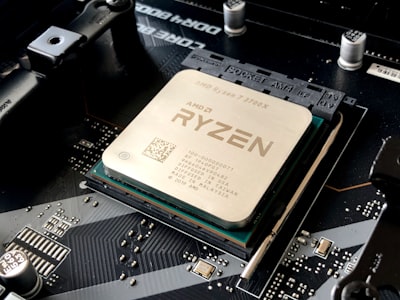
DDR5 RAM is here to stay, but not all kits offer the same balance between price and performance. AMD introduced its EXPO (Extended Profiles for Overclocking) technology to simplify memory optimization on Ryzen platforms. However, some profiles like the so-called 'ULL' (Ultra Low Latency) in DDR5-6000 CL36 kits raise doubts about their true utility. In this article we analyze why this type of memory may not be the best investment, especially when compared to more balanced alternatives or professional optimization services.
DDR5-6000 CL36 kits typically have latencies of 36-36-36-76, placing them in an intermediate spot within the DDR5 ecosystem. While 6000 MHz is popular for Ryzen 7000 and 9000 series processors, CL36 latencies are significantly higher than those of CL30 or CL32 kits often found at similar or lower prices. This particularly affects latency-sensitive applications such as first-person shooters or algorithmic trading systems, where every nanosecond counts.
In real-world performance tests, the difference between a DDR5-6000 CL36 kit and a CL30 kit is usually just 1-2% in FPS in titles like Cyberpunk 2077 or Far Cry 6. In productive workloads like code compilation, 3D rendering, or scientific simulations, the gap remains minimal. This contrasts with the premium these modules often carry, which can be 20-30% higher than kits with better timings. The 'ULL' label seems more like a marketing gimmick than a tangible improvement for the end user.
From a business perspective, the decision to invest in high-performance memory must be based on objective data. Companies relying on data centers or high-performance workstations need to evaluate whether that extra percentage of performance justifies the additional cost. This is where Q2BSTUDIO offers differential value: its engineering team develops custom software applications that integrate artificial intelligence to dynamically monitor and adjust memory profiles based on workload. Additionally, through AI and cloud analytics solutions, it is possible to predict memory behavior and optimize configuration without resorting to aggressive overclocking.
Another alternative is to opt for kits with tighter latencies, such as DDR5-6000 CL30 or even DDR5-6400 CL32, which offer better performance per euro. For enthusiasts, manual customization via EXPO profiles or tools like Ryzen Master can be more effective than paying a premium for labels that don't always translate into real gains. Even by combining a standard kit with Q2BSTUDIO's cybersecurity and cloud services, an optimized ecosystem can be achieved without extra costs.
Cybersecurity also plays an important role: when manipulating memory parameters, it is crucial to ensure data integrity and system stability. Q2BSTUDIO offers cybersecurity services that protect custom configurations against attacks and failures. Likewise, using Business Intelligence (Power BI) enables real-time visualization of performance metrics, helping make informed decisions about infrastructure.
In the automation field, Q2BSTUDIO's AI agents can automatically adjust memory parameters based on demand, improving efficiency without manual intervention. This is especially useful in cloud environments with AWS or Azure, where resource elasticity is key. The combination of custom software and cloud services allows scaling performance without incurring excessive hardware costs.
In conclusion, the DDR5-6000 CL36 kit with AMD EXPO ULL profile offers modest performance that rarely justifies its high price. For most users and businesses, it is more cost-effective to invest in kits with better latencies or in professional services that maximize the potential of existing hardware. Q2BSTUDIO, with its focus on custom applications, AI, cloud, and cybersecurity, provides the necessary tools to optimize any memory system without falling for marketing overpricing. Before buying, evaluate your actual needs and consider a comprehensive solution that combines efficient hardware with intelligent software.

