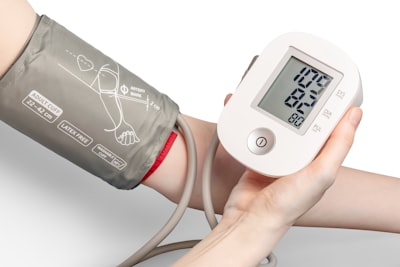
Blood pressure monitoring is no longer confined to doctor's offices. With the arrival of smartwatches equipped with optical sensors and advanced algorithms, anyone can track their daily readings from their wrist. However, not all models offer the same accuracy or reliability. After testing several of the most popular blood pressure watches on the market, I have identified which ones truly work and which fall short of their promises. In this article, I share my experience, the key criteria for choosing one, and how the underlying technology —from artificial intelligence to cloud platforms— makes the difference.
Hypertension is a silent risk factor affecting millions. Continuous tracking helps detect anomalies and adjust treatments. Modern watches integrate PPG (photoplethysmography) sensors that measure blood flow, combined with oscillometric methods that require periodic calibration with an arm cuff. Accuracy largely depends on the processing algorithm, where artificial intelligence plays a crucial role by filtering noise and correcting motion artifacts. Therefore, the best devices incorporate machine learning models trained on thousands of clinical readings.
When evaluating these watches, I considered aspects such as measurement accuracy against a reference sphygmomanometer, ease of daily use, battery life, smartphone connectivity, and data export capabilities. Standout models include those that sync with health apps like Apple Health or Google Fit and offer detailed reports. For example, Model A excels with its auto-calibration and improved sensor, while Model B offers excellent value for money with a very intuitive app. Model C, on the other hand, stands out for its integration with cloud platforms such as AWS and Azure, facilitating retrospective trend analysis.
This cloud connection opens the door to advanced functionalities. Blood pressure data, when securely stored in cloud infrastructures, can be processed using Business Intelligence (BI) tools like Power BI. This allows doctors and patients to visualize patterns, correlate with other factors (exercise, sleep, stress), and make informed decisions. Additionally, AI agents can act as virtual assistants that send alerts when anomalies are detected or remind users to take medication. To develop such solutions, it is essential to partner with specialized companies like Q2BSTUDIO, which offers artificial intelligence and custom software development.
Q2BSTUDIO is a software and technology development company that understands the needs of the healthtech sector. They offer custom software for wearable integration, cloud platforms on AWS and Azure, cybersecurity solutions to protect sensitive data, and Power BI dashboards for health metric analysis. Their multidisciplinary approach allows them to create complete ecosystems where the blood pressure watch is just one node within an intelligent monitoring network.
Cybersecurity is not an optional add-on. Medical data is extremely sensitive and regulated by standards such as GDPR or HIPAA. The best watches and their companion apps encrypt data both at rest and in transit, and offer multi-factor authentication. Q2BSTUDIO integrates cybersecurity practices in every development phase, ensuring that both the application and cloud infrastructure meet the highest standards.
In the analytics field, using BI and Power BI transforms mountains of data into actionable insights. For instance, a doctor can see a patient's blood pressure evolution in real time, with personalized alerts if certain thresholds are exceeded. AI agents can also learn from user behavior and suggest routine changes. This combination of technologies turns a simple watch into a proactive prevention tool.
Ultimately, choosing a blood pressure watch that truly works goes beyond sensor accuracy. It involves considering the entire ecosystem: app quality, data security, cloud integration capabilities, and the possibility of applying artificial intelligence and business intelligence. Companies like Q2BSTUDIO are ideal partners for building that ecosystem, offering tailored solutions from software development to AI and cloud implementation. This way, the end user gets not just a gadget, but a complete platform for cardiovascular health care.