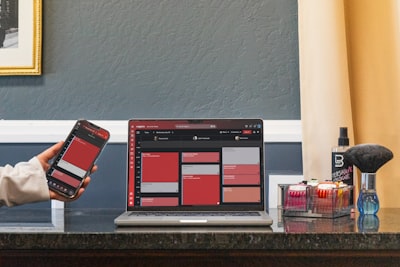
The impact of an intranet with chat on collaboration in distributed teams goes far beyond instant messaging. When an organization stops relying on physical presence, it needs a digital space that brings conversations, documents, decisions, and processes together in a single operational view. The traditional intranet was a showcase for internal communications; the intranet with chat is a working environment where people interact, solve problems, and generate usable knowledge.
The main challenge of distributed teams is context fragmentation. Decisions are made in video calls, agreements get lost in email inboxes, and operational information is scattered across local files, project management tools, and informal chats. Each team member sees part of the board, but nobody has the full picture. An intranet with chat solves this asymmetry by turning conversation into a documented object: each message, thread, and shared file is linked to a project, a customer, or a desired outcome.
The difference from a simple corporate chat lies in structure. Generic messaging applications organize communication in ephemeral channels, while an intranet with chat introduces data models: conversations attached to deliverables, owners assigned to tasks, notifications tied to statuses, and dashboards that show work progress. This structure turns conversation into a form of execution, not just a way to exchange messages.
To achieve that level of fit, many companies reject standard products and choose custom software that replicates exactly how each team works. A custom platform can model roles, approval flows, and business rules that no generic solution considers. It also simplifies integration with internal systems such as ERP, CRM, or billing tools, avoiding duplicated data and reducing administrative workload.
The component that amplifies the value of an intranet with chat is artificial intelligence. It is not only about searching documents with keywords; it is about the system understanding the context of conversations and offering relevant answers, summaries, and actions. An assistant integrated into the chat can explain a corporate policy, find a process owner, or prepare a project status without the user needing to navigate between applications.
AI agents raise the level of automation even further. These programs can act inside the intranet under predefined rules: when a customer reports an incident, an agent creates a case, assigns it to the right team, and sends a notification to the owner. If the team needs approval, the agent requests it and records the response. Collaboration therefore does not depend on someone remembering every step of the process; it relies on a system that ensures continuity of work.
The infrastructure of a distributed intranet also defines performance. Hosting it in the cloud, whether on AWS or Azure, allows employees to access it from anywhere with a consistent experience. The cloud provides scalability for usage peaks, geographic redundancy, and disaster recovery capabilities. It also simplifies the integration of cognitive services, managed databases, and monitoring tools that enrich the platform without increasing the maintenance burden on the internal team.
Cybersecurity is inseparable from digital collaboration. An intranet centralizes sensitive information: strategic plans, customer data, confidential conversations, and access credentials. Therefore, its design must include role-based access control, encryption of data in transit and at rest, multi-factor authentication, and event auditing. It is also advisable to run periodic penetration tests and review cloud configuration to avoid accidental exposure. A distributed team multiplies the attack surface, but a well-segmented architecture minimizes that risk.
Measurement is another pillar. An intranet with chat generates a large amount of activity data that, when exploited with business intelligence tools, becomes decisions. With a Power BI dashboard, for example, executive leadership can see which teams collaborate more, where bottlenecks accumulate, how long it takes to resolve each type of request, or which areas need more support. These indicators help align technology with business objectives and correct organizational drift before it becomes a problem.
Process automation completes the cycle. Many of the tasks that consume time in distributed teams are repetitive: welcoming a new colleague, collecting information for a report, updating a task status, or consolidating feedback. An intranet with chat can automate these actions through event-driven flows. This allows the team to spend more time on judgment work and less on internal administration.
Implementing an intranet with chat is not a purely technological project. The human factor determines success or failure. A governance model is needed to define who administers the space, what usage rules apply, how conflicts are resolved, and how the quality of published information is measured. Leadership must be involved in using the platform, because teams replicate what they see in their leaders. If leadership does not use the intranet to communicate decisions, teams will hardly adopt it as a main channel.
Training is also key. Handing out a manual is not enough; employees need to learn in the context of their work. A good rollout plan includes short sessions per department, real use cases, and a support channel that resolves doubts during the first weeks. It is also useful to appoint internal ambassadors who help colleagues integrate the new tool into their daily routine.
From a technical point of view, implementation should start with a diagnosis of current workflows. You need to identify where information is lost, which processes depend on specific people, and what data is required to operate. This discovery phase makes it possible to prioritize features and avoid the mistake of building a complex platform that no one needs. An effective project usually starts with a limited use case, for example, coordinating a sales team or managing internal requests, and then expands to other units.
Integration with existing systems is an inevitable requirement in any company. The intranet should not be an island, but a meeting point connected to the ERP, the CRM, the user directory, and productivity tools. Data must flow in both directions so that a decision made in the chat is reflected in the official system and vice versa. This integration reduces manual work and ensures that information is always up to date.
Organizations that want this level of customization usually turn to a technology partner with experience in enterprise software development. Q2BSTUDIO is a company that approaches this kind of project by combining custom engineering, artificial intelligence, automation, and cloud. Its proposal focuses on understanding the business first and then designing a solution that fits the company culture. It also delivers web portals that allow users themselves to manage AI settings, define prompts, and monitor costs, reducing dependence on the engineering team in day-to-day operations.
In short, an intranet with chat impacts collaboration in distributed teams because it aligns communication, information, and execution. The benefit is not only the speed of conversations, but the ability to build an organizational memory that can be consulted, analyzed, and reused. To achieve this, it is necessary to combine a solid architecture, a deliberate integration with the technology ecosystem, and a well-managed adoption process.
Companies that understand this vision are taking a strategic step. It is not about imitating other organizations, but about building a work system that takes advantage of the geographic diversity of their teams. An intranet with chat, when well designed, turns distance into a competitive advantage: decisions are recorded, knowledge flows without barriers, and each person has the context needed to create value from wherever they are.